




The 'Why' Behind the Bite
So, what’s driving this shift? It’s a perfect storm of post-pandemic priorities and the evolution of the “experience economy.” We’re all a little tired. The idea of planning a massive, multi-stop vacation can feel like a second job. A short food trip,
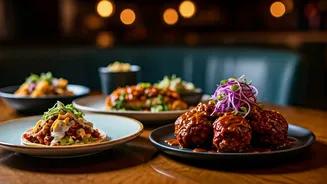
by contrast, is refreshingly simple. It offers a tangible goal: to eat a legendary barbecue plate in Austin, track down the perfect lobster roll in Maine, or spend a day hopping between taquerias in a specific Los Angeles neighborhood. This isn't about escaping your life; it's about enhancing it with a single, perfect, delicious memory. It prioritizes quality of experience over quantity of days off, offering a powerful sense of accomplishment and pleasure that you can plan on a Wednesday and enjoy by Friday.
It’s a Destination, Not Just Dinner
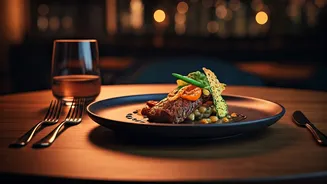
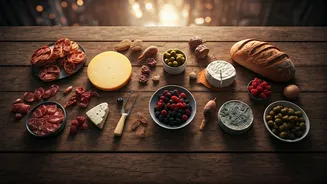
The key to this trend is reframing what makes a place a “destination.” It’s no longer about ticking off monuments or museums. Instead, the destination is a specific culinary experience. The trip’s entire purpose might revolve around a single reservation at a sought-after restaurant, a pilgrimage to a century-old bakery, or exploring a city’s vibrant farmers' market. This makes travel planning both easier and more exciting. Your entire itinerary can be built around that one anchor. Where will you have coffee before the market opens? What bar is near the restaurant for a pre-dinner drink? Suddenly, a two-day trip to a city you’ve never considered becomes a compelling adventure because it’s centered on a singular, mouth-watering goal.
The Art of the Micro-Itinerary
The beauty of the food trip is its focused nature, which liberates you from the tyranny of the overstuffed itinerary. You don't need to “see it all.” In fact, the trip is more successful if you don't even try. The goal is to do one thing exceptionally well. This “less is more” approach reduces travel fatigue and decision-making stress. Instead of a frantic checklist, you have a relaxed mission. This allows for spontaneity around the edges. You might discover a tiny coffee shop or a charming park on your way to the main event. Because you haven't packed every minute of your schedule, you have the freedom to enjoy these small, unexpected discoveries, which often become the most cherished parts of the trip. A micro-itinerary returns you home feeling refreshed, not exhausted.
Think Beyond the Obvious Hubs
While New York, Chicago, and San Francisco will always be culinary titans, this trend thrives on discovering flavor in unexpected places. Think about destination archetypes. Consider a trip to a “Single-Cuisine Capital” like Kansas City or Memphis for barbecue, or Buffalo for its iconic wings and beef on weck. Explore a “Farm-to-Table Haven” like Asheville, North Carolina, or the Hudson Valley, where the restaurants are intimately connected to the surrounding agriculture. Or dive into an “Urban Food Hall Mecca” in cities like Denver or Minneapolis, where you can sample dozens of local flavors under one roof. These smaller, more accessible cities often provide a more intimate and affordable experience, making them perfect for a quick, high-impact weekend getaway.
Making It a True Weekend Upgrade
Ultimately, this isn't just another way to travel; it's a fundamental upgrade to the concept of the weekend. A standard weekend can fly by in a blur of errands and chores. A traditional vacation can be expensive and exhausting. The short food trip hits the sweet spot. It’s an investment in your own joy that pays immediate dividends. You’re not just passing time; you’re actively creating a core memory. You’re connecting with a place through its most authentic expression: its food. And when you return to work on Monday, you’re not just rested—you’re enriched, with a great story to tell and the lingering taste of a weekend well spent.