



The Scotland of India
For most Americans, the name Coorg likely draws a blank. But for those in the know, it conjures an image of mist-shrouded hills, impossibly green landscapes, and a quiet retreat from the world. Officially known as Kodagu, this small, affluent district
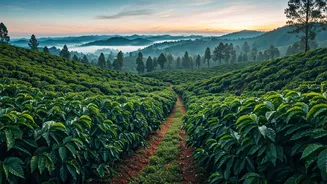
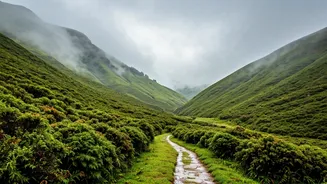
in the southern Indian state of Karnataka has earned the nickname “the Scotland of India.” While it lacks the glens and lochs, it shares a certain wild, romantic topography—a rumpled blanket of rolling hills, dense forests, and a climate that favors cool, damp weather over searing heat. Unlike the rugged highlands of Scotland, however, these hills aren't covered in heather. They’re blanketed in one of the world's most beloved crops.
An Ocean of Coffee
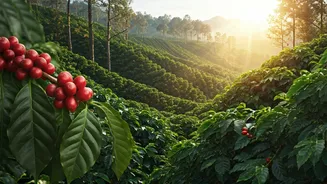
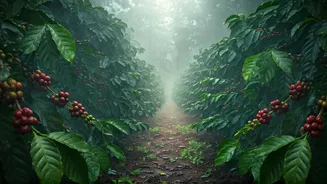
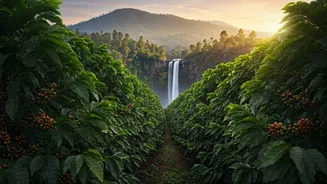
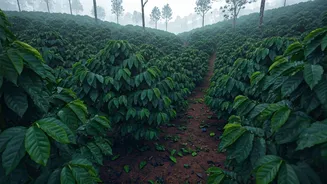
Coorg is the coffee capital of India, producing a significant portion of the country's beans, primarily the robust Robusta variety, with some pockets of milder Arabica. The story of coffee here is the story of the landscape itself. Drive along any winding road, and you'll find yourself enclosed by vast plantations where coffee bushes grow in the shade of taller silver oaks and rosewood trees. The air is thick with the scent of spice; pepper vines snake their way up the trunks of these shade trees, growing symbiotically with the coffee. Depending on the season, the smell changes. In early spring, the plantations are covered in fragrant, snow-white coffee blossoms, their jasmine-like scent intoxicating. Later in the year, the smell shifts to the earthy, cherry-like aroma of ripe coffee berries. And year-round, you'll catch the rich, comforting scent of beans being roasted in small batches at local homes and shops, a constant reminder of the region's lifeblood.
The Rhythm of the Monsoon
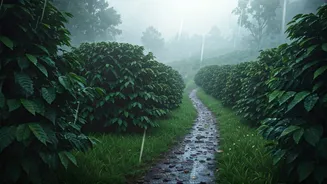
The second element of Coorg’s olfactory signature is rain. The region is defined by the monsoon, which sweeps in from the Arabian Sea from roughly June to September. This isn't just a passing shower; it's a season-long event that transforms the district into a world of vibrant green. The rain is a percussive force, drumming on tiled roofs and broad banana leaves. It feeds the waterfalls that cascade down the hillsides, like the majestic Abbey Falls and Iruppu Falls. And it produces one of the most sublime smells on earth: petrichor, the scent of rain hitting dry soil. In Coorg, this smell is amplified by the damp leaves of the forest floor and the wet bark of a million trees. It’s a clean, earthy scent that washes away the dust and seems to reset the world, making the greens greener and the air crisper.
Beyond the Plantations
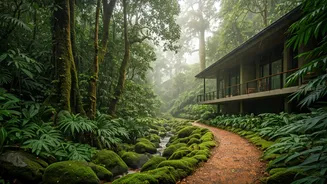
This sensory overload is precisely why Coorg has become synonymous with “holiday plans.” It's a place to unplug and tune into nature. Visitors can stay in luxurious resorts or cozy homestays nestled within the coffee estates themselves, waking up to the sound of birds and the smell of fresh-brewed coffee from the backyard. The days are for gentle exploration: trekking through forests to discover hidden streams, taking a guided tour of a coffee and spice plantation to learn about the process from bean to cup, or simply finding a quiet viewpoint to watch the mist roll through the valleys. The local Kodava culture adds another layer of richness. This indigenous community is known for its martial history, unique customs, and a fantastic, pork-centric cuisine. Trying the local delicacy, Pandi Curry (a spicy, sour pork dish), is as essential to the Coorg experience as walking through a coffee field.