





Redefine the Goal Before You Go
The greatest mistake we make with wellness travel is treating it as a pure escape. A successful trip—one with staying power—isn't about fleeing your life; it's about gathering tools to improve it. Before you even book a flight, shift your mindset from
'I need a break' to 'What do I want to bring back?' Instead of a vague desire to 'de-stress,' get specific. Do you want to learn to cook three healthy meals? Establish a 10-minute morning meditation practice? Or simply prove to yourself you can sleep eight hours without a sleeping aid? Choose one or two tangible, achievable goals. This focus transforms the trip from a passive experience into an active training ground for the life you want to live when you return.
Design Your Trip for Integration
Once you have a goal, plan your itinerary around it. If your aim is to improve sleep, don’t book a retreat with 6 a.m. bootcamps. Opt for a place known for its quiet environment and evening yoga nidra sessions. If you want to bring home healthier eating habits, look for trips that include hands-on, simple cooking classes, not just gourmet meals prepared by a chef. The key is to practice the desired habit in a context that can be partially replicated at home. A week of silent meditation on a remote mountaintop is profound, but learning a 15-minute walking meditation you can do in a city park is infinitely more transferable. Ask yourself: 'Can I do a version of this on a Tuesday morning in my own zip code?' If the answer is no, the habit likely won't survive the flight home.
Practice a 'Soft Re-entry'
The most critical phase for preserving your wellness gains is the first 72 hours back home. We often sabotage ourselves by scheduling a brutal return—landing late Sunday night and diving into a packed Monday morning. This shock to the system sends your nervous system haywire and makes falling back into old, stressed patterns almost inevitable. Instead, build a buffer. Try to get home on a Saturday, giving you a full day to unpack, grocery shop, and ease back into your space. Don't open your work email until Monday morning. Before you left, you should have blocked the first hour of your return workday on your calendar for 're-entry planning,' not meetings. Use this time to gently review emails and priorities, rather than being hit with a tidal wave of demands. This intentional, slow transition protects the calm you've cultivated.
Anchor New Habits Immediately
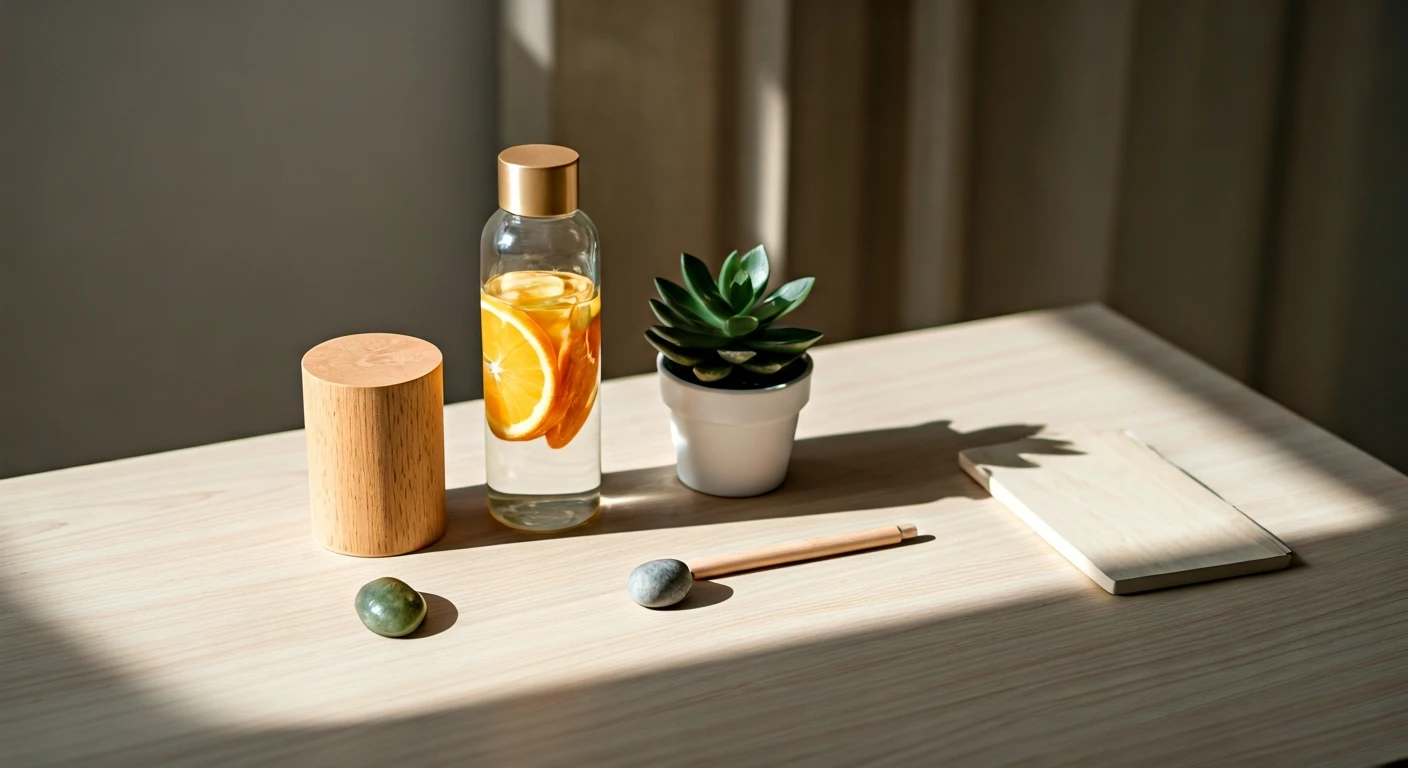
On your first full day back, immediately implement the one or two habits you targeted. Don't wait until you 'get settled.' If you planned to start a journaling practice, do it that first morning, even if it’s just for five minutes. If you learned a simple new recipe, make it for dinner that first night. The brain forms habits through repetition and context. By acting quickly, you are telling your mind, 'This is who we are now; this is what we do here.' This anchor prevents the 'vacation self' and 'real-life self' from feeling like two different people. To boost your chances of success, create environmental triggers. If you want to meditate, set up a dedicated cushion in a corner. If you want to drink more water, put the beautiful water bottle you bought on the trip right on your desk. Make the new, desired behavior the path of least resistance.