




Why Rainy Seasons Are a Challenge
While lush, green growth seems like a good thing, a prolonged period of rain, whether it’s the Southwest monsoon or a soggy Florida summer, creates a trifecta of trouble for many plants. The primary threats are root rot from waterlogged soil, fungal diseases
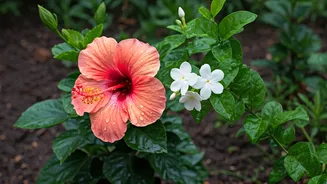
that thrive in damp, humid conditions, and a lack of sunlight that can stress plants accustomed to bright rays. Tropical hibiscus, with its flashy, vibrant blooms, is particularly susceptible to root issues if its feet stay wet. Fragrant jasmine, especially vining varieties, can become a tangled, damp mess, creating a perfect breeding ground for powdery mildew and other fungal pathogens. A little proactive care can prevent these seasonal problems from ruining your prized ornamentals.
Perfect Your Potting and Drainage
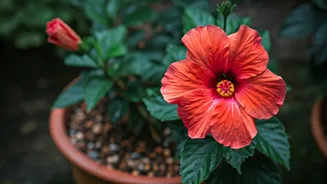
The single most important factor for plant survival during a wet season is excellent drainage. If your hibiscus and jasmine are in containers, this is your first line of defense. Before the rains begin, ensure every pot has multiple, unobstructed drainage holes. You can even elevate pots on “pot feet” or bricks to allow water to escape freely and prevent them from sitting in a puddle. If your plants are in the ground, assess the area. Does water pool there after a storm? If so, consider amending the soil with organic matter like compost or pine bark fines to improve its structure and porosity. For new plantings, creating a raised bed or a slight mound can make a world of difference in keeping the root crown from becoming saturated.
Prune for Better Airflow
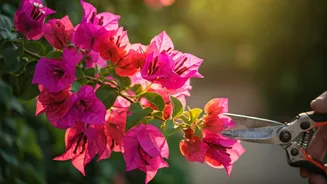
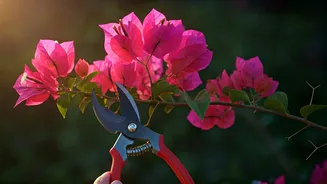
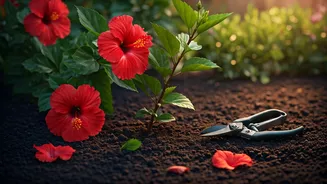
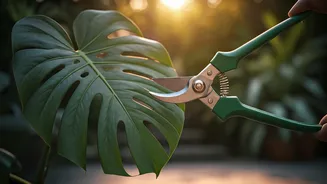
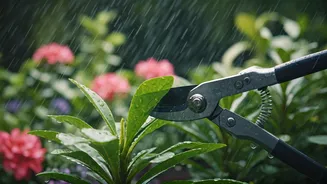
Humidity is the best friend of fungal diseases. A dense, overgrown plant traps moisture and limits air circulation, creating a welcoming environment for problems like black spot, sooty mold, and powdery mildew. Now is the time for a strategic trim. For your hibiscus, thin out the interior of the plant by removing any crossing or inward-growing branches. This opens up the canopy, allowing air and what little sun there is to penetrate the center. For vining jasmine, detangle the stems and secure them to their trellis or support. Prune away excess foliage, especially near the base of the plant. This simple haircut not only makes the plant healthier but also directs its energy toward producing beautiful blooms once the sun returns.
Turn Off the Sprinklers
This may sound obvious, but it’s a common and devastating mistake. When the forecast calls for days of rain, turn off your automatic irrigation system. It’s easy to forget, but letting your sprinklers run on top of a downpour is a guaranteed way to drown your plants. Even after the rain stops, check the soil before watering again. Stick your finger two inches deep; if it feels damp, hold off. Plants like hibiscus and jasmine prefer to dry out slightly between waterings, and during a humid, rainy spell, the soil will retain moisture for much longer than it does in the dry heat. Overwatering is the fastest way to kill a plant during the monsoon season.
Stay on Pest and Fungus Patrol
Wet weather sends a dinner invitation to slugs, snails, and various fungal spores. Be vigilant. After a rain, take a walk through your garden and inspect the leaves and stems of your hibiscus and jasmine. Look for the silvery trails of slugs or snails and remove them by hand. Check for the tell-tale signs of fungus: white powdery spots (powdery mildew), black spots on leaves (black spot), or a sticky black film (sooty mold, which often follows an aphid infestation). If you catch these problems early, you can often treat them by simply removing the affected leaves. For more persistent issues, a copper-based or neem oil fungicide, applied according to package directions, can help keep things under control. Just be sure not to spray during the heat of the day or when beneficial pollinators are active.
Rethink Your Feeding Routine
Gardeners love to feed their plants, but a rainy season is a time for restraint. Heavy rains can wash granular fertilizer away before the plant can absorb it, leading to wasted money and potential water pollution. Furthermore, pushing a lot of new, tender growth with high-nitrogen fertilizer during cloudy, wet weather can make plants more susceptible to pests and weak-stemmed. It’s better to scale back. If you must fertilize, use a slow-release formula or a diluted liquid feed applied sparingly. Wait for a break in the weather to give your plants their main meal. They aren’t growing as actively in low-light conditions, so their nutritional needs are lower.