




The Lush, Living Decor
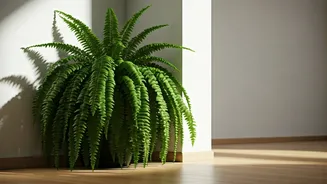
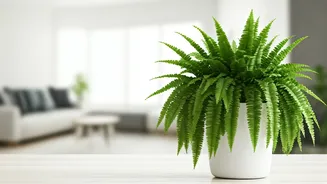
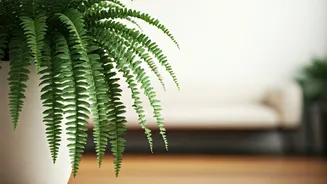
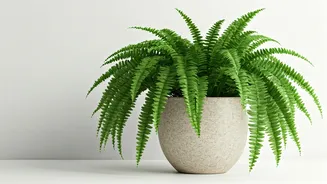
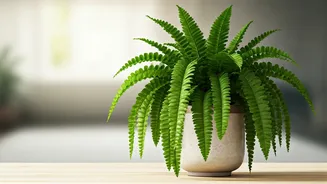
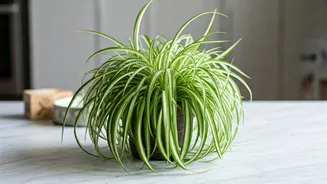
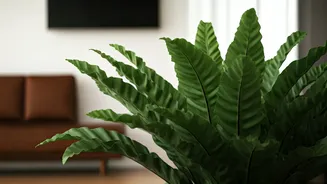
There’s a reason the Boston fern (Nephrolepis exaltata) has been a fixture in American homes for generations. Its appeal is immediate and undeniable. With long, arching fronds covered in tiny, delicate leaves, it creates a cascade of vibrant green that
can soften any room. Unlike more rigid, architectural plants, the fern has a wild, feathery texture that feels both elegant and untamed. It’s the perfect plant for a hanging basket, where its fronds can drape down like a living curtain, or for adding a touch of natural grace to a plant stand or the top of a bookshelf. The visual effect is one of abundance and vitality—a small piece of a lush, shaded forest floor brought right into your living room. This classic look never goes out of style, capable of complementing minimalist, bohemian, or traditional decor with equal ease.
The Pet-Safe Peace of Mind
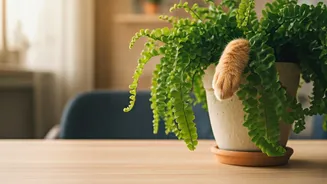
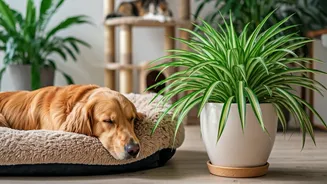
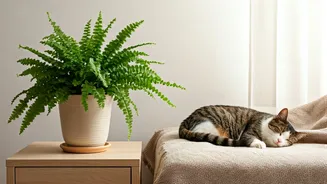
Here is the single most important piece of information for millions of plant-loving pet owners: The Boston fern is non-toxic to cats and dogs. This isn't just anecdotal wisdom passed between neighbors; it's confirmed by the ASPCA (American Society for the Prevention of Cruelty to Animals), the gold standard for pet safety information. While you should generally discourage pets from chewing on any houseplant (as it can still cause mild stomach upset), you don't have to live in fear if your curious cat bats at a frond or your puppy takes an experimental nibble. This certification removes the primary barrier that prevents so many animal lovers from indulging their green thumb. With a Boston fern, you can have the lush, verdant home you desire without constantly monitoring your four-legged family members or worrying about a toxic emergency. It’s a rare and welcome combination of beauty and safety.
More Than Just a Pretty Plant
The 'calm' in the headline isn't just about aesthetics. The presence of living greenery in our indoor spaces is linked to a concept known as biophilia—our innate human tendency to connect with nature. Studies have suggested that interacting with indoor plants can help reduce stress, improve mood, and even increase focus. The gentle ritual of caring for a plant—watering it, checking its leaves, finding the right light—can be a meditative practice in itself, a small moment of mindfulness in a busy day. While a single fern won't cure anxiety, it contributes to an overall environment of tranquility and care. It’s a living thing that responds to your attention, and the simple act of helping it thrive can provide a quiet, profound sense of accomplishment and peace.
Your Guide to a Thriving Fern
Boston ferns are often labeled as finicky, but their needs are straightforward once you understand them. They are trying to recreate the conditions of a humid, shaded forest floor.
Light: They thrive in bright, indirect light. A spot near an east-facing window is often perfect. Direct, harsh sunlight will scorch their delicate fronds, while a dark corner will lead to sparse, weak growth.
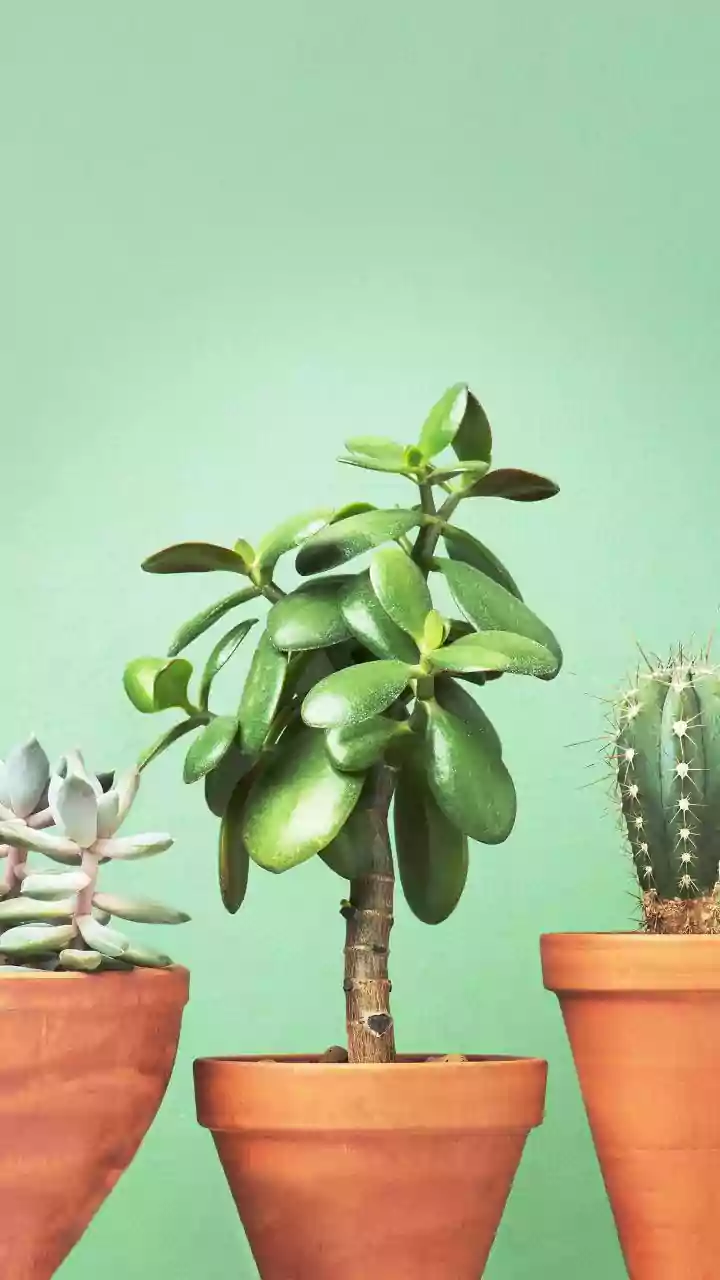
Water: This is the most critical element. Boston ferns like consistently moist soil, but not soggy. The 'let it dry out completely' rule for succulents does not apply here. Water thoroughly when the top inch of soil feels dry to the touch, and make sure the pot has good drainage to prevent root rot.
Humidity: This is the secret weapon. Ferns love humidity. A dry, centrally heated home is their enemy, often causing brown, crispy tips on the leaves. To keep your fern happy, place it in a naturally humid room like a bathroom, group it with other plants, use a pebble tray with water, or mist it every day or two. A small humidifier nearby is a game-changer for fern enthusiasts.