






The New Morning Ritual
For generations, the sound of India waking up was accompanied by the clink of teacups and the aroma of spiced chai. While that tradition remains firmly in place, it’s now sharing countertop space with a new class of beverages. From effervescent tablets
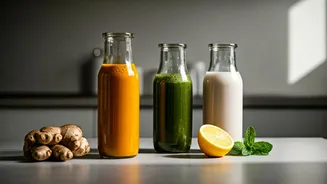
dropped into water to ready-to-drink herbal shots, functional wellness drinks are rapidly moving from a niche health-food-store curiosity to a mainstream daily staple. This shift, particularly among urban millennials and Gen Z, is driven by a powerful post-pandemic surge in health consciousness. Consumers are no longer just seeking flavor; they want immunity, energy, and stress relief in a convenient format. Instead of simmering herbs for an hour, they can now get a similar benefit in 30 seconds, making proactive health an accessible part of the morning rush.
Ancient Recipes, Modern Packaging
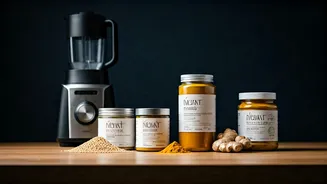
What makes this trend so potent is that it’s not built on foreign concepts. It’s a rebranding of centuries-old wisdom. Many of these new drinks are inspired by Ayurvedic principles and home remedies that Indian grandmothers have sworn by for ages. Take *kadha*, a traditional decoction of herbs and spices like ginger, tulsi (holy basil), and black pepper, typically simmered to fight off colds. Or *haldi doodh*, turmeric-infused milk known for its anti-inflammatory properties—the original ‘golden milk’ long before it became a $12 latte in a Brooklyn cafe. For years, these were things you made at home when you felt sick. Now, startups and established brands are packaging these trusted recipes into user-friendly formats: powders, dissolvable strips, and bottled drinks. They’re selling not just a product, but a comforting sense of tradition fused with the aspirational gloss of modern wellness.
A Booming Direct-to-Consumer Market
The engine behind this wellness wave is India's booming direct-to-consumer (D2C) market. A flood of new-age brands has emerged, using savvy social media marketing and e-commerce to reach consumers directly. They speak the language of modern wellness, emphasizing clean labels, natural ingredients, and targeted benefits—for ‘gut health,’ ‘glowing skin,’ or ‘stress support.’ By sidestepping traditional retail, these companies can innovate quickly, launching products like apple cider vinegar gummies, ashwagandha-infused coffee, and moringa green tea. This digital-first approach has created a vibrant, competitive landscape where convenience is king. The message is clear: you don’t need to be an Ayurvedic scholar or spend hours in the kitchen to benefit from India’s rich botanical heritage. You just need to click ‘add to cart.’
Beyond the Turmeric Latte
While Americans may be familiar with turmeric, the Indian wellness drink scene showcases a much wider and more sophisticated botanical pantry. Ingredients that were once confined to traditional medicine cabinets are now household names. Ashwagandha, an adaptogen prized for its stress-reducing properties, is appearing in everything from morning smoothies to nighttime teas. Amla, or Indian gooseberry, a potent source of Vitamin C, is the star of immunity-boosting juices and powders. Other herbs like brahmi (for cognitive function) and giloy (for immunity) are also gaining widespread popularity. This movement represents a reclamation of indigenous ingredients, reframing them as powerful tools for everyday vitality. It’s a sign that the wellness conversation in India is deepening, moving past generic trends to embrace a system of health that is uniquely its own.