



Certified Peace of Mind for Pet Parents
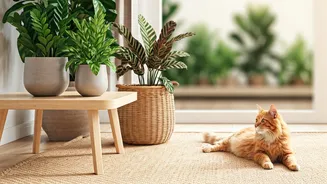
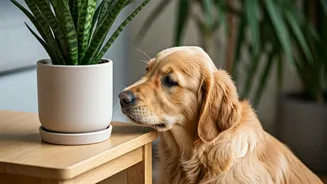
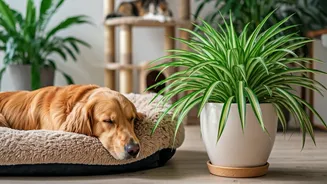
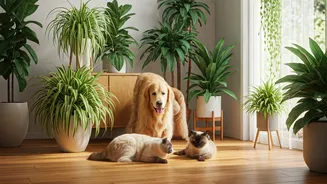
Let’s start with the most important feature: safety. The Boston fern (Nephrolepis exaltata) is consistently listed as non-toxic to both cats and dogs by the American Society for the Prevention of Cruelty to Animals (ASPCA). This is the gold standard for pet-safe
plant recommendations, offering true peace of mind. While you might not want your cat or dog to make a meal of the fronds for the plant’s sake, you don't have to live in fear of a curious nibble leading to an emergency vet visit. Unlike popular but perilous plants like lilies, pothos, or philodendrons, the Boston fern allows you to create a jungle-like vibe without compromising your pet’s well-being. This single fact elevates it from just another houseplant to a genuine solution for millions of American households where pets are part of the family.
An Instant Touch of Softness
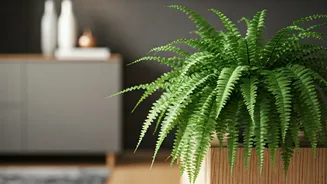
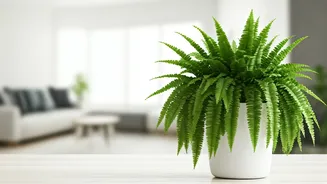
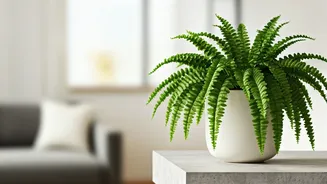
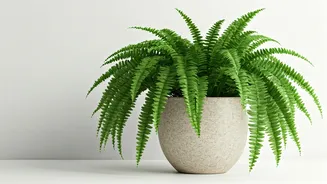
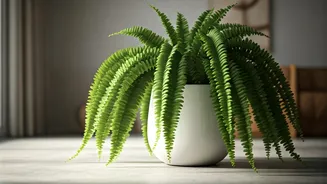
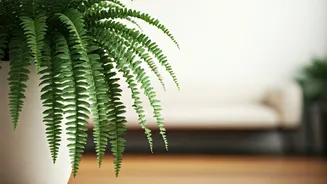
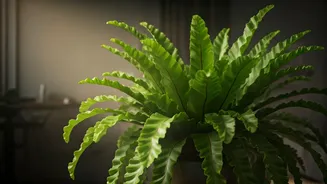
The headline gets it right: Boston ferns are a “soft” decor pick. Their long, feathery fronds arch gracefully, creating a gentle, organic shape that can soften the hard lines and sharp corners of any room. In a space dominated by modern furniture or minimalist design, a sprawling Boston fern adds a touch of natural elegance and visual texture. They are exceptionally versatile in their placement. A fern in a hanging basket becomes a living chandelier, drawing the eye upward and filling empty vertical space. Placed on a pedestal or plant stand, it can anchor a corner or flank a doorway with symmetrical grace. Even on a simple side table, its cascading greenery brings life and movement into the room. This ability to add lushness without bulk makes it a designer’s favorite for creating a space that feels both styled and serene.
More Than Just a Pretty Frond
Beyond its good looks and pet-friendly nature, the Boston fern is also a quiet workhorse. Like many houseplants, it’s known for its ability to help improve indoor air quality. These ferns are particularly noted for their effectiveness at filtering common airborne pollutants like formaldehyde and xylene, which can be off-gassed from furniture, paints, and cleaning products. While a single plant won’t single-handedly purify your entire home, it contributes to a healthier indoor environment. This natural air-filtering capacity is a wonderful bonus, turning your decorative choice into a functional element that helps make your home a fresher, more pleasant place to breathe for both you and your pets. Think of it as a small, green guardian working quietly in the corner of your living room.
Caring for Your Fern Friend
Boston ferns have a reputation for being a bit dramatic, but their care is straightforward once you understand their main requirement: humidity. These are forest-floor plants, and they thrive in conditions that mimic that environment. Place your fern in a spot with bright, indirect light—a north-facing window is often perfect, as direct sun will scorch its delicate fronds. Keep the soil consistently moist but not waterlogged. A good rule of thumb is to water it when the top inch of soil feels dry. The real secret to success, however, is humidity. If your home is dry, especially in winter, you’ll need to boost it. Misting the plant a few times a week, placing it on a pebble tray with water, or running a small humidifier nearby will keep it happy. Bathrooms with windows are often an ideal location, as they naturally provide the steam and moisture these plants crave. A little browning on the tips isn’t a catastrophe; just trim it off and assess your humidity levels.