

1. Warm Up with Wood
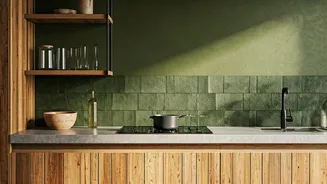
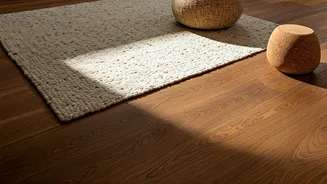
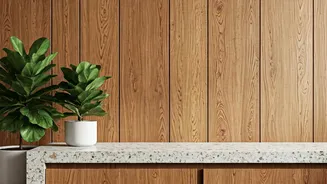
Wood is perhaps the easiest and most impactful natural material to introduce. Its warmth, texture, and unique grain patterns instantly counter the cold, uniform look of laminate or plastic. You don’t need to install hardwood floors to feel the effect.
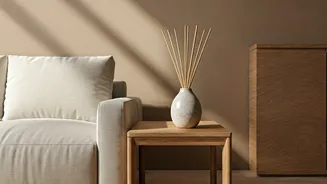
Start small with a live-edge coffee table, a set of acacia wood salad bowls on an open shelf, or even a collection of sculptural driftwood on a mantel. The visual and tactile connection to something that was once a living tree adds a layer of history and character that manufactured materials simply can't replicate. From the deep tones of walnut to the light airiness of maple or bamboo, wood grounds a room in organic beauty.
2. Breathe Life with Plants
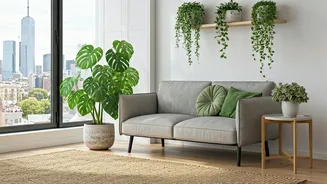
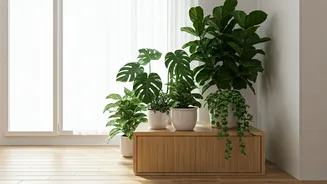
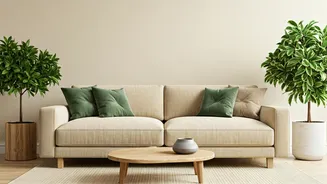
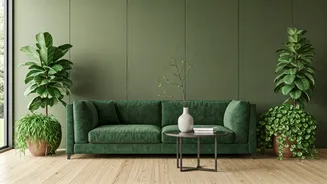
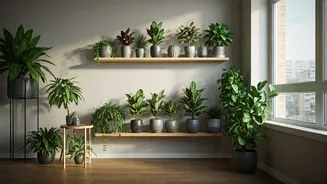
Nothing combats a synthetic feeling quite like actual life. Houseplants are the most literal way to bring the outdoors in. Beyond their well-known air-purifying qualities, plants introduce vibrant color, dynamic shapes, and a sense of vitality. A trailing pothos cascading from a bookshelf or a tall fiddle-leaf fig in a corner can transform the entire energy of a room. They require care, which in itself fosters a deeper connection to your environment. If you’re not a green thumb, start with low-maintenance options like snake plants or ZZ plants. Even a simple vase of fresh-cut flowers or eucalyptus branches on the dining table can provide a temporary but powerful dose of nature.
3. Soften with Natural Textiles
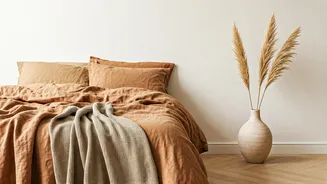
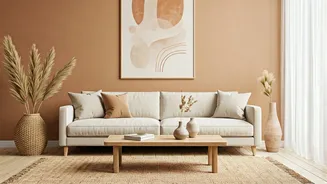
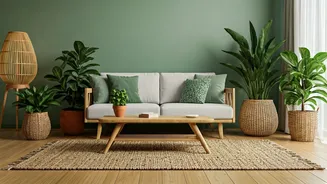
Look at the fabrics that fill your space. Polyester and acrylic have their place, but an over-reliance on them can contribute to a sterile, static-filled environment. Swapping them for natural fibers introduces texture, breathability, and a sense of lived-in comfort. Think of a chunky wool throw blanket on the sofa, linen curtains that gently diffuse sunlight, or a jute or sisal rug underfoot. These materials are perfectly imperfect—their subtle variations in weave and color add a handmade, soulful quality. Cotton, hemp, and silk are other excellent choices for everything from bedding to throw pillows, making your home not only look but also feel more natural to the touch.
4. Ground the Space with Stone and Earthenware
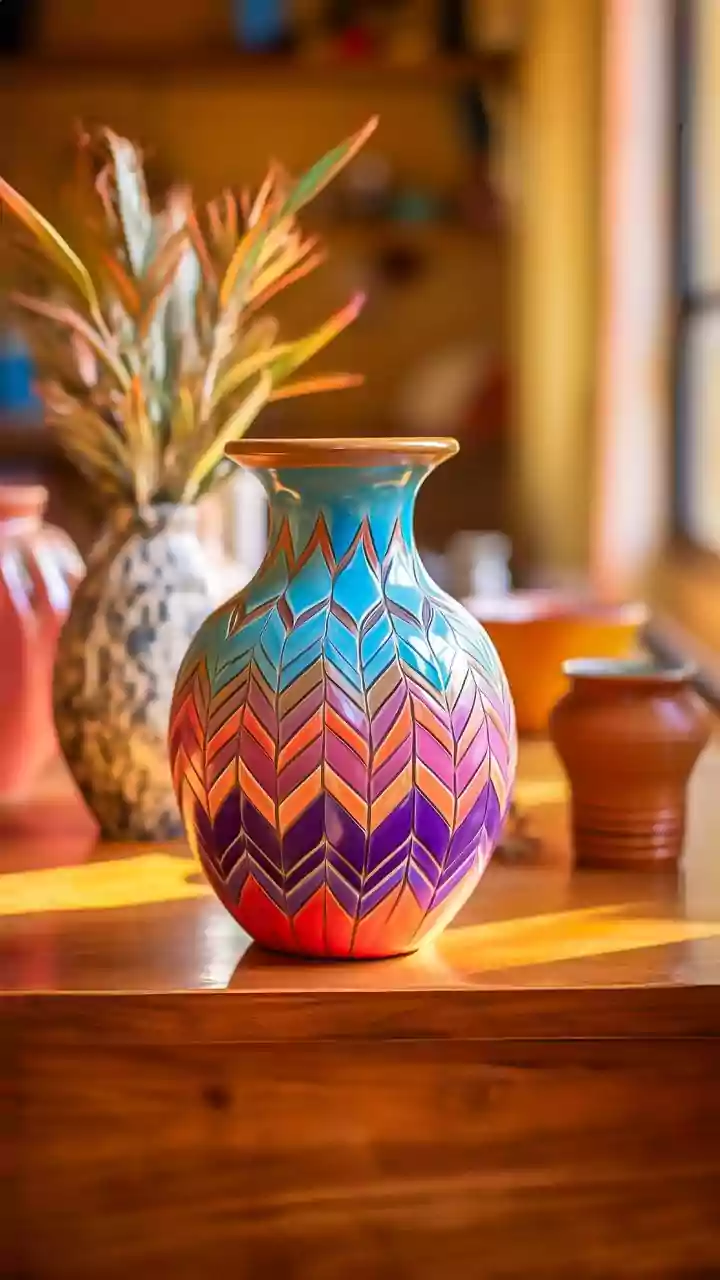
While wood brings warmth, stone and clay provide a cool, grounding counterbalance. These elements connect us to the earth in a very primal way. You can incorporate them through a slate serving board in the kitchen, a marble tray for perfumes on a dresser, or a stack of smooth river rocks on a windowsill. Terracotta and ceramic planters for your houseplants are another fantastic way to double down on natural elements. The heft, cool surface, and earthy colors of these materials provide a solid, enduring presence that helps a room feel more permanent and rooted, a stark contrast to the lightweight disposability of many synthetic goods.
5. Let There Be Natural Light
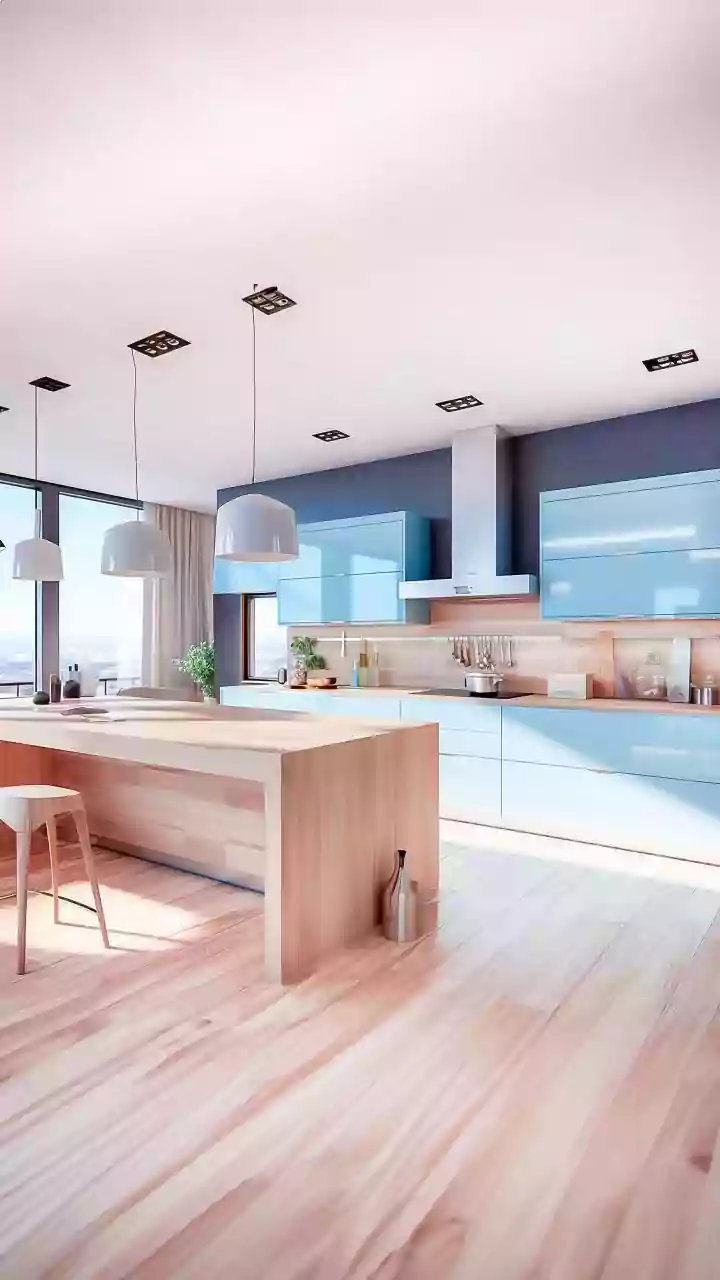
While not a material you can buy, natural light is the ultimate element for making a room feel alive and authentic. A space flooded with sunlight feels more expansive, clean, and connected to the rhythms of the day. Maximize what you have by cleaning your windows, pulling back heavy drapes in favor of lighter, sheerer options, and using mirrors to bounce light into darker corners. The way sunlight changes throughout the day, casting different shadows and highlighting different textures, is a dynamic process that no artificial lighting can truly mimic. It’s the final touch that animates all the other natural materials in your room, making them come alive.