

India's Silicon Valley Needs a Vacation
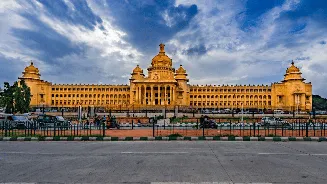
First, it helps to understand Bengaluru. Often called the 'Silicon Valley of India,' it’s a bustling metropolis packed with the country's brightest tech talent. Young, educated, and well-paid professionals from across India flock here to work for global
giants like Google and Amazon, as well as a thriving ecosystem of startups. But the city's fast-paced, high-pressure work culture creates a powerful counter-desire: the need to unplug and escape. Unlike the traditional once-a-year family vacation, this new demographic craves frequent, short, and accessible breaks to decompress from the urban grind. They have the disposable income, but not always the time for a two-week-long international journey. This has fueled a massive market for quick getaways, and they’ve found the perfect, unexpected window to make it happen.
The Counterintuitive Allure of July
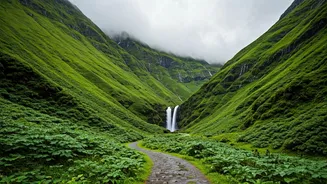
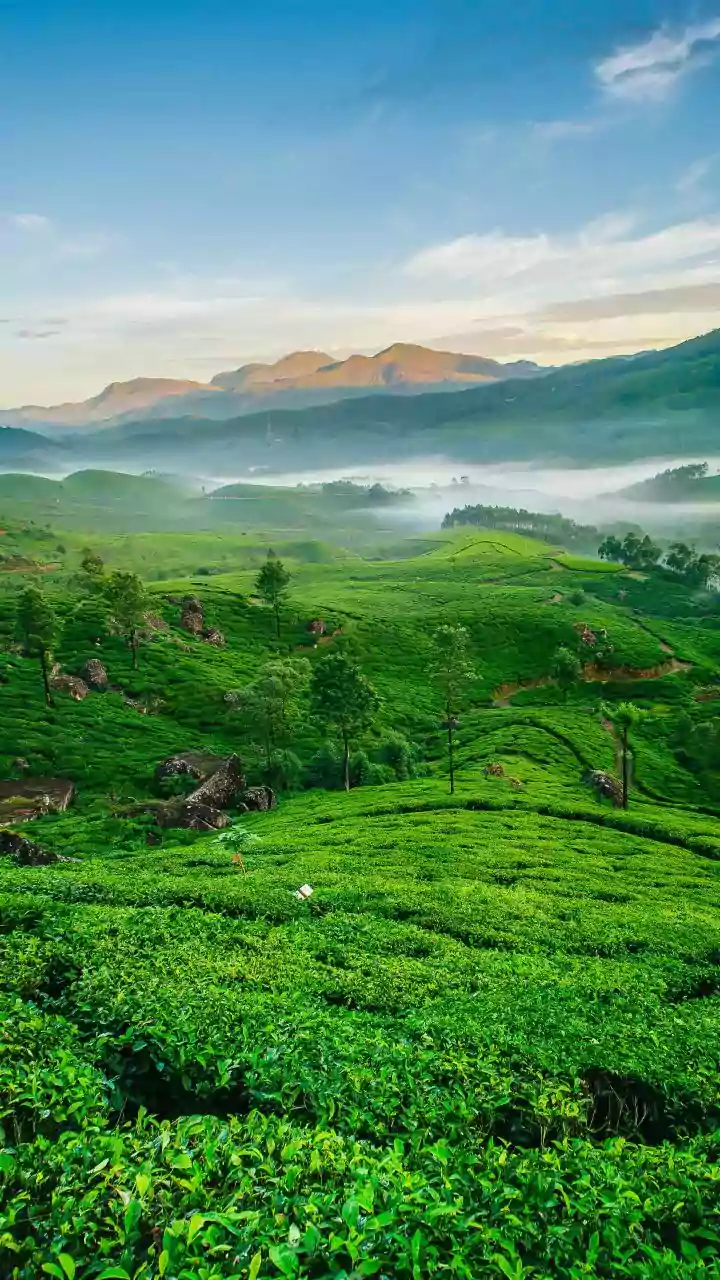
For Americans, July means summer sun, barbecues, and beach trips. In southern India, it means something entirely different: monsoon. This is the heart of the rainy season, a time of heavy downpours and overcast skies. Historically, this was considered the absolute worst time to travel. Roads could be treacherous, and outdoor activities were limited. So why the obsession with July? Because the perception has completely flipped. For residents of a concrete jungle like Bengaluru, the monsoon transforms the surrounding countryside into a paradise. The landscape explodes in a riot of lush, vibrant green. Waterfalls that are mere trickles for most of the year become roaring cascades. The air is clean, the dust has settled, and the oppressive summer heat has finally broken. It's a sensory refresh that travelers are now actively seeking out, turning the 'off-season' into the 'in-season.'
What 'Cheap' Really Means Here
The 'cheap' in 'cheap July breaks' isn't about staying in rundown hostels. It’s about value and accessibility. Because the monsoon is still considered off-season by the broader tourism market, many premium resorts and charming homestays in nearby destinations offer significant discounts—sometimes up to 40-50% off their peak-season rates. A boutique hotel that might be a splurge in December becomes an affordable weekend treat in July. Furthermore, the most popular destinations are just a few hours' drive from Bengaluru. This eliminates the cost of flights, which are often the biggest expense for a trip. A group of friends or a couple can simply rent a car or take a comfortable bus, making the entire excursion manageable on a modest budget. The focus is on the experience—cozying up with a book while it rains, enjoying the misty views, and eating local food—rather than on five-star extravagance.
The Go-To Monsoon Destinations
So where exactly are they going? The Western Ghats, a mountain range running parallel to India’s western coast, is the prime destination. This UNESCO World Heritage site becomes spectacularly beautiful during the monsoon. The top spots include:
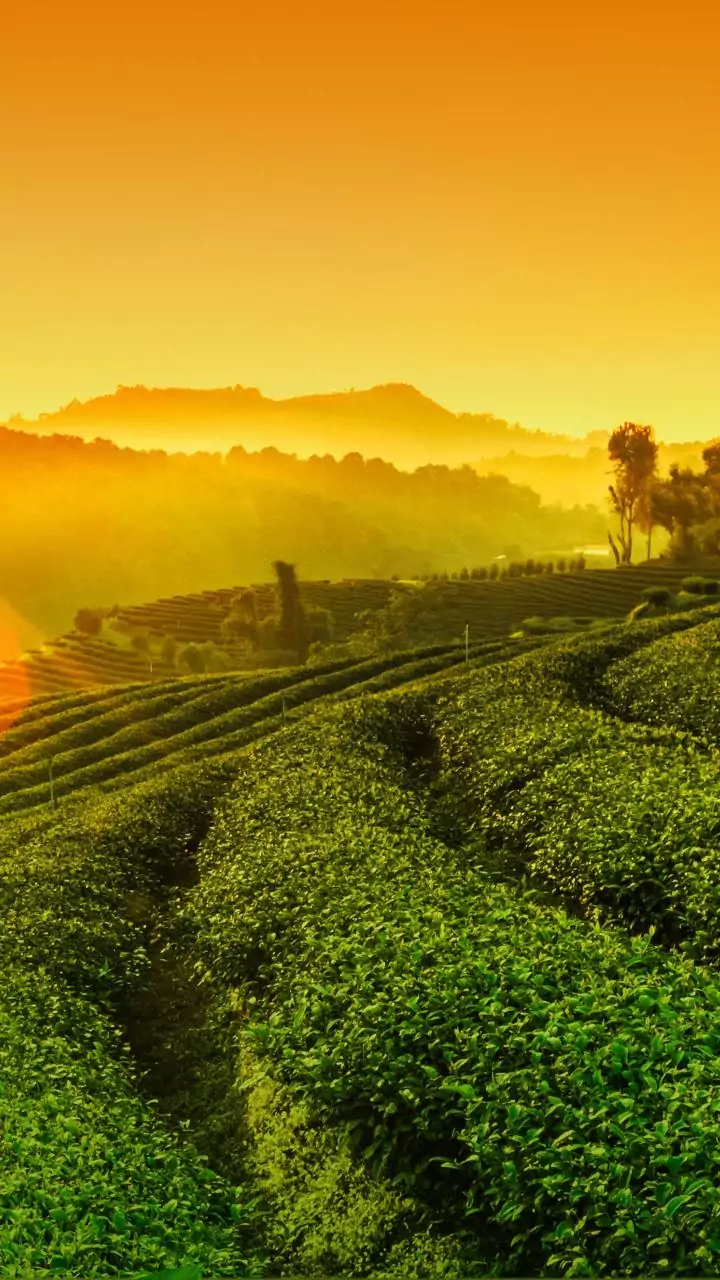
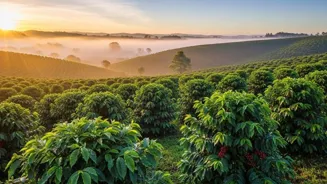
**Coorg:** Known as the 'Scotland of India,' this region is famous for its rolling hills covered in coffee plantations. In July, the area is shrouded in a romantic mist, making it perfect for relaxing and enjoying the region's famous coffee and spicy pork curry.
**Chikmagalur:** Another coffee-growing region, it offers stunning treks to peaks that poke through the clouds. The journey itself, on winding roads through dense green forests, is a huge part of the appeal.
**Wayanad:** Located in the neighboring state of Kerala, Wayanad is a land of paddy fields, spice plantations, and dramatic waterfalls. It offers a slightly more rustic, immersive experience in nature. These aren't resort towns in the American sense; they are agricultural heartlands that offer a peaceful, authentic escape.
A Sign of Deeper Changes
This trend is more than just a clever travel hack; it’s a window into the aspirations of modern, urban India. It reflects a shift away from 'seeing the sights' and toward 'feeling an experience.' After years of pandemic-related restrictions, there's a pent-up demand for travel, but it's manifesting as a desire for more frequent, meaningful, and restorative trips rather than bucket-list sightseeing. This Bengaluru-based phenomenon highlights a workforce that is consciously seeking a better work-life balance. They are reclaiming their weekends and redefining what a 'break' looks like. It’s a quiet rebellion against the always-on culture of the tech industry, fought with car rentals, rainy drives, and a hot cup of chai overlooking a rain-soaked valley.