

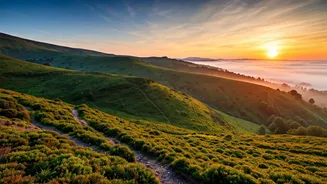


The Hill Station Hangover
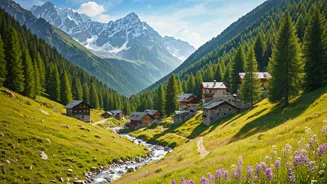
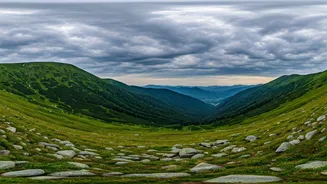
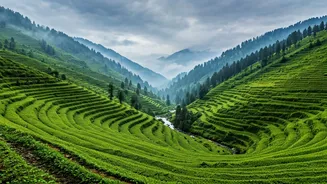
Picture a quaint town nestled in the foothills of the Himalayas. The air is crisp, the views are panoramic, and charming colonial-era buildings line a bustling promenade. This is the promise of Indian hill stations like Shimla, Manali, and Darjeeling—a
promise that has lured travelers for over a century. For many Americans, it’s the romanticized vision of India seen in films and novels. The reality, however, can be jarringly different. During peak season, the narrow mountain roads leading to these towns become arteries of gridlocked traffic, turning a scenic drive into a multi-hour ordeal. The famous Mall Roads, once meant for leisurely strolls, are now often shoulder-to-shoulder seas of tourists jostling for space. The serene viewpoints are dotted with selfie-stick-wielding crowds, and the quiet contemplation of a mountain vista is frequently broken by the blare of a car horn or the call of a persistent souvenir vendor. While the natural beauty remains undeniable, the experience of accessing it has become an exercise in patience and crowd tolerance.
An Alternative Beckons: The Golden City
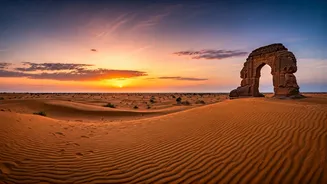
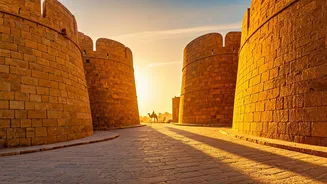
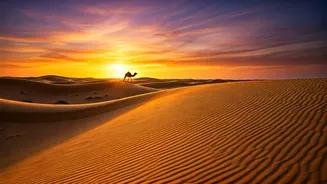
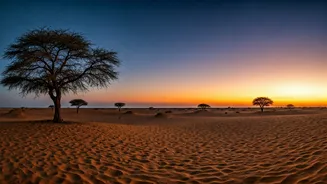
Now, shift your imagination thousands of miles south and west, to the edge of the great Thar Desert in Rajasthan. Here lies Jaisalmer, the “Golden City.” Its centerpiece is not a mountain peak but a colossal sandstone fortress that rises from the desert floor like a magnificent, sun-drenched sandcastle. Unlike the forts of Europe, which are often sterile museums, Jaisalmer Fort is a living, breathing organism. It’s one of the few remaining “living forts” in the world, with thousands of people residing within its ancient walls.
The city was a crucial stop on the old Silk Road, and that history of trade, intrigue, and artistry is etched into every stone. Instead of the cool mountain mist, the air here is dry and filled with the faint scent of spice and history. The color palette is a mesmerizing monochrome of gold, honey, and ochre, transforming with the angle of the sun throughout the day. This isn’t a manufactured tourist retreat; it’s a functioning, centuries-old community that happens to be one of the most stunning architectural wonders on the subcontinent.
The Slow Magic of a Fort Walk
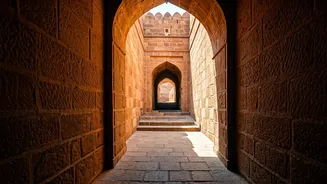
The true magic of Jaisalmer reveals itself on foot. Inside the fort, there are no cars. The main thoroughfares of a hill station are replaced by a labyrinth of narrow, winding lanes—some so slender you can touch both walls at once. A walk here is an act of discovery, not a means of transit. You’ll stumble upon intricately carved havelis (traditional mansions), their facades a testament to the wealth of bygone merchants. You’ll pass tiny Hindu and Jain temples tucked into alleyways, their bells chiming softly. You can wander into artisan shops where families have been practicing their craft for generations, chat with residents sitting on their doorsteps, and feel a sense of connection to a place that is utterly unique.
Every turn offers a new vista, not of traffic, but of ancient architecture. When you’ve explored the maze within, you can climb to the ramparts. From there, the 360-degree view is of the sprawling modern city below and the endless, shimmering expanse of the Thar Desert beyond. The pace is unhurried, dictated by your own curiosity rather than the flow of a crowd.
Trading Tourist Traps for Timelessness
The contrast couldn't be starker. A hill station getaway often revolves around a checklist of manufactured attractions: take a paddle boat on the lake, get a photo at the designated sunset point, buy a mass-produced souvenir. It’s a passive, consumer-driven experience.
A Jaisalmer fort walk, by contrast, is an active, immersive one. The reward isn’t a single photo but the cumulative experience of being enveloped by history. It’s about the freedom to get lost, the thrill of stumbling upon a hidden courtyard, and the genuine interactions with people whose families have called this fortress home for centuries. You trade the noise of tourism for the texture of daily life. You're not just observing a place; you're participating in its rhythm.