





Rethinking Your Fuel Source
For years, the fitness industry sold a single story about energy: it’s about pushing harder, going faster, and finding an external boost to get you over the line. Pre-workout powders, energy drinks, and a 'no days off' mentality became the markers of dedication.
But for anyone juggling a career, family, and the general chaos of adult life, that model has a notoriously short shelf life. It leads to burnout, injury, and plateaus. The new, more mature understanding of fitness energy isn't about what you take five minutes before you hit the gym. It's about the consistent, often unglamorous work you do the other 23 hours of the day. The true energy sources for grown-up gains aren't found in a stimulant-packed tub; they are hydration and recovery. Think of them less as chores and more as your new, secret-weapon supplements.
Water Isn't Just for Thirst
We all know we’re supposed to drink water. But few of us treat hydration with the respect it deserves as a performance tool. Being even slightly dehydrated can tank your workout capacity, wreck your focus, and make every exercise feel ten pounds heavier. Why? Because water is the medium for nearly every metabolic process in your body. It transports nutrients to your muscles, helps regulate body temperature through sweat, and lubricates your joints. When you’re low on fluids, everything grinds to a halt. Your muscles are about 75% water. When they’re dehydrated, they can’t contract efficiently, and your body can't clear out metabolic waste products like lactic acid as effectively, leading to that premature 'I can't do another rep' feeling. Instead of waiting until you’re parched, reframe hydration as pre-loading your energy. Start drinking water hours before your workout, not just during it. Carry a water bottle everywhere. This simple shift turns hydration from a passive task into an active part of your fitness strategy.
Recovery Is the Other Half of the Workout
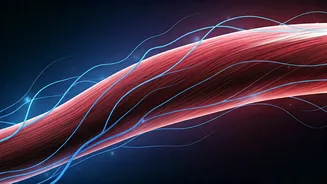
Here's a concept that can change your entire fitness outlook: you don't get stronger in the gym. You get stronger while you recover from the gym. The workout itself is the stimulus—you're creating microscopic tears in your muscle fibers. The magic happens afterward, when your body repairs those fibers, making them thicker and stronger than before. This process is called adaptation, and it can’t happen if you’re chronically short-changing your recovery. What does 'recovery' actually mean? It's a three-legged stool: sleep, nutrition, and rest. Sleep is the undisputed champion. It’s when your body releases human growth hormone, the primary driver of muscle repair. Skimping on sleep is like doing a great workout and then throwing all the results in the trash. Nutrition, especially protein and carbohydrates post-workout, provides the raw building blocks for repair. And rest—both active recovery days (like a walk or light stretching) and complete days off—gives your nervous system and joints a chance to heal. Seeing recovery as an integral part of your training, rather than a break from it, is the hallmark of an experienced athlete.
Putting It All into Practice
Shifting your focus doesn’t require a massive overhaul. It’s about small, consistent upgrades. Start by making hydration non-negotiable. Get a 32-ounce water bottle and make a rule to finish it twice a day. Pay attention to the color of your urine—pale yellow is the goal. Next, treat your sleep like a training session. Aim for 7-8 hours a night and create a simple wind-down routine, like putting your phone away 30 minutes before bed. After your workout, don’t just bolt for the door. Spend five to ten minutes doing light stretching or foam rolling to kick-start the recovery process. Finally, schedule your rest days. Mark them on your calendar and protect them just as fiercely as you would a planned workout. These aren't signs of weakness; they're the actions of someone training for the long haul.