



1. The Supermarket Standard: Tommy Atkins
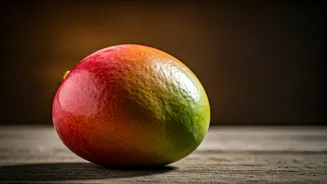
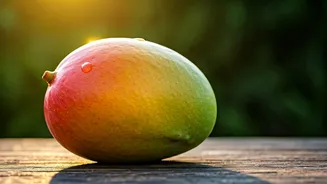
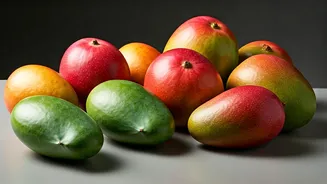
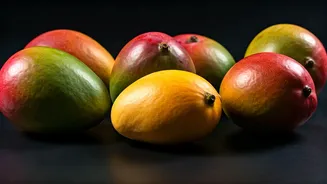
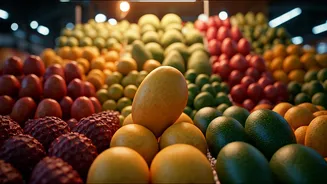
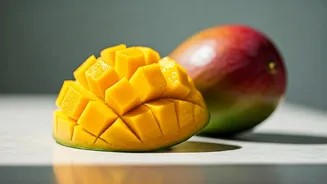
Let’s start with the mango you most likely see everywhere. The Tommy Atkins is the undisputed champion of the American supermarket for one simple reason: it’s tough. This mango was bred in Florida in the 1920s not for its taste, but for its durability,
long shelf life, and resistance to bruising during shipping. It has thick, beautiful skin that blushes from green to a deep red, making it incredibly eye-catching. The downside? The flesh is often fibrous and the flavor can be mild, sometimes even blandly sweet. It’s the mango that gets the job done for a basic smoothie or a decorative fruit platter, but it’s the reason many Americans don't understand the fruit's legendary status. Think of it as the starting line, not the destination.
2. The Gateway Drug: Ataulfo (Honey Mango)
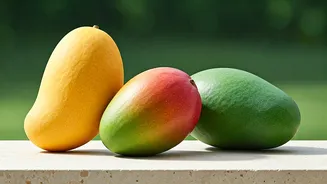
If you want to fall in love with mangoes, start here. The small, kidney-bean-shaped, golden-yellow fruit is marketed as the Honey mango, and for good reason. Originally from Mexico, the Ataulfo is exceptionally sweet with a rich, tropical flavor that has hints of peach and vanilla. Its defining characteristic is its texture: almost completely fiberless, it melts in your mouth with a buttery, custardy smoothness. Because of its small pit and thin skin, you get a surprising amount of fruit. The Ataulfo has converted more mango skeptics than any other variety. It’s perfect for eating fresh—just slice the “cheeks” off the pit and scoop the flesh with a spoon.
3. The Gentle Giant: Kent
When you want a classic mango experience without the stringiness, look for a Kent. These are large, oval-shaped mangoes that stay mostly green with a patch of red blush, even when ripe. Don’t let the green fool you; a ripe Kent is a flavor bomb. It’s incredibly juicy and sweet with a complex, almost orange-like flavor and very little fiber. They originate from Florida but are now widely grown in Mexico, Peru, and Ecuador, giving them a long season of availability. Because of their size and smooth flesh, Kents are fantastic for slicing and dicing for fruit salads, salsas, or just eating over the sink with juice dripping down your arms. They are a reliable and consistently delicious choice.
4. The Late-Season Hero: Keitt
Just when you think mango season is winding down in late summer, the Keitt arrives. Another Florida original, this massive mango is known for remaining green even at peak ripeness (a gentle squeeze is your best indicator). What makes the Keitt special is its flavor profile. It’s sweet but balanced with a pleasant tartness and a slightly lemon-like tang, making it incredibly refreshing. The flesh is firm and has very little fiber, which makes it one of the best mangoes for cooking, grilling, or using in savory dishes. Its firm texture means it won’t turn to mush in a Thai green curry or a tangy chutney. If you find other mangoes to be cloyingly sweet, the Keitt is your perfect match.
5. The Florida Classic: Haden
The Haden is mango royalty in the United States. First cultivated in Miami in 1910, it's the parent or grandparent of many of the varieties we enjoy today, including the Tommy Atkins and Kent. A true Haden is a beautiful fruit, round and firm with a brilliant red skin accented with yellow and green. It has a classic, rich mango flavor with a slight tartness and a characteristic aroma. While it does have some fiber, it’s a far cry from the stringiness of a Tommy Atkins. Finding a true Haden can be a treasure hunt, as they’ve been replaced in commercial orchards by higher-yield varieties. But if you spot one at a farmers market, especially in Florida, grab it. You’ll be tasting a piece of American fruit history.