






Beyond the Restaurant Reservation
Anyone can book a table at a city’s top-rated restaurant. It’s a predictable, often transactional experience. But shopping at a neighborhood market for ingredients you’ve never seen before, then learning from your homestay host how to prepare them in a kitchen
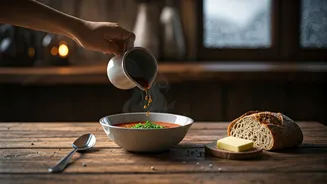
that feels like a temporary home? That’s a different league of travel. Homestay platforms like Airbnb and Vrbo have unlocked a more intimate way to see the world, and food is its most powerful language. It shifts you from a passive consumer into an active participant. You’re not just eating dinner; you’re stepping into the rhythm of daily life, connecting with the person who owns the home, and creating a memory that’s uniquely yours. This experience—the process, the collaboration, the occasional funny mistake—is infinitely more compelling than a standard food photo from a restaurant table.
Every Meal Becomes a Story
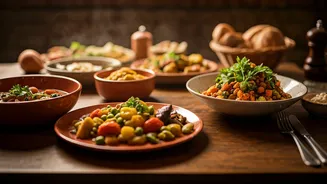
The secret to “shareable” content isn’t just a beautiful image; it’s the narrative behind it. When you build a trip around local food within a homestay, you’re not just collecting photos, you’re collecting stories. That picture of a rustic tomato tart isn’t just a picture of a tart. It’s the story of waking up early to visit the Sunday market in a small French town, the friendly vendor who insisted you try three different types of goat cheese, and the hand-written recipe your host left on the counter. A video of sizzling garlic in a pan carries the weight of a lesson from a nonna in Tuscany who doesn't speak English but communicates perfectly through gestures. This is what your friends and followers connect with. They’re not just seeing what you ate; they’re getting a glimpse into a genuine, unscripted cultural exchange. The food becomes the protagonist in your travel diary.
Crafting the Digital Postcard
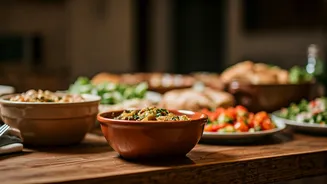
In a world saturated with generic travel content—the same infinity pools, the same landmark selfies—authenticity is the new currency. A home-cooked meal, made with local ingredients in a personal setting, is the ultimate authentic artifact. It’s proof of immersion. Sharing this experience online is less about bragging and more about transmitting a feeling. It says, “I didn’t just visit this place; I lived in it for a few days.” A photo of a colorful farmer's market haul spread across a rustic wooden table does more to communicate the vibe of a place than a thousand words. A short clip of you and your host laughing over a shared bottle of wine while cooking tells a story of human connection. This is the modern-day postcard, and it’s far more engaging because it’s personal, sensory, and deeply rooted in place.
How to Find Your Food-Forward Stay
Finding a homestay that sets you up for culinary success is easier than you think. Start by filtering for properties with “full kitchens” and scour the photos. Look for well-stocked spice racks, quality pots and pans, and good counter space. The real magic, however, is in the reviews. Search for keywords like “market,” “cooking,” “host,” and “kitchen.” Guests will often rave about a host who left them fresh eggs or a guide to the best local bakeries. Many hosts now explicitly offer food-centric “Experiences,” from guided market tours to private cooking classes. Don’t be afraid to message a potential host before booking. Ask them about their favorite local food purveyors or if they have any tips for cooking regional dishes. Their response will tell you everything you need to know about how central food is to the experience they offer.