


Jaggery: The Unrefined Sweetener
Chances are, you've been conditioned to think of sugar as a one-dimensional villain. But jaggery, known as 'gur' in Hindi, complicates that narrative. It’s an unrefined sugar made from concentrated sugarcane juice or date palm sap, and it's been a cornerstone
of South Asian diets for centuries. Unlike its stark white, highly processed cousin, jaggery retains the natural molasses, giving it a rich, golden-brown color and a complex flavor profile with notes of caramel, toffee, and a hint of smoke. Traditionally, it was used to sweeten everything from chai and lentil dishes (dal) to festive desserts. Ayurvedic medicine has long prized it for its purported ability to aid digestion and cleanse the body. So why the sudden interest now? It’s part of a broader consumer shift away from empty calories and toward whole, minimally processed foods. Jaggery contains trace minerals like iron, magnesium, and potassium that are stripped from refined sugar. While it's still sugar and should be consumed in moderation, its rustic charm and nuanced flavor are winning over chefs and health-conscious foodies. You’ll now find it sweetening lattes in trendy cafes, as the star ingredient in artisanal chocolate bars, and replacing honey or maple syrup in healthy granola recipes. It offers a story and a sense of place that plain white sugar simply can't match.
Sattu: The Humble Superfood Protein
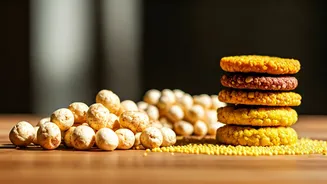
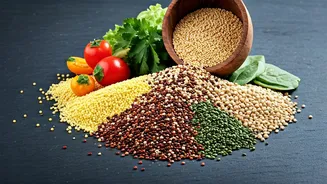
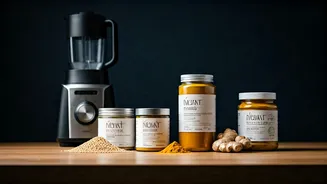
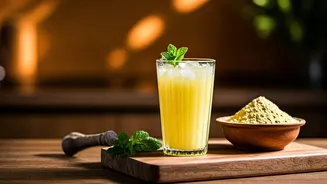
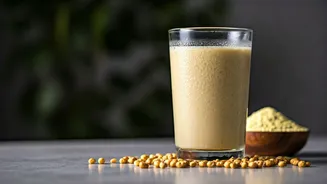
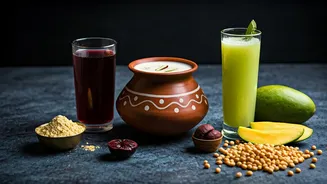
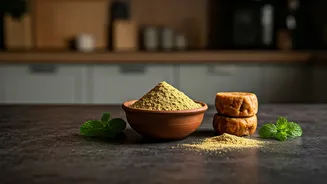
If jaggery is the soulful sweetener, sattu is its powerhouse partner. At its simplest, sattu is a flour made from roasted grams (chickpeas) or a mix of other pulses and cereals. For generations, it has been the go-to fuel for laborers, farmers, and travelers in northern and eastern India, particularly in the state of Bihar. Nicknamed the “poor man’s protein,” it’s an affordable, shelf-stable, and incredibly versatile source of nutrition. The traditional way to consume sattu is as a simple, cooling drink: a few spoonfuls mixed with cold water, a pinch of salt, and a squeeze of lime. It’s a hydrating, electrolyte-rich beverage perfect for scorching summer days. But its modern applications are where things get exciting. As Americans continue their quest for plant-based proteins, sattu is emerging as a gluten-free, high-fiber, high-protein hero. Fitness enthusiasts are blending it into post-workout shakes as a natural alternative to synthetic protein powders. Bakers are using it to make nutrient-dense pancakes, flatbreads, and energy balls. It’s the ultimate life hack: a traditional food that perfectly aligns with the modern demands of a healthy, fast-paced lifestyle.
Why We're Craving The Past
The resurgence of jaggery and sattu isn't happening in a vacuum. It speaks to several powerful currents in American culture. First, there's the wellness movement's obsession with authenticity. We’re tired of unpronounceable ingredients and are actively seeking foods with simple, natural origins. These ingredients are the antithesis of ultra-processed food. Second, it’s a story of cultural reclamation. As the Indian diaspora grows and integrates in the U.S., second- and third-generation individuals are exploring their heritage through its flavors, reinterpreting and celebrating the foods of their parents and grandparents. They are the new ambassadors, introducing these ingredients to a wider audience through blogs, social media, and innovative food businesses. Finally, there's the endless hunt for the next “superfood.” After embracing quinoa from the Andes, açaí from the Amazon, and matcha from Japan, American consumers are increasingly looking to the rich culinary traditions of South Asia. Jaggery and sattu fit the bill perfectly: they are nutrient-dense, have an ancient pedigree, and offer a taste of something new yet deeply rooted in history.