






More Than Just a Trade Show
For decades, food trade shows were predictable affairs, dominated by legacy corporations showcasing bulk commodities. But today, events like AAHAR in New Delhi or Indusfood have transformed into high-energy crucibles of innovation. They are where a twenty-something
founder with a new brand of vegan ghee can pitch a national supermarket buyer in the morning and a venture capitalist in the afternoon. The scale is immense, with thousands of exhibitors and hundreds of thousands of attendees navigating a maze of slickly designed booths, live cooking demonstrations, and intense business negotiations. It's a sensory overload with a singular purpose: turning a product into a brand, and a brand into a business.
The Rise of the D2C Challenger
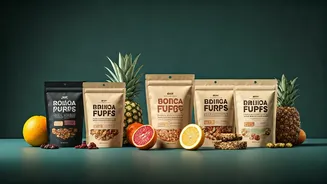
At the heart of this transformation is the direct-to-consumer (D2C) startup. Fueled by a young, urbanizing population with growing disposable incomes and a taste for newness, these challenger brands are rewriting the rules. They offer everything from plant-based proteins and gluten-free snacks to artisanal coffees and healthy, ready-to-eat meals that cater to time-poor but health-conscious millennials. For these small companies, a food expo is an indispensable launchpad. It provides an unparalleled opportunity to get their product out of a home kitchen or a small-batch facility and into the hands of industry gatekeepers—distributors, exporters, and retail executives who hold the keys to national and international markets. A successful showing can mean landing a purchase order that quintuples production overnight.
A Perfect Storm of Opportunity
This startup boom didn't happen in a vacuum. It’s the result of a convergence of powerful trends. India's digital revolution has created a generation of founders who are adept at using social media for marketing and e-commerce platforms for distribution. Simultaneously, a surge in venture capital funding is providing the financial fuel for this ambition. Investors, both domestic and international, see massive potential in India's $700 billion-plus food and grocery market. They're no longer just betting on tech; they're betting on CPG (Consumer Packaged Goods) brands that can scale. The food expo serves as the physical nexus for this digital and financial ecosystem—a place where an Instagram-famous snack brand can secure the funding and logistics partners needed to go from regional favorite to national phenomenon.
Redefining 'Indian Food' for the World
Perhaps the most fascinating aspect of this trend is how it’s changing the very definition of “Indian food.” While traditional flavors remain central, the innovation on display is staggering. You’ll find startups creating pasta from millet, a drought-resistant ancient grain, or developing meat alternatives from jackfruit. Others are reviving regional recipes with modern packaging and a compelling health-focused story. This isn't just about catering to domestic tastes; it's about building global brands. These entrepreneurs are positioning Indian products not as exotic imports, but as high-quality, healthy, and innovative additions to the global pantry. The expo floor is a preview of what will soon be appearing on supermarket shelves in New York, London, and Dubai.