


The Old Is New Again
For decades, the Indian consumer market was taught to aspire to Western goods. Imported meant better, and 'scientific' formulas from multinational corporations were seen as superior to the traditional remedies grandma might recommend. Spices like turmeric
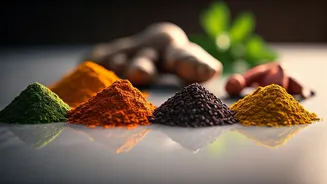
(haldi), herbs like ashwagandha, and seeds like moringa were staples in kitchens and Ayurvedic medicine cabinets for centuries, but they lacked the aspirational glamour of a product from a global brand. This created a curious gap: a country with one of the world's richest traditions in natural wellness was looking outward for health solutions. But as global trends began to celebrate 'superfoods'—many of which originated in India—a new generation of Indian entrepreneurs saw an opportunity not just to reclaim their heritage, but to rebrand it for a new era.
Packaging Tradition for Millennials
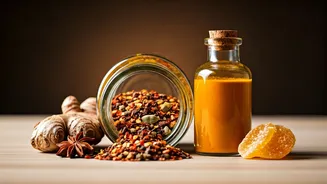
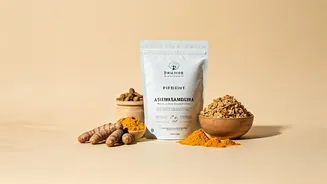
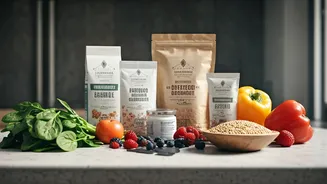
The secret to this new wave of success isn’t just the ingredients themselves, but the presentation. These companies aren’t selling dusty bags of spices; they’re offering beautifully designed, convenient, and aspirational products that fit a modern lifestyle. Think less DIY kitchen paste, more sleek dropper bottles of 'turmeric arc,' ready-to-mix sachets of Ayurvedic herbs, or even ashwagandha gummies. Brands like Kapiva, The Whole Truth, and Vahdam Teas have mastered the art of storytelling. Their messaging focuses on 'clean labels,' 'no artificials,' and the authenticity of sourcing directly from Indian farms. They speak the language of the global wellness movement—provenance, purity, transparency—but apply it to ingredients that resonate deeply with Indian cultural identity. This blend of modern aesthetics and ancient wisdom has proven irresistible to urban, digitally-savvy millennials and Gen Z consumers who are proud of their heritage but demand the convenience of modern products.
The Direct-to-Consumer Playbook
Crucially, these brands didn’t try to fight for space on crowded supermarket shelves next to giants like Unilever and Nestlé. Instead, they went straight to the customer. Leveraging the explosion of e-commerce and social media in India, they adopted a direct-to-consumer (D2C) model. This allowed them to control their own narrative, build a loyal community on platforms like Instagram, and educate consumers about the benefits of their products without a middleman. Through influencer marketing and compelling content, they could explain the difference between their high-potency turmeric and a generic alternative. This digital-first strategy not only cut costs but also fostered a sense of connection and trust that legacy brands struggled to replicate. Customers felt like they were buying into a movement, not just a product.
A Global Trend Comes Home
There's a delicious irony in this trend. For years, Western wellness companies have been 'discovering' and commercializing Indian ingredients, often stripping them of their cultural context and selling them back to the world at a premium. The rise of these new Indian brands represents a powerful act of cultural and commercial reclamation. They are effectively saying, 'We know these ingredients better than anyone, we can source them more authentically, and we can package them in a way that feels both modern and true to their roots.' The global wellness boom, in a way, primed the Indian market. It made ingredients like ashwagandha globally 'cool,' which in turn gave Indian consumers permission to re-embrace them, especially when presented by a brand that felt fresh, confident, and unapologetically Indian.