
The Himalayan Meadow You've Never Heard Of
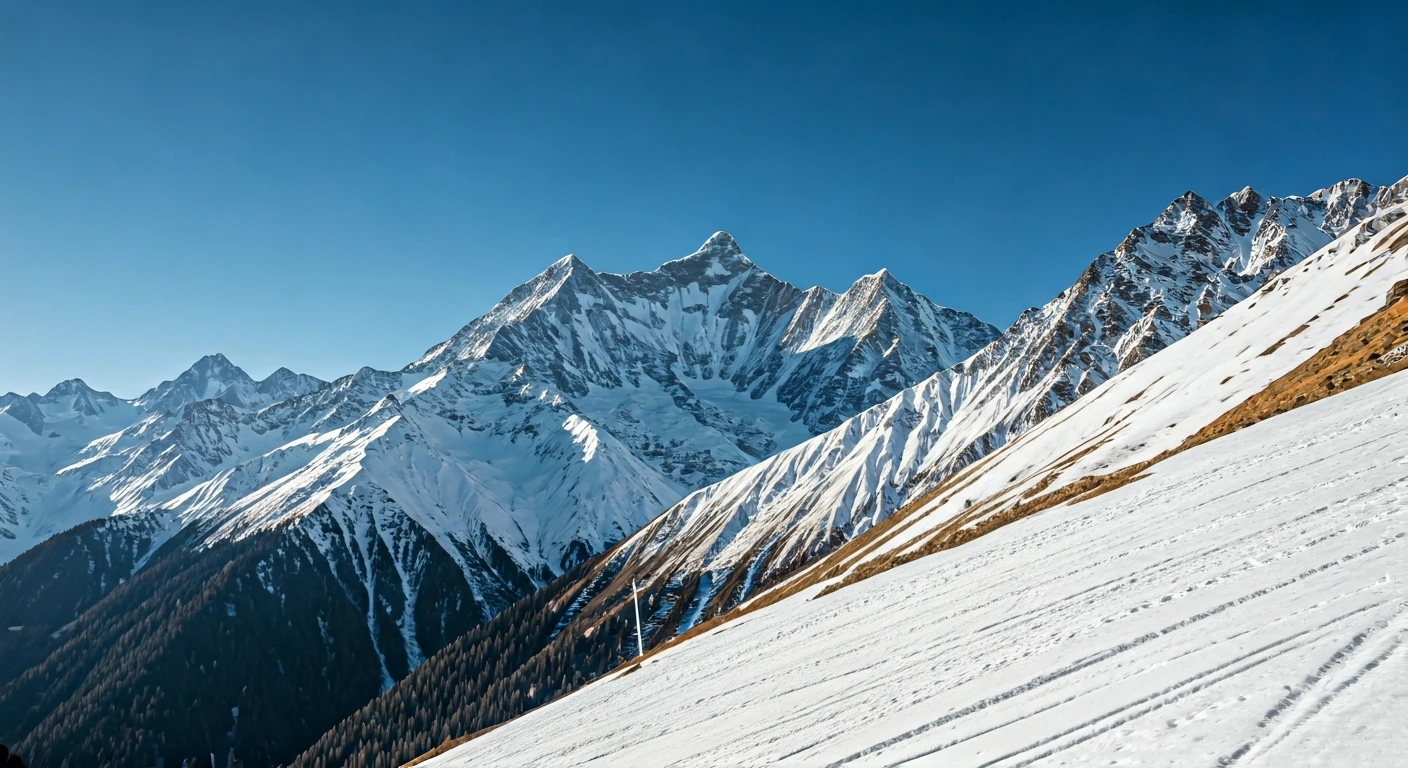
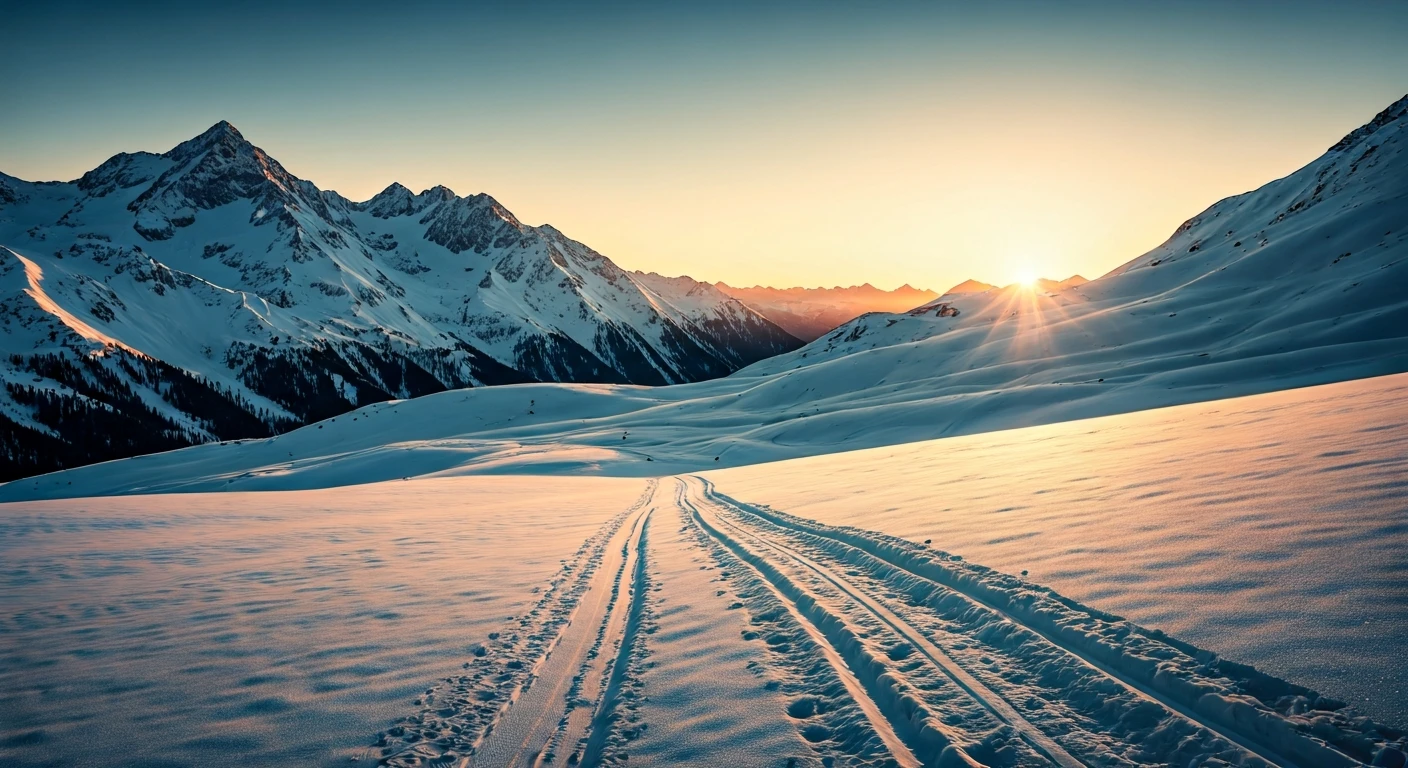
Tucked away in the Chamoli district of Uttarakhand, India, Auli is a name that rings a bell for serious ski enthusiasts in South Asia. During winter, its slopes are a premier destination for skiing and snowboarding. But when the snow melts, Auli undergoes
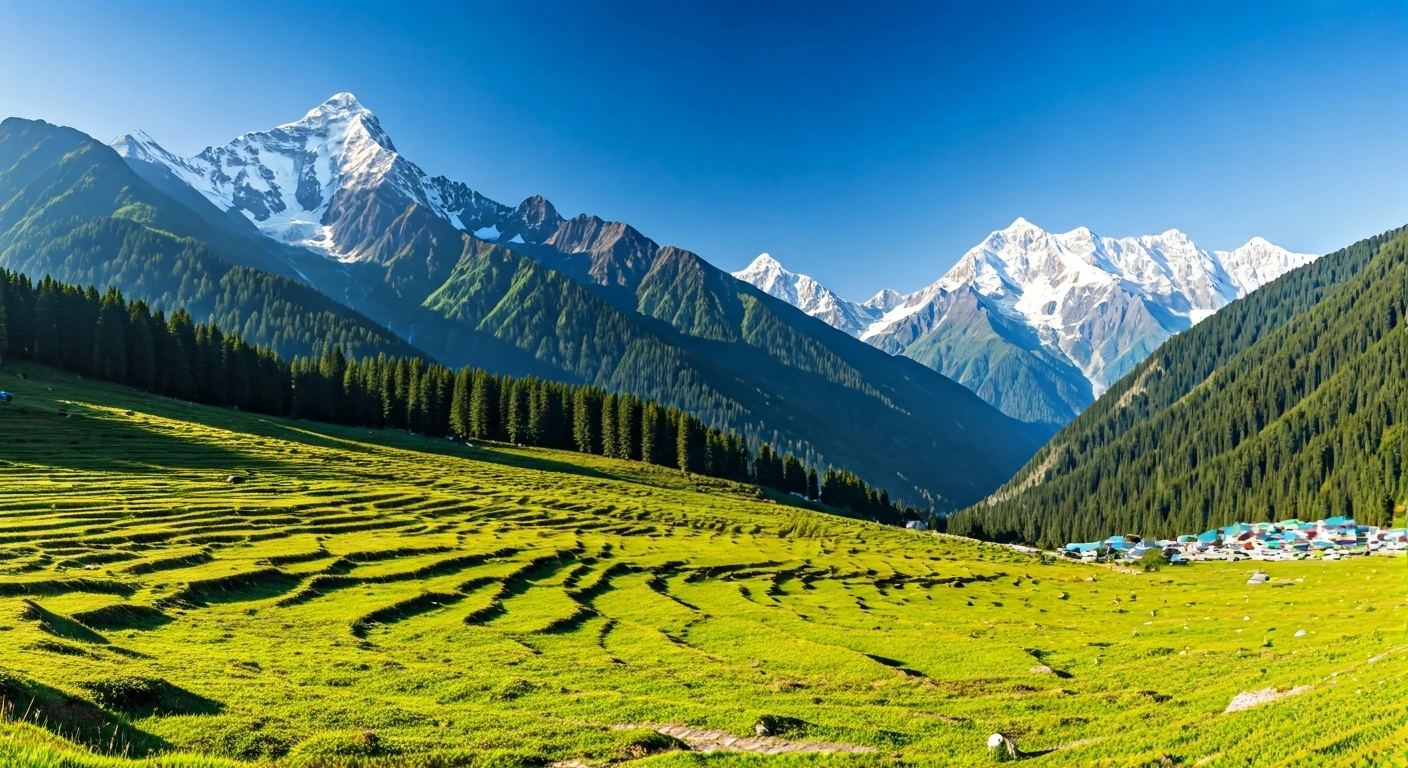
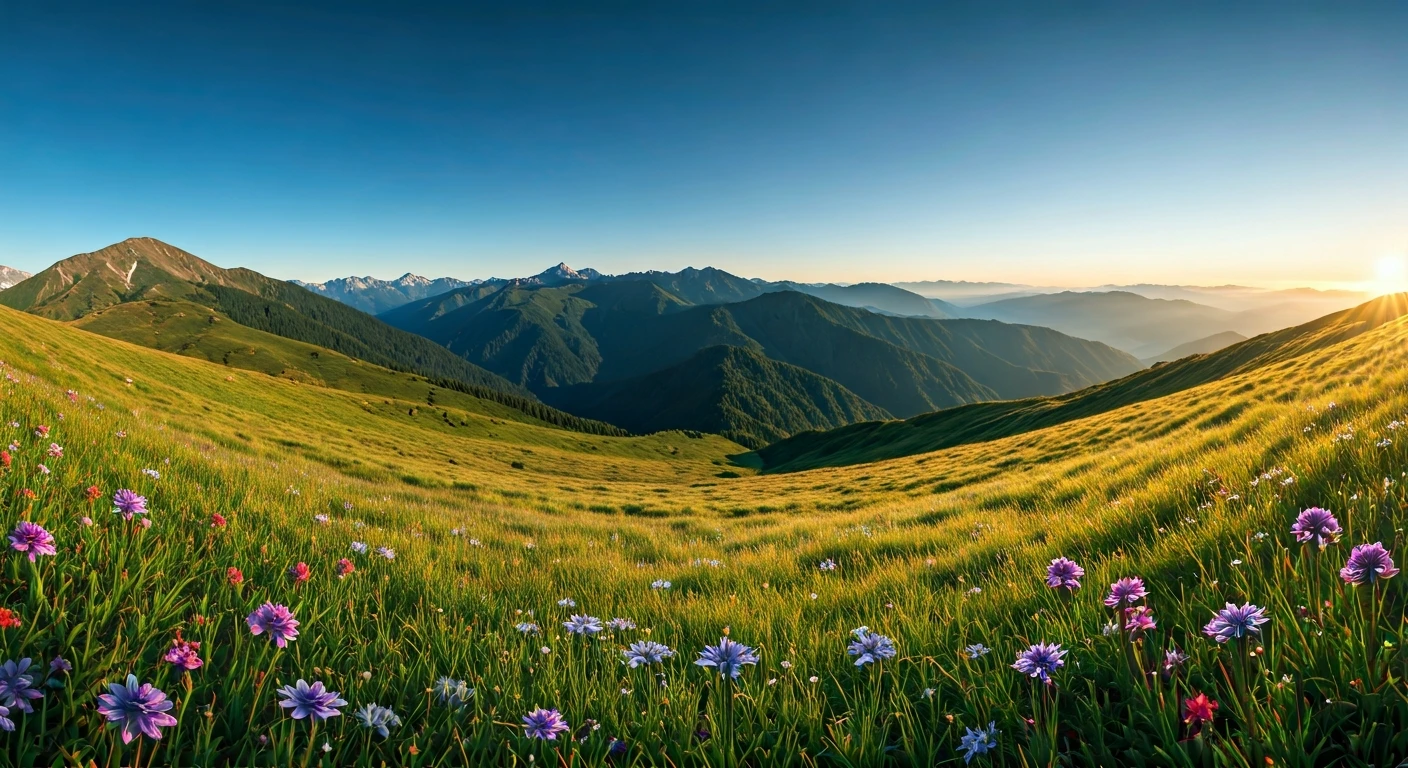
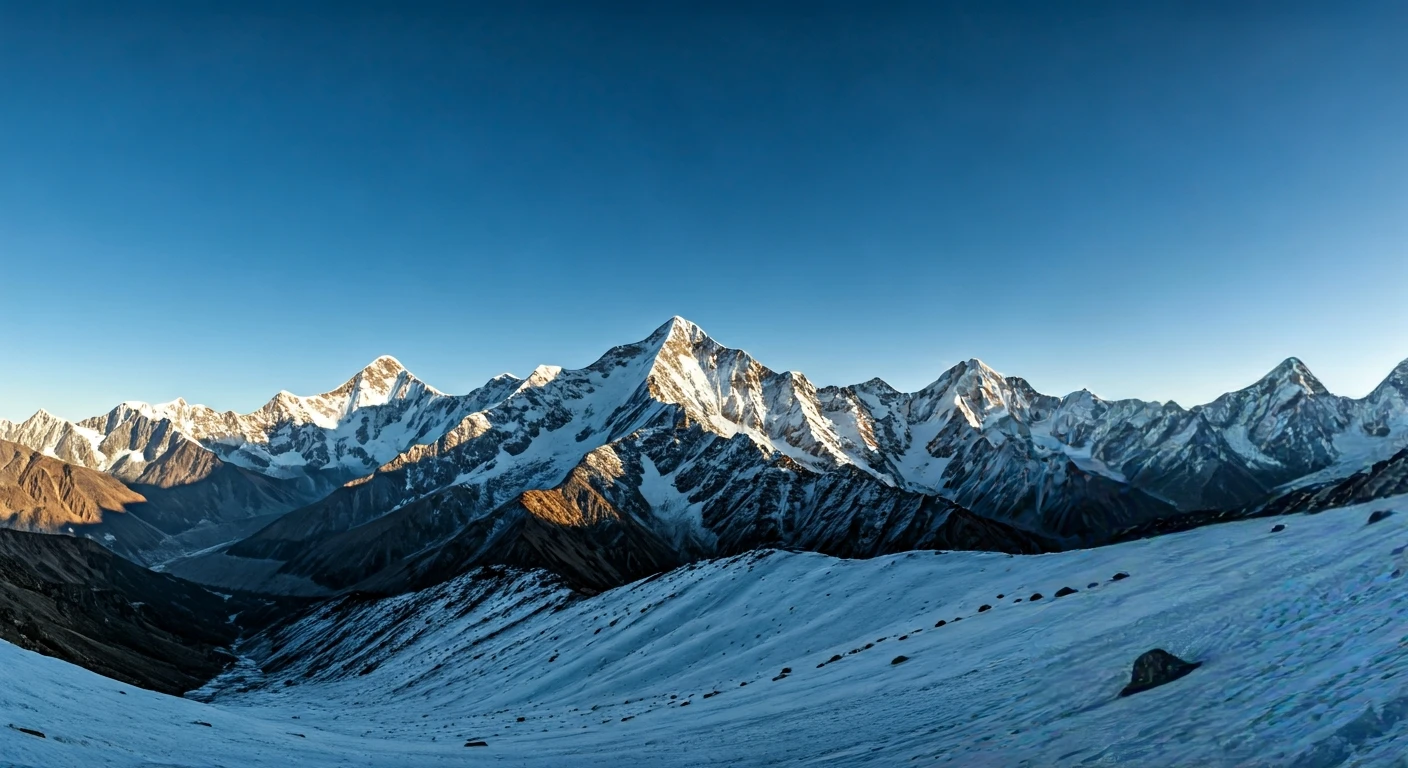
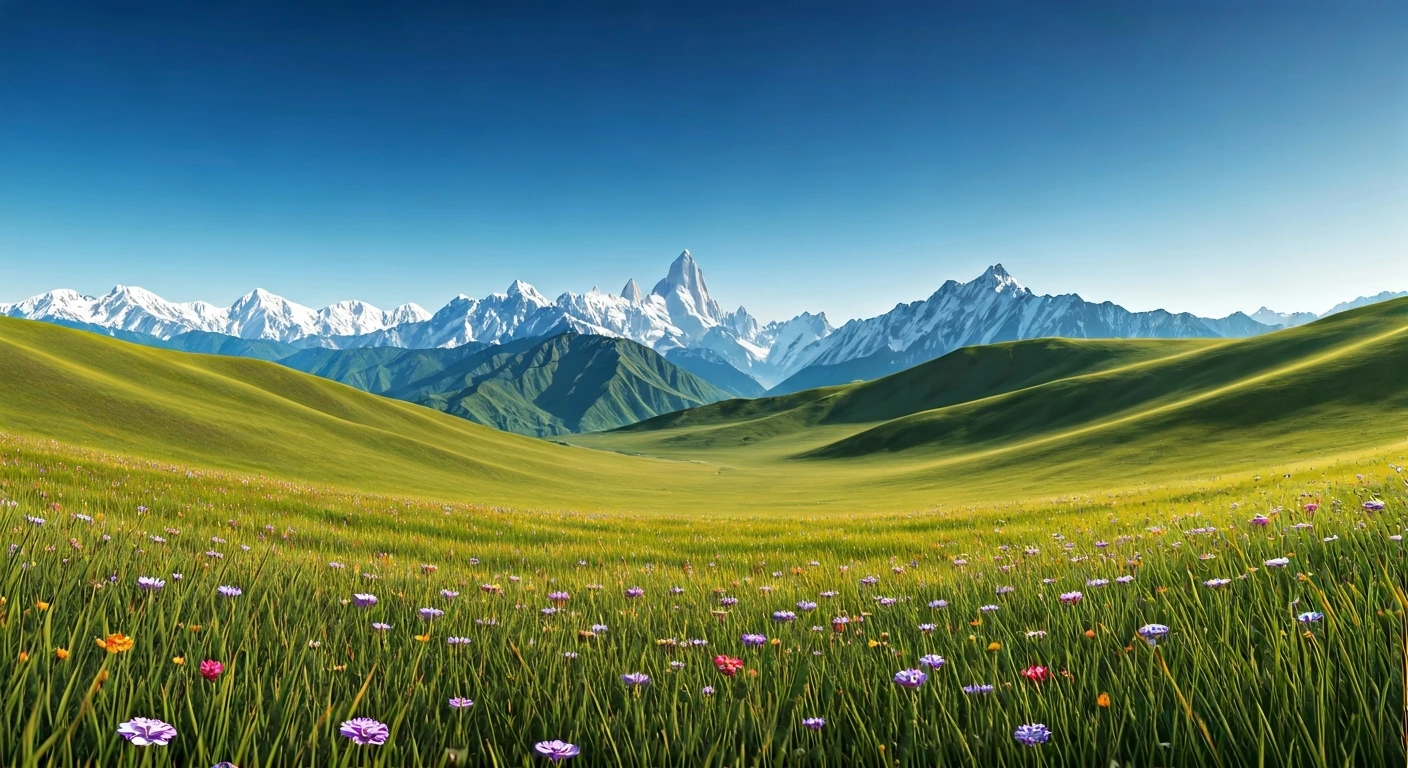
a stunning transformation that remains one of the Himalayas’ best-kept secrets. The ski runs become vast, rolling green meadows, known locally as ‘bugyals.’ Think of it as the off-season in a world-class American ski town like Telluride or Park City, but with a distinctly Himalayan character. Instead of chairlifts over brown slopes, you get panoramic views of some of the tallest mountains on Earth, including the iconic Nanda Devi, India’s second-highest peak.
Why June is the Perfect Window
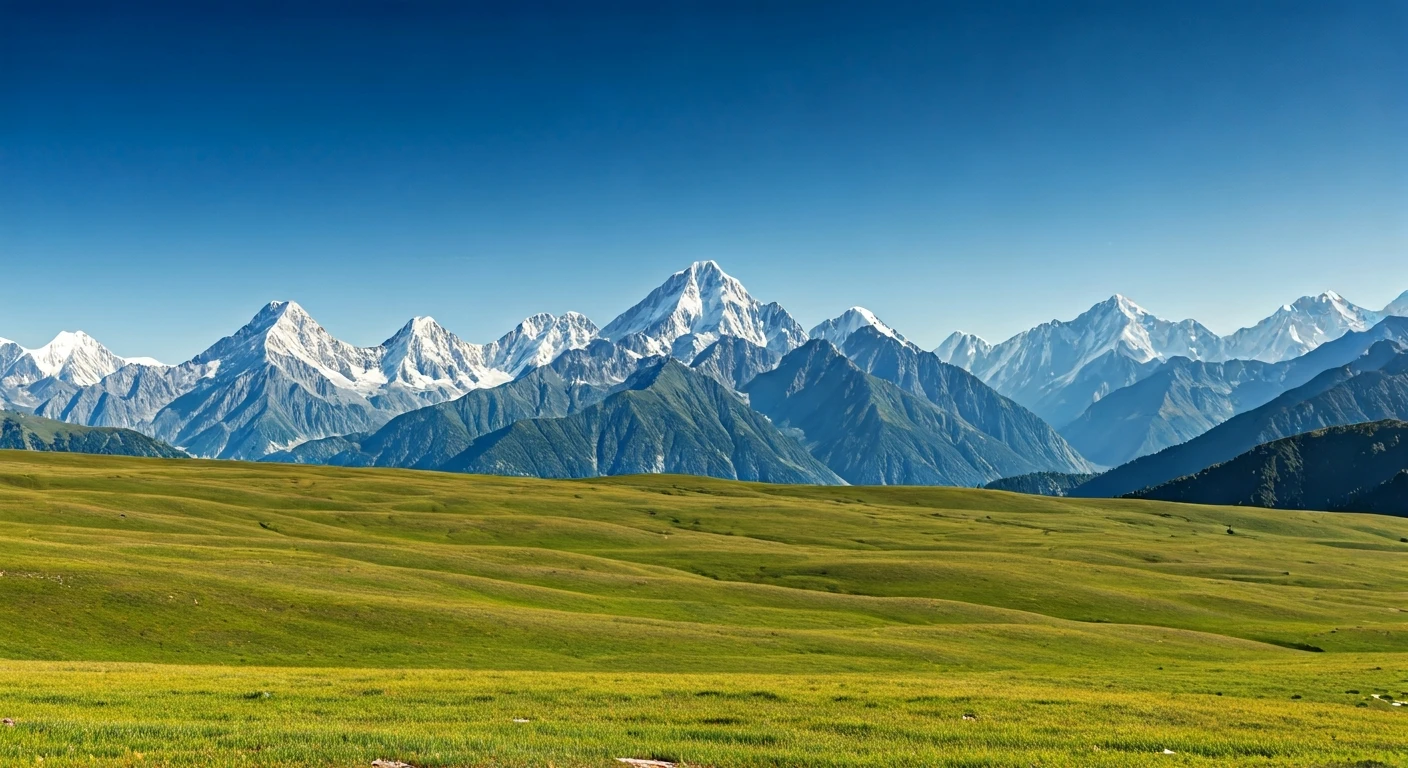
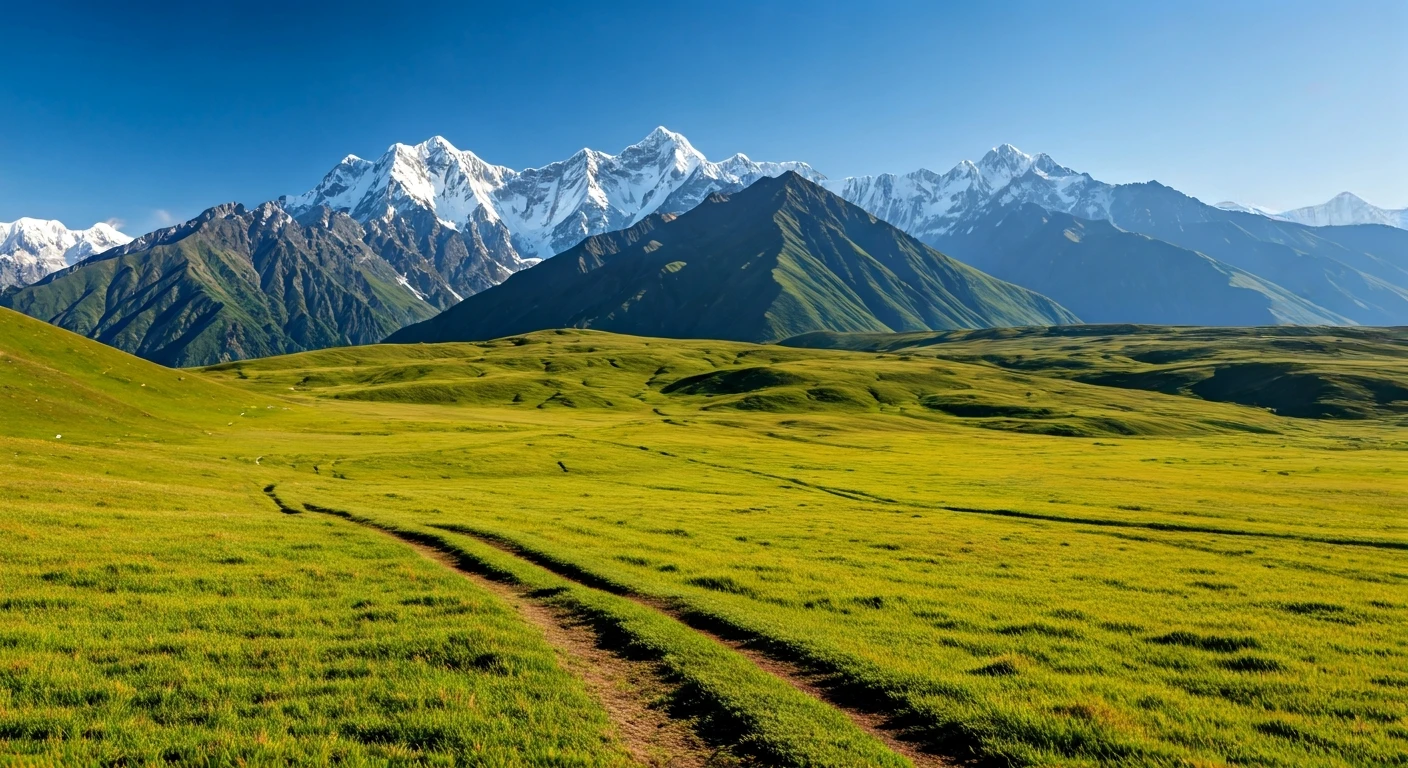
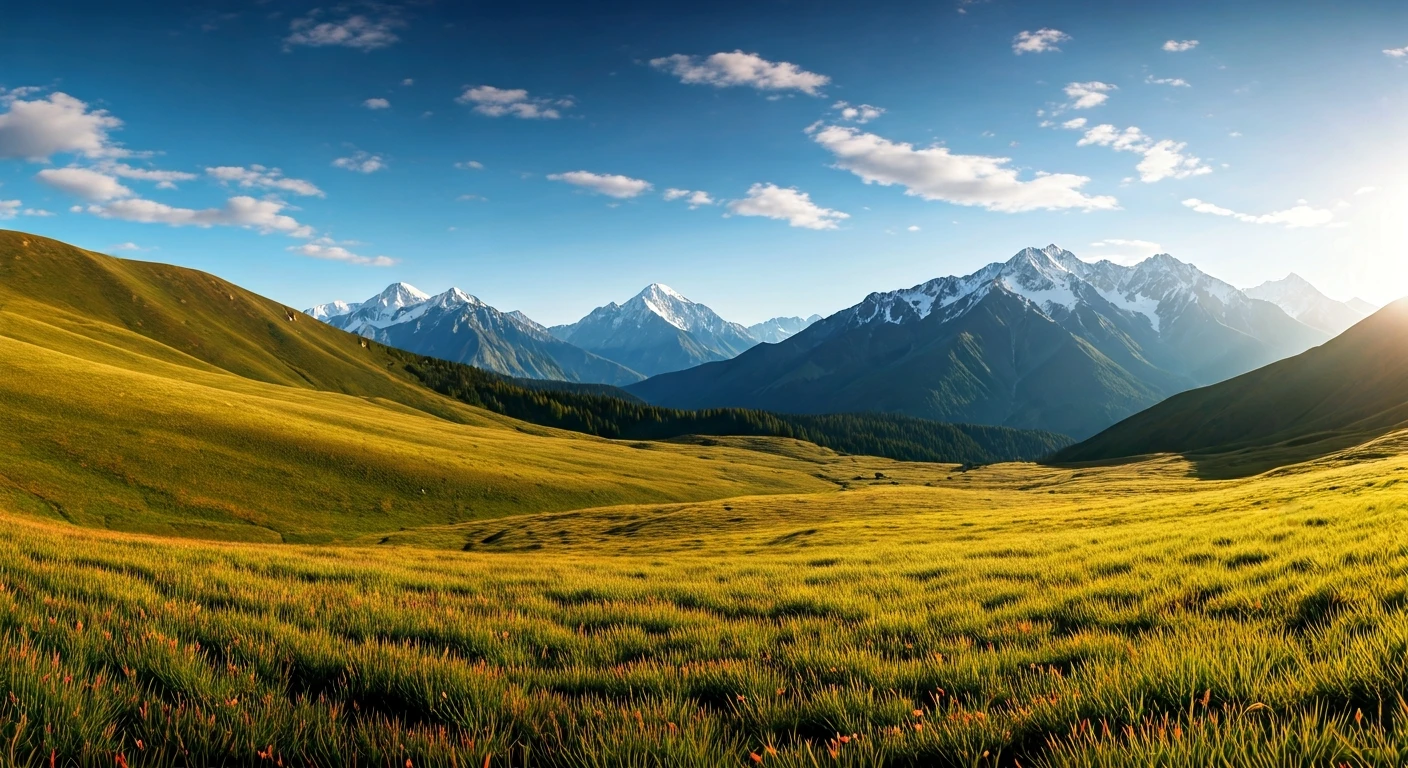
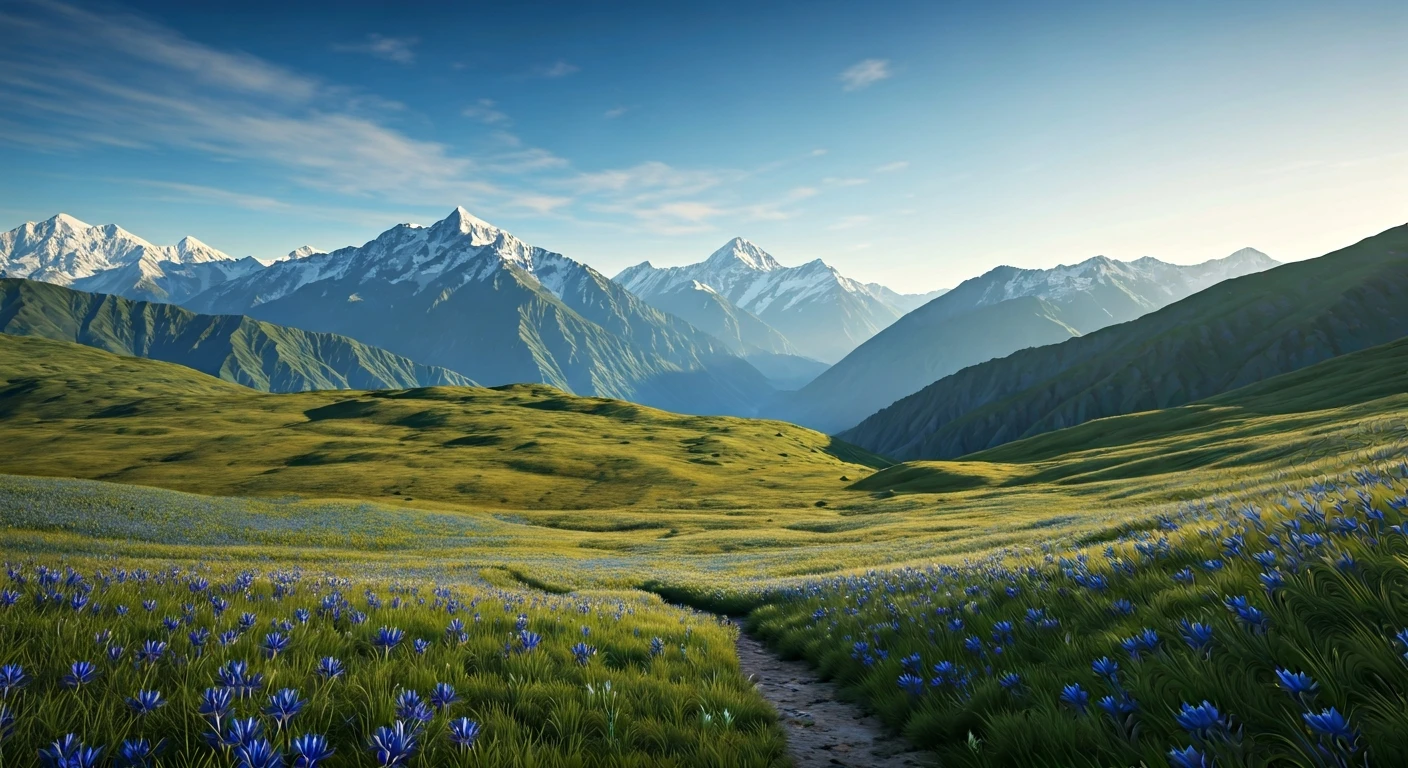
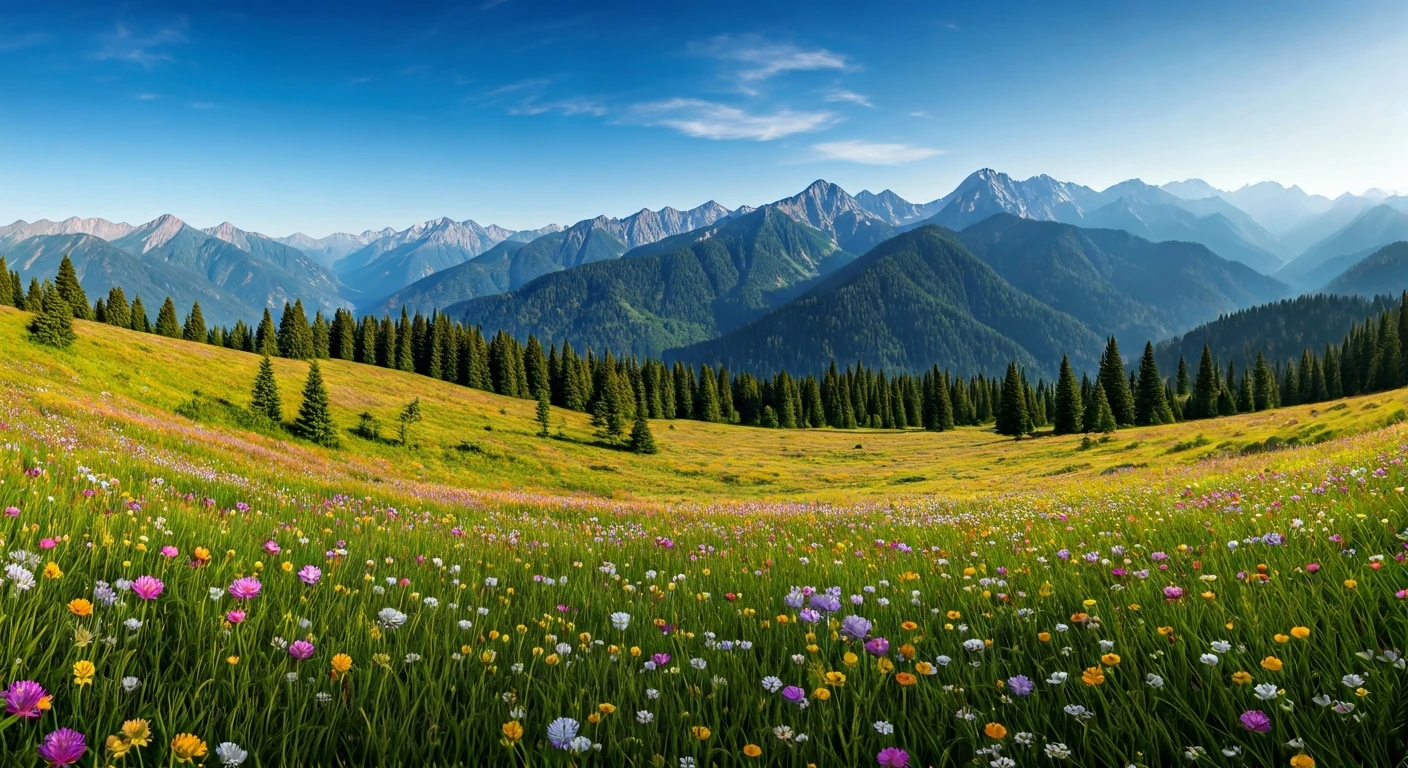
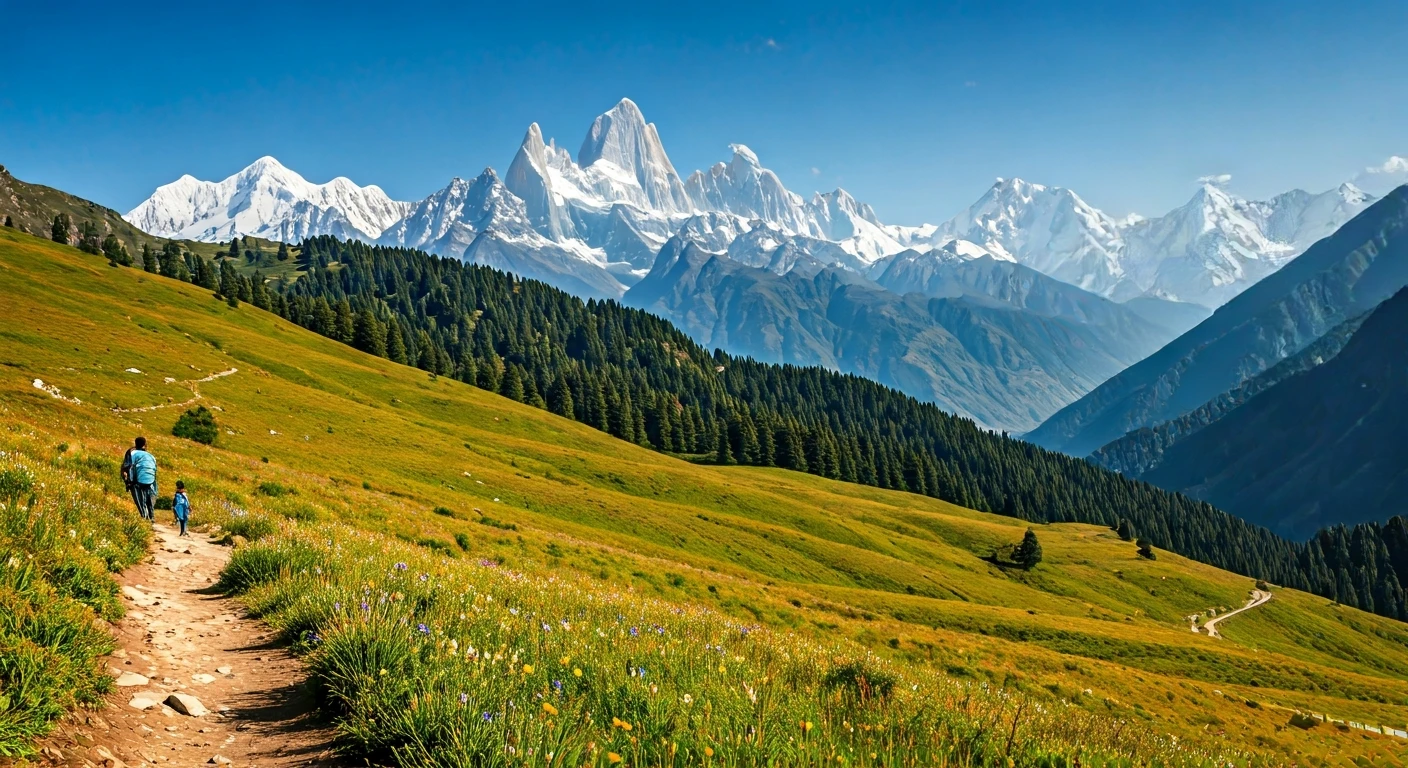
Timing is everything in the mountains, and June is Auli’s sweet spot. The month sits in a perfect pocket of time after the chill of winter has fully receded and before the heavy monsoon rains arrive in July. The weather is typically clear and pleasant, with daytime temperatures comfortable for walking and cool, crisp evenings. The meadows are at their most vibrant, carpeted with a thick layer of grass and dotted with wildflowers. This is the ‘green season,’ when the landscape is lush, the air is clean, and the towering snow-capped peaks of the Nanda Devi and Trishul ranges stand out in sharp relief against brilliant blue skies. It's a photographer's dream and a nature lover’s paradise.
Defining “No-Sweat” Hiking
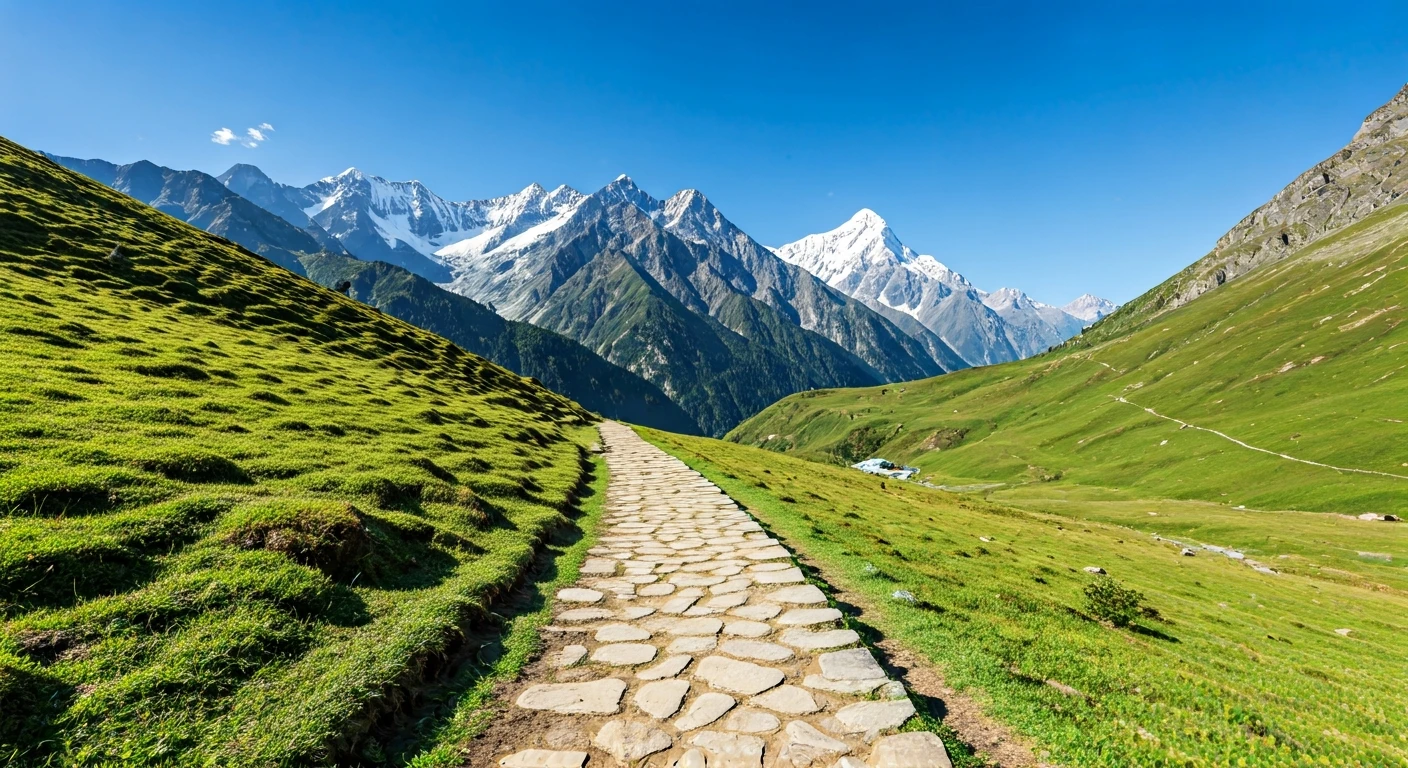
The phrase “Himalayan hiking” often conjures images of strenuous, multi-day treks requiring porters and serious acclimatization. Auli flips that script. The “no-sweat” magic comes from a combination of gentle terrain and smart infrastructure. The main draw is the Auli-Gorson Bugyal trek, a walk that delivers maximum scenic reward for minimal physical investment. The secret weapon is the Auli Ropeway, one of the longest and highest cable car systems in Asia. It connects the town of Joshimath in the valley to Auli’s upper slopes. By taking the ropeway or a chair lift, you bypass the steepest part of the climb, arriving near the top ready to explore. From there, the trail to Gorson Bugyal is a relatively gentle, undulating walk of about two miles through enchanting oak and conifer forests that open up into the expansive meadow. It’s an experience that makes you feel like a seasoned mountaineer without the aching muscles.
More Than Just a Walk
While the Gorson Bugyal trek is the main event, Auli’s appeal isn't limited to a single trail. At the heart of the resort lies the Auli Artificial Lake, a stunning man-made reservoir created to feed the snowmaking machines for the ski season. In June, it’s a serene, mirror-like body of water reflecting the surrounding peaks, making it a perfect spot for a picnic or a quiet afternoon stroll. The area is also rich in culture. The nearby town of Joshimath serves as an important pilgrimage center for Hindus, offering a glimpse into the spiritual traditions that have shaped this mountain region for centuries. For those willing to venture a bit further, a short trek leads to Chattrakund Lake, a small, pristine freshwater lake tucked away in the forest near Gorson Bugyal.
Planning Your Himalayan Escape
For American travelers, reaching Auli is an adventure in itself, requiring some logistical planning. The journey typically begins with a flight into Dehradun's Jolly Grant Airport (DED). From there, it's a long and winding, but incredibly scenic, 9- to 10-hour drive to Joshimath, the gateway town to Auli. The roads are carved into the mountainside, offering breathtaking views of the Ganges River and the deep valleys below. It's wise to break up the journey, perhaps with an overnight stay in the yoga capital of Rishikesh. From Joshimath, you can either drive the final stretch or take the spectacular 2.5-mile cable car ride up to Auli. The journey is part of the experience, slowly immersing you in the rhythm and scale of the world's greatest mountain range.