





Fatty Fish for Healthy Brain Cells
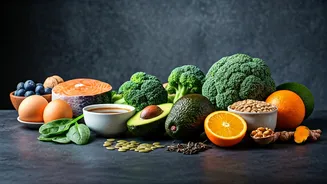
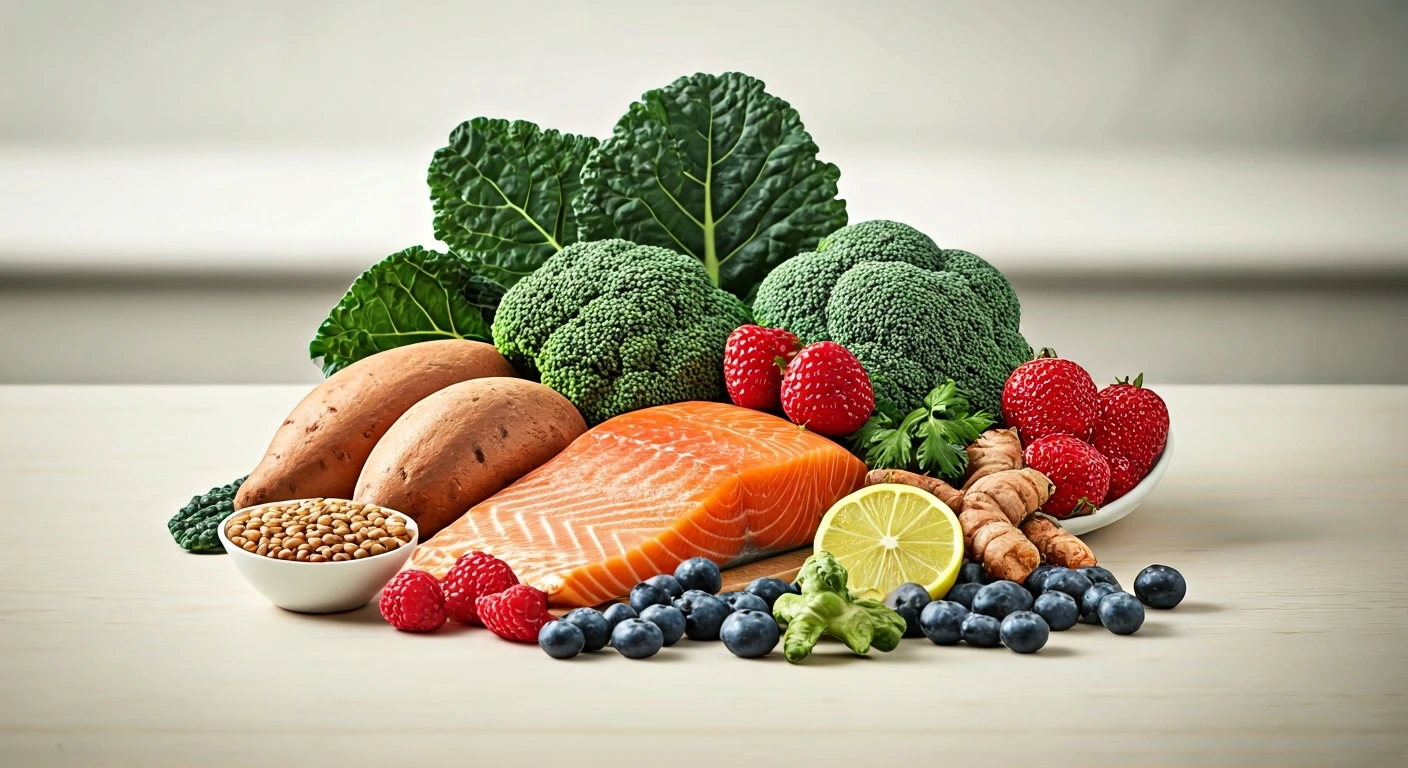
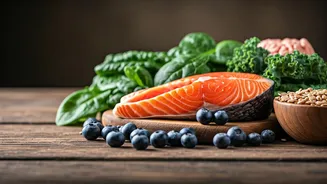
When experts talk about brain food, fatty fish is almost always at the top of the list. Varieties like salmon, mackerel, trout, and sardines are rich in omega-3 fatty acids. About 60% of your brain is made of fat, and half of that fat is the omega-3 type,
specifically docosahexaenoic acid (DHA). Your brain uses DHA to build brain and nerve cells, and these fats are essential for learning and memory. Studies have linked a diet rich in omega-3s to a lower risk of age-related cognitive decline and a reduced risk of neurodegenerative diseases. Not a fan of fish? You can also find omega-3s in flaxseeds, chia seeds, and walnuts, or consider talking to a doctor about a high-quality fish oil supplement.
Berries for Antioxidant Protection
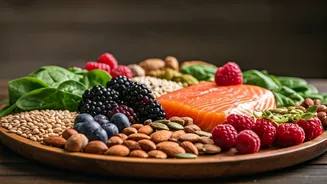
Blueberries, strawberries, and blackberries don't just add a splash of color to your oatmeal; they deliver a powerful dose of flavonoid antioxidants. These compounds are thought to help by reducing inflammation and oxidative stress throughout the body, including the brain. Oxidative stress is a key contributor to brain aging and can negatively affect brain function. The antioxidants in berries, particularly anthocyanins, have been shown to accumulate in the brain and help improve communication between brain cells. Some studies in older adults have found that regular consumption of berries can help delay memory decline. For an easy win, toss a handful into your morning smoothie, yogurt, or salad.
Leafy Greens for Slower Decline
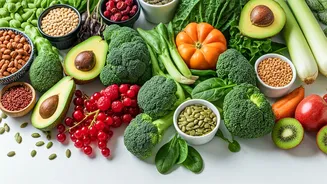
Your mother was right: eat your greens. Leafy vegetables like kale, spinach, collards, and broccoli are packed with brain-friendly nutrients including vitamin K, lutein, folate, and beta carotene. Research suggests these nutrients may help slow cognitive decline. Vitamin K, for instance, is involved in forming sphingolipids, a type of fat that's densely packed into brain cells. Some studies have linked a higher intake of vitamin K to better memory. The best part is how easy they are to incorporate. Sauté spinach with garlic as a side dish, use kale as a base for your salad, or blend it into a green smoothie to mask the taste while reaping the benefits.
Nuts and Seeds for Vitamin E
A handful of nuts or seeds makes for a perfect afternoon snack that also does your brain a favor. Many nuts and seeds are excellent sources of vitamin E, an antioxidant that helps protect cell membranes from free radical damage. As we age, our brains are more susceptible to this kind of oxidative stress, and studies have associated a higher intake of vitamin E with slower cognitive decline. Walnuts are a particularly good choice because they also contain a high concentration of omega-3 fatty acids. Almonds, sunflower seeds, and hazelnuts are also top contenders. Aim for an ounce a day to get a solid dose without overdoing it on calories.
Turmeric for Anti-Inflammatory Action
This deep-yellow spice, a staple in curry powder, contains a compound called curcumin. Curcumin is the active ingredient responsible for turmeric's potent anti-inflammatory and antioxidant benefits. It’s been shown to cross the blood-brain barrier, meaning it can directly enter the brain and benefit the cells there. While research is ongoing, curcumin has been linked to improved memory in people with age-related memory complaints and may help clear the amyloid plaques that are a hallmark of Alzheimer's disease. To increase its effectiveness, always consume turmeric with a pinch of black pepper, which contains piperine—a substance that enhances curcumin absorption by up to 2,000%. Try it in a golden milk latte or sprinkled on roasted vegetables.
Dark Chocolate for a Quick Boost
Good news for chocolate lovers: a small amount of the dark stuff can be good for your brain. Dark chocolate (70% cacao or higher) and cocoa powder are packed with flavonoids, caffeine, and antioxidants. The flavonoids in chocolate gather in the areas of the brain that deal with learning and memory. Researchers suggest these compounds may enhance memory and also help slow down age-related mental decline. The caffeine and theobromine in chocolate can also provide a short-term boost in mental alertness and mood. Just remember that moderation is key; a small square is all you need to get the cognitive perks without the excess sugar and fat found in milk chocolate.