




What Exactly Is 'Vegan Leather'?
Before you can trust it to protect your prized sofa, it helps to know what vegan leather actually is. The term is a broad umbrella for materials that mimic the look and feel of real leather without using animal products. In the context of furniture covers,
you'll most often encounter two main types: polyurethane (PU) and polyvinyl chloride (PVC). PU leather is the star player here. It's made by applying a flexible polymer coating to a fabric base, like cotton or polyester. The result is a softer, more breathable, and more pliable material that closely resembles genuine leather. PVC, on the other hand, is a plastic-based material that is generally less flexible and can sometimes feel more like vinyl. For sofa covers, high-quality PU is almost always the superior choice due to its durability and more comfortable texture.
The Secret Weapon Against Claws and Spills
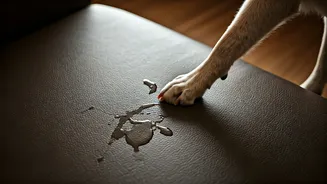
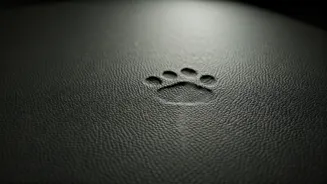
So, what makes this material a pet owner’s dream? It comes down to its fundamental structure. Unlike woven fabrics like chenille, tweed, or linen, vegan leather has a solid, non-porous surface. This is critical for two reasons. First, there are no threads for claws to snag and pull. When a cat tries to scratch it, their claws tend to slide off the surface rather than digging in and creating pulls and frays. While no material is completely indestructible, a high-quality PU cover is exceptionally scratch-resistant. Second, the solid surface makes it incredibly easy to clean. Fur and dander don't embed into the fibers; they sit on top, ready to be wiped away. Spills, muddy paws, and minor accidents can be cleaned with a simple damp cloth, preventing stains from ever reaching your sofa’s upholstery.
Not All Covers Are Created Equal
Simply choosing vegan leather isn’t enough; the quality of the cover itself is paramount. A cheap, poorly designed cover will just slide around, creating a new kind of frustration. The first thing to inspect is the backing. Look for covers with a non-slip feature, such as small silicone dots or a textured rubberized grip on the underside. This prevents the cover from bunching up or sliding off the couch every time someone—or some pet—sits down. Next, consider the securing mechanism. The best covers come with sturdy, adjustable elastic straps that hook around the back of the sofa or under the cushions. Some also feature foam anchors that you can tuck deep into the crevices between the cushions and the frame, providing an extra layer of security. A cover that stays put is a cover that actually protects your furniture.
Getting the Perfect Fit and Function
A poorly fitting cover is almost as ineffective as no cover at all. Before you buy, take the time to measure your sofa. Manufacturers provide sizing guides based on the seating width (the area between the armrests). Measure this distance carefully to ensure you select the right size, whether it’s for a chair, loveseat, sofa, or oversized sectional. Pay attention to armrest and back height as well. While vegan leather is wonderfully wipeable for daily messes, you’ll eventually want to give it a deeper clean. Check if the cover is machine washable. Many high-quality PU covers are designed to be washed on a gentle cycle with cold water and then air-dried. This feature is invaluable for dealing with more significant soiling or just for a seasonal refresh. Always follow the manufacturer's care instructions to the letter to preserve the integrity of the material and its water-resistant properties.