



The Magic of the 'Shoulder Season'
In the travel industry, the periods between peak and off-season are known as “shoulder seasons.” For most of the U.S., this means late spring (after spring break but before summer) and, most notably, the fall months of September through November (after Labor
Day but before the holiday rush or ski season begins). During this time, resorts that are bustling in July or January suddenly have empty rooms to fill. To attract guests, they often slash prices significantly. A mountain lodge that commands top dollar for its summer hiking access or winter ski-in/ski-out convenience might offer rooms at a 20-40% discount in October. This price drop transforms a once-aspirational splurge into a practical and repeatable weekend move. You get the same high-end amenities, stunning location, and comfortable accommodations for a fraction of the cost, making it the single smartest time to book.
Fewer Crowds, More Serenity
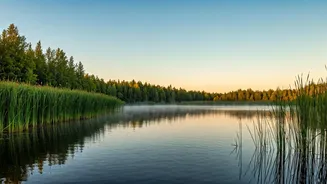
The financial benefit is just the beginning. The real luxury of a shoulder season trip is the tranquility. The trails that were packed with hikers in August are now quiet, offering moments of genuine solitude. The lakeside towns that buzzed with activity are now peaceful, allowing you to wander through shops and cafes at a leisurely pace. Getting a dinner reservation at that sought-after resort restaurant is suddenly effortless. This absence of crowds fundamentally changes the nature of your escape. Instead of navigating queues and competing for space, you’re free to simply connect with your surroundings. The entire experience feels more personal and restorative, which is often the primary goal of a nature getaway in the first place. You’re not just saving money; you’re buying back peace and quiet.
Experience Nature’s Quieter Beauty
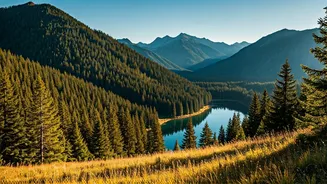
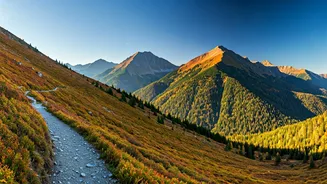
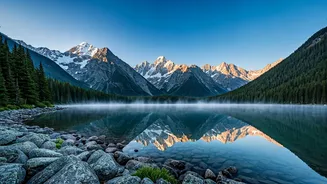
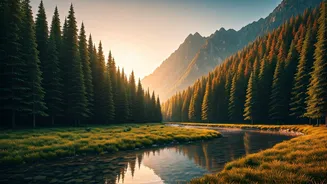
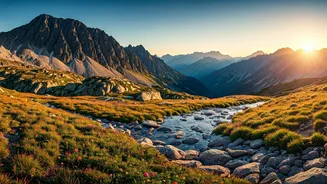
A landscape in transition has its own unique and often more dramatic beauty. Autumn, in particular, delivers a spectacular visual payoff. The vibrant fall foliage in places like New England, the Blue Ridge Mountains, or the upper Midwest creates a breathtaking backdrop for any activity. The air is crisp and cool, perfect for hiking or sitting by an outdoor fire pit. Wildlife patterns also shift; animals may be more active during the day as they prepare for winter, offering better viewing opportunities. In the spring shoulder season, you witness the world reawakening—budding trees, melting snowpack feeding into dramatic waterfalls, and the return of migratory birds. These aren't the “lesser” versions of summer or winter; they are distinct, beautiful seasons in their own right, and resorts that cater to nature lovers are perfectly positioned for you to enjoy them.
Where to Look for Your Getaway
The key is to target destinations that have pronounced high seasons. Think of classic summer vacation spots or major winter ski resorts. For an autumn trip, look at mountain towns in Colorado, Utah, or Vermont after the summer rush and before the snow falls. Resorts near popular national parks like Zion, Yellowstone, or Acadia often see a drop-in-demand once school is back in session. Lakeside resorts in places like the Great Lakes region or the Finger Lakes in New York become incredibly affordable and serene after Labor Day. For a spring trip, consider desert destinations like Scottsdale or Palm Springs after the peak winter “snowbird” season has ended but before the scorching summer heat arrives. The goal is to find a place that is phenomenal year-round but has its pricing dictated by a specific season of activity.
Tips for Booking Your Off-Peak Escape
To maximize your advantage, a little strategy goes a long way. First, be flexible with your dates. A midweek stay in October will almost always be cheaper than a weekend. Second, sign up for newsletters from resorts you’re interested in; they often send out exclusive deals to their mailing lists to fill rooms during slower periods. Third, don't just look at booking sites. Sometimes, calling the resort directly can unlock special packages that include things like dining credits or spa treatments, which they use to add value when they can’t discount the room rate any further. Finally, look for “stay three nights, get the fourth free” types of promotions, which are common during shoulder seasons and can make a long weekend even more affordable.