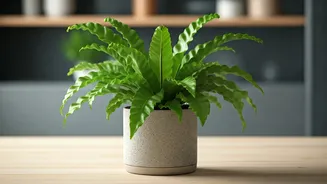







The Obvious Answer: Pet Safety First
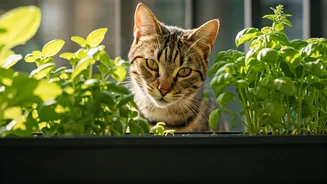
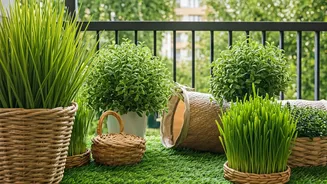
The most straightforward reason is also the most important: many common houseplants are toxic to cats and dogs. A curious nibble on a lily, tulip, or sago palm can lead to anything from mild gastrointestinal upset to severe kidney failure or even death.
New and veteran pet owners are often unaware of the dangers lurking in their living room decor. The ASPCA (American Society for the Prevention of cruelty to Animals) maintains one of the most comprehensive and trusted databases of toxic and non-toxic plants, complete with images and lists of symptoms. When someone in a pet food forum asks for advice, they are signaling that they are a conscientious owner. The community responds in kind. Sharing the ASPCA list is a simple, effective act of communal care. It’s the digital equivalent of a neighbor warning you about a loose step. It addresses a critical, often overlooked, aspect of home safety for pets, moving beyond diet to the animal's entire environment.
The Rise of the ‘Pet Parent’
But this is about more than just practical safety tips. It's about a cultural shift in how Americans view their pets. Over the past few decades, the role of pets has evolved from property to cherished family members. This “humanization” of pets means owners, especially millennials and Gen Z, often see themselves as “pet parents” rather than just owners. With this parenting mindset comes a new level of anxiety and a desire to control every variable for their pet’s well-being.
This is where the pet food forum, a space dedicated to optimizing one aspect of a pet’s life (nutrition), naturally bleeds into others. The person obsessing over protein percentages in dog food is the same person who will worry if their monstera plant is toxic. The anxiety is holistic. Sharing the plant list is an acknowledgment of this shared, all-encompassing responsibility. It validates the user’s concern and expands the circle of care beyond the food bowl.
Forums as All-Purpose Support Groups
Specialized online forums rarely stay on topic forever. They evolve. A forum that starts with a narrow focus, like a specific brand of cat food or a particular dietary philosophy, inevitably becomes a broader support system. Members build rapport and trust. They celebrate new adoptions, mourn losses, and troubleshoot behavioral quirks. The forum transforms from a transactional information exchange into a relational community.
In this context, sharing a plant list is a community-building exercise. It says, “We’re not just here to talk about Brand X; we’re here to help each other be the best pet parents we can be.” The topic of food is merely the entry point. The real purpose of the community becomes mutual support across all facets of pet ownership. The ASPCA list is a perfect piece of “off-topic” content because it’s universally relevant to the group's core identity, even if it’s not about the forum’s stated subject.
The Power of a Trusted Source
Finally, there’s a reason it’s almost always the ASPCA’s list. In an internet flooded with misinformation, affiliate-link-laden blogs, and dubious advice, brand trust is paramount. The ASPCA is one of the oldest, most respected animal welfare organizations in the country. Its information is seen as impartial, scientific, and motivated purely by animal well-being.
When a user shares an ASPCA link, they are borrowing that authority. They aren't just sharing an opinion; they are providing a resource from a gold-standard source. This is crucial in high-anxiety communities where every piece of advice is scrutinized. No one wants to be responsible for recommending a blog post that misidentifies a deadly plant as safe. The ASPCA list is a safe, reliable, and definitive answer, which is exactly what a worried pet parent is looking for. It short-circuits debate and provides immediate, actionable peace of mind.