






The Dangerous Allure of Rainy-Day FOMO
Scroll through Instagram or TikTok, and you’ll find an entire genre dedicated to the romance of rain. Influencers post from the misty trails of the Pacific Northwest, the dramatic monsoons of Southeast Asia, or the fog-blanketed coasts of New England.
It’s a powerful fantasy, one that triggers a potent sense of FOMO (Fear Of Missing Out). We see the perfect shot—the steam rising from a coffee cup against a rain-streaked window—and we want to be there. The problem is that this curated reality often edits out the danger. That gentle stream you plan to hike alongside can become a raging torrent in minutes. That scenic coastal highway can be inundated by storm surge. The pressure to not miss out on a perceived experience can lead travelers to downplay or ignore serious weather warnings, turning a dream vacation into a potential disaster.
Understanding the Real Threat: Flash Floods
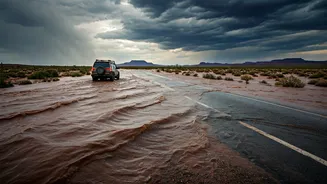
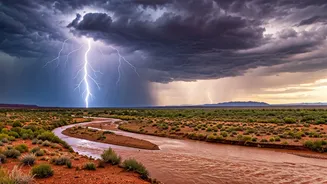
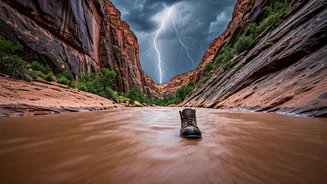
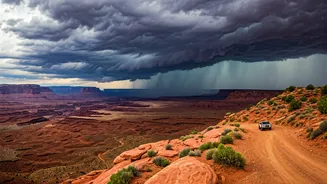
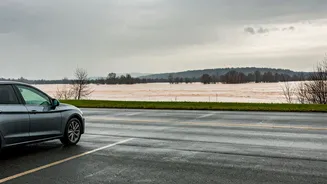
Not all floods are slow-moving disasters you see on the news. For travelers, the most acute danger often comes from flash floods—rapid and extreme flows of high water in a normally dry area or a rapid rise in a stream or river. They can occur with little to no warning, even in places where it isn't currently raining. A heavy thunderstorm miles upstream in the mountains can send a wall of water rushing through a desert canyon where hikers are enjoying a sunny day. This is a common scenario in popular U.S. destinations like the national parks of Utah and Arizona. Similarly, urban areas with poor drainage can flood in minutes, turning streets into impassable rivers and trapping cars. According to the National Weather Service, it takes only six inches of fast-moving water to knock over an adult and just a foot of water to sweep a vehicle away. For an unsuspecting tourist, these are life-threatening statistics.
Your Pre-Trip Safety Checklist
Responsible travel in potentially rainy regions starts long before you pack your bags. Instead of just booking based on a pretty picture, integrate these safety steps into your planning:
1. Research the Season: Don't just look at average temperatures; understand the region’s weather patterns. Is it monsoon season? Hurricane season? Is the area prone to spring thaws that cause river swelling?
2. Check a Flood Map: Many U.S. counties and national parks have publicly available flood-risk maps. A quick search for "[Your Destination] flood map" can reveal if your hotel or planned hiking trails are in a high-risk zone.
3. Sign Up for Alerts: Before you go, find out what the local emergency alert system is. Many counties use reverse 911 or have a public alert system you can sign up for. For national parks, check the official NPS website for their current conditions and alert systems.
4. Pack for the Worst: Beyond a rain jacket, have a go-bag with a portable phone charger, a small first-aid kit, and extra water and snacks. And always, always have a non-digital map of the area in case cell service goes down.
Situational Awareness on the Ground
Once you’ve arrived, your most important tool is your own judgment. Stay vigilant and prioritize safety over your itinerary. Never camp in a dry riverbed, no matter how calm the weather seems. If you're hiking in a canyon or near a river, be aware of the sky upstream and have multiple escape routes to higher ground planned. Pay attention to local news and weather reports. If authorities issue a flood watch or warning, take it seriously. A 'watch' means conditions are favorable for flooding; a 'warning' means flooding is imminent or already occurring. Finally, live by the simple but life-saving mantra of the "Turn Around, Don't Drown" campaign. Never drive, walk, or swim through floodwaters. You can't tell how deep the water is or how strong the current is, and the road beneath could be washed out. It is never worth the risk.