
From Foreign Goods to Farm Stories
For decades, the ultimate food flex in urban India was about access to the outside world. A relative returning from “foreign” with a bag full of Toblerone bars and Pringles was a celebrated event. Dining out meant lavish buffets at five-star hotels, where
the sheer quantity and the presence of imported cheese and cold cuts signified luxury. Status was about consuming what was scarce and expensive—often, things that weren't Indian. This performance of prosperity was a direct reflection of a post-liberalization economy. As India opened up in the 1990s, global brands became the ultimate markers of arrival. To eat or drink something from abroad was to show you were part of a new, globalized India. That mindset is now being replaced by something far more nuanced.
The New Definition of 'Good'
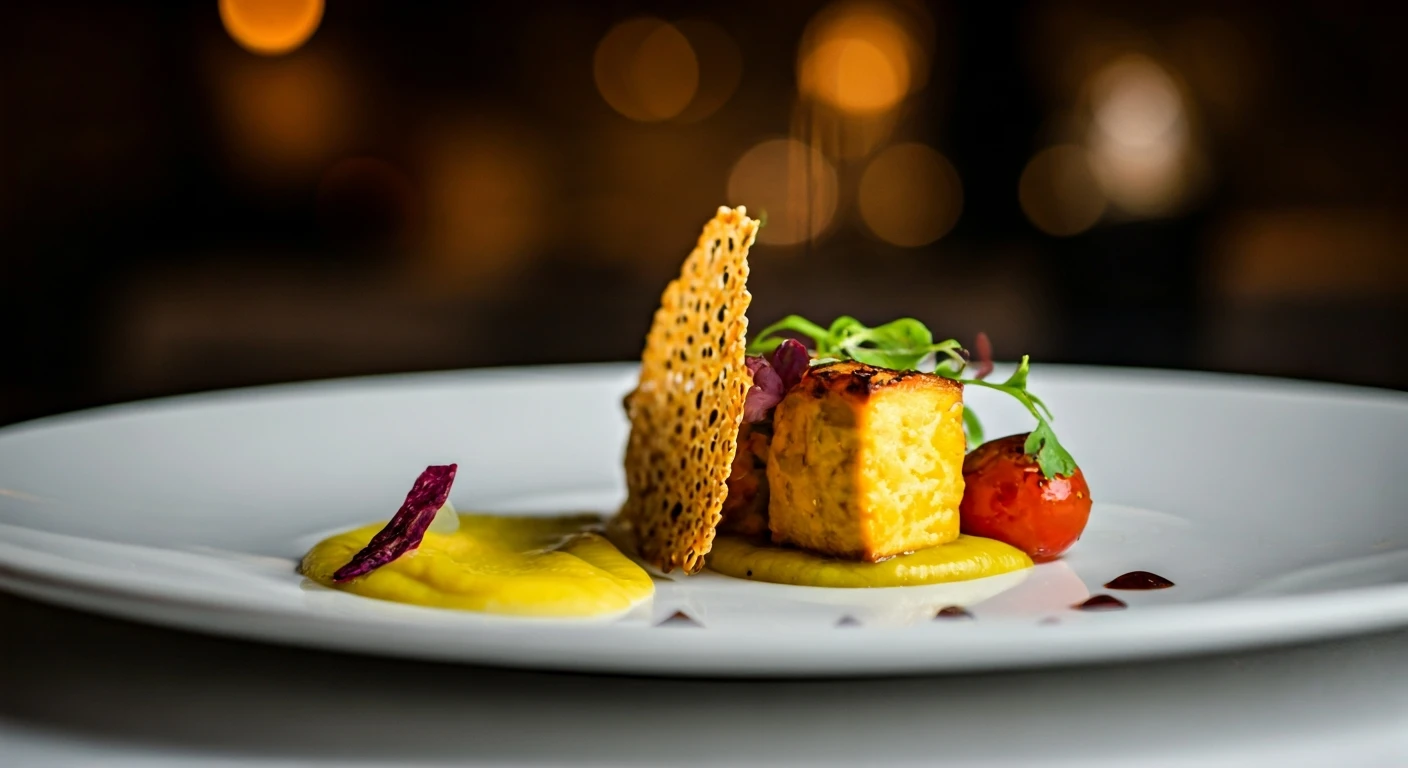
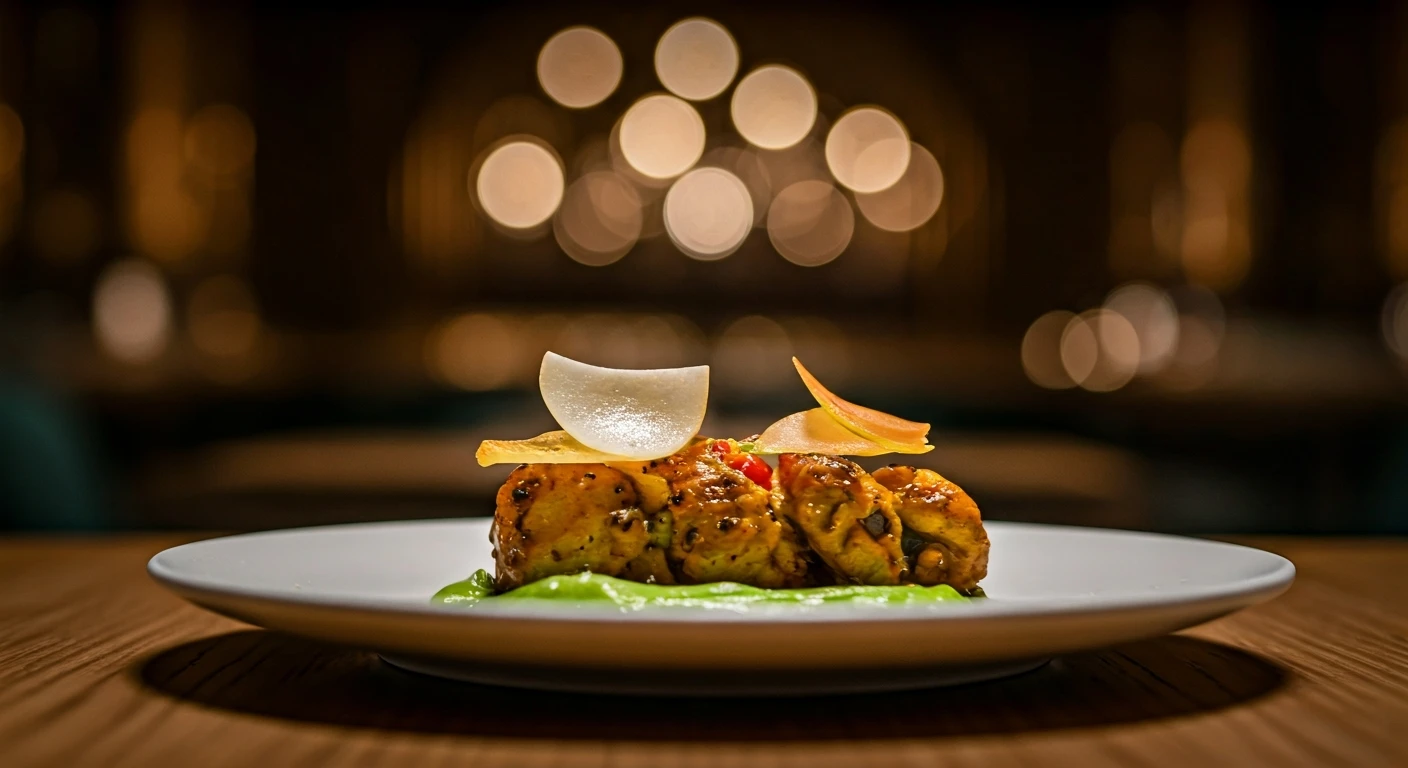
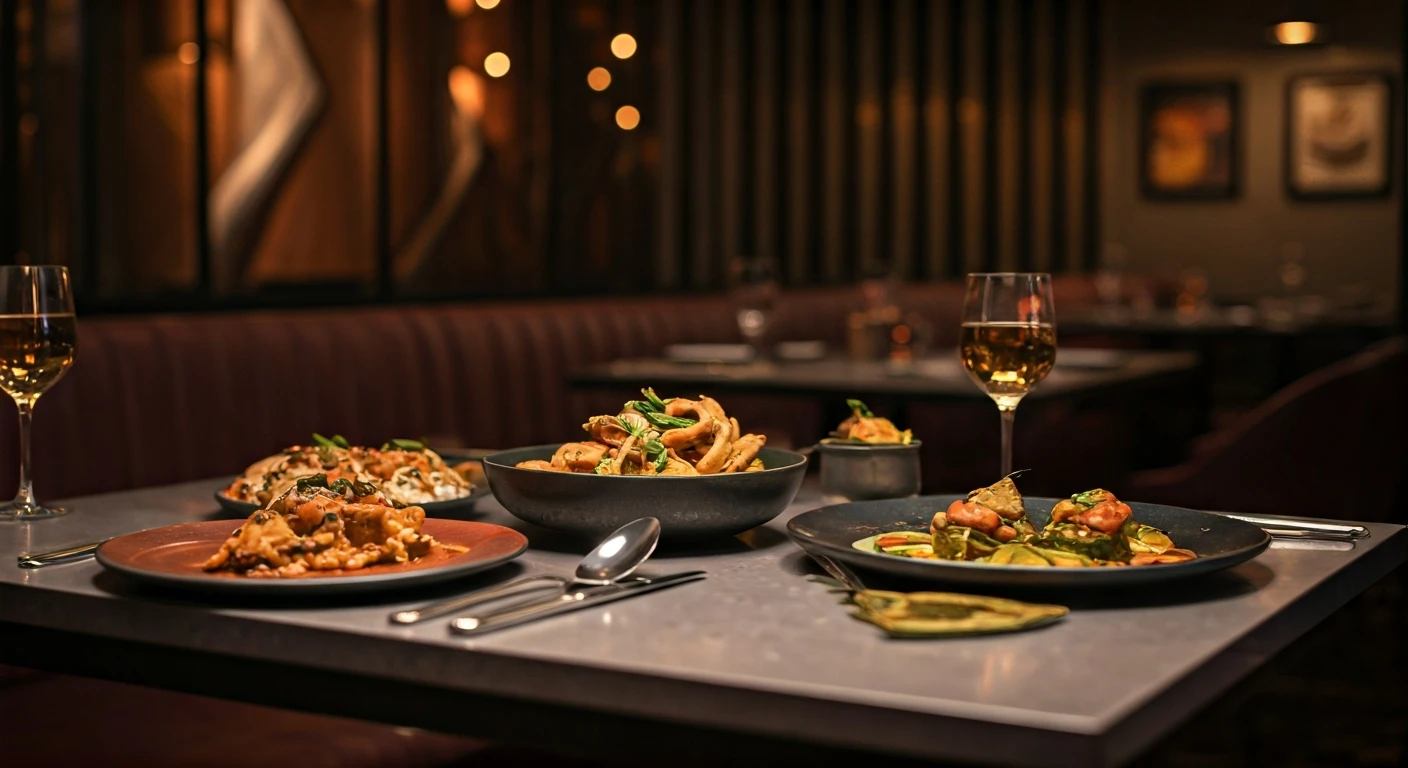
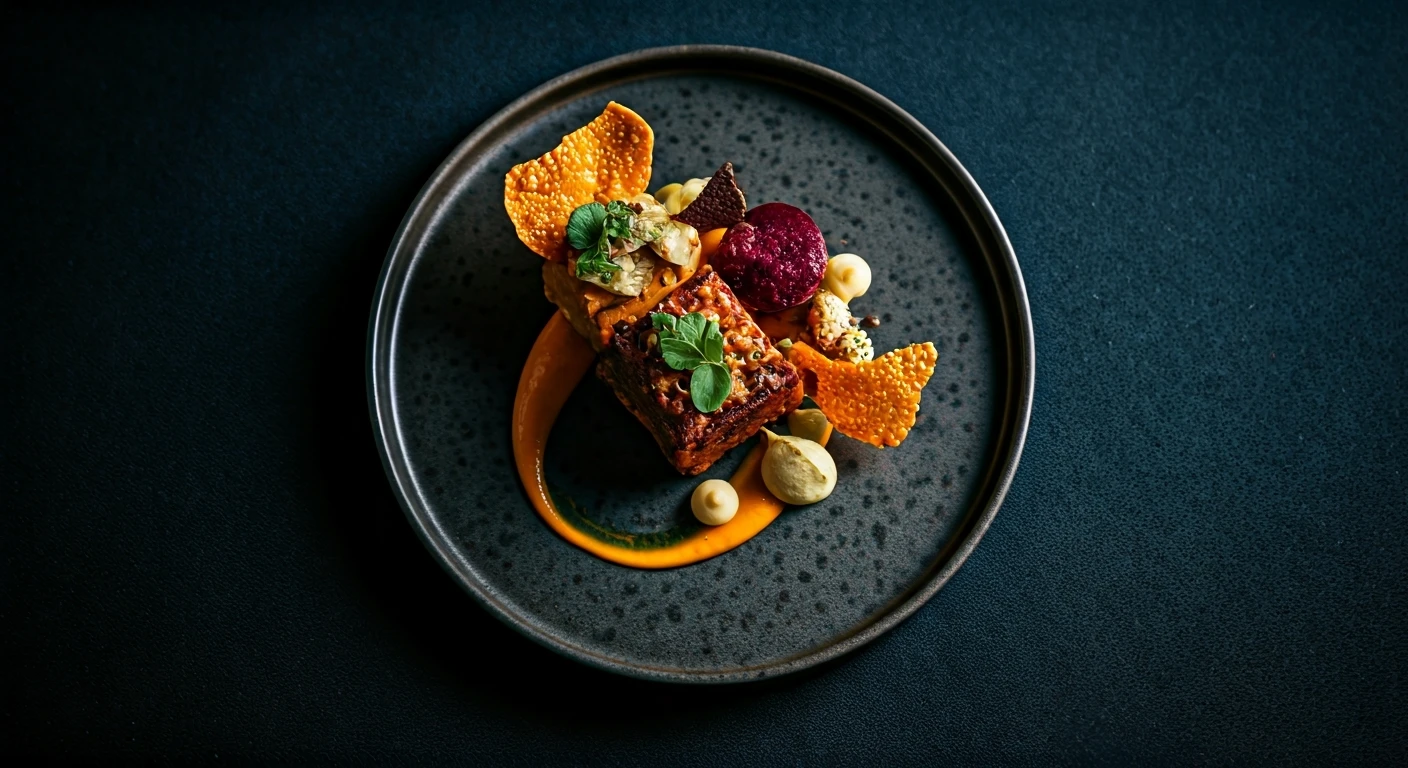
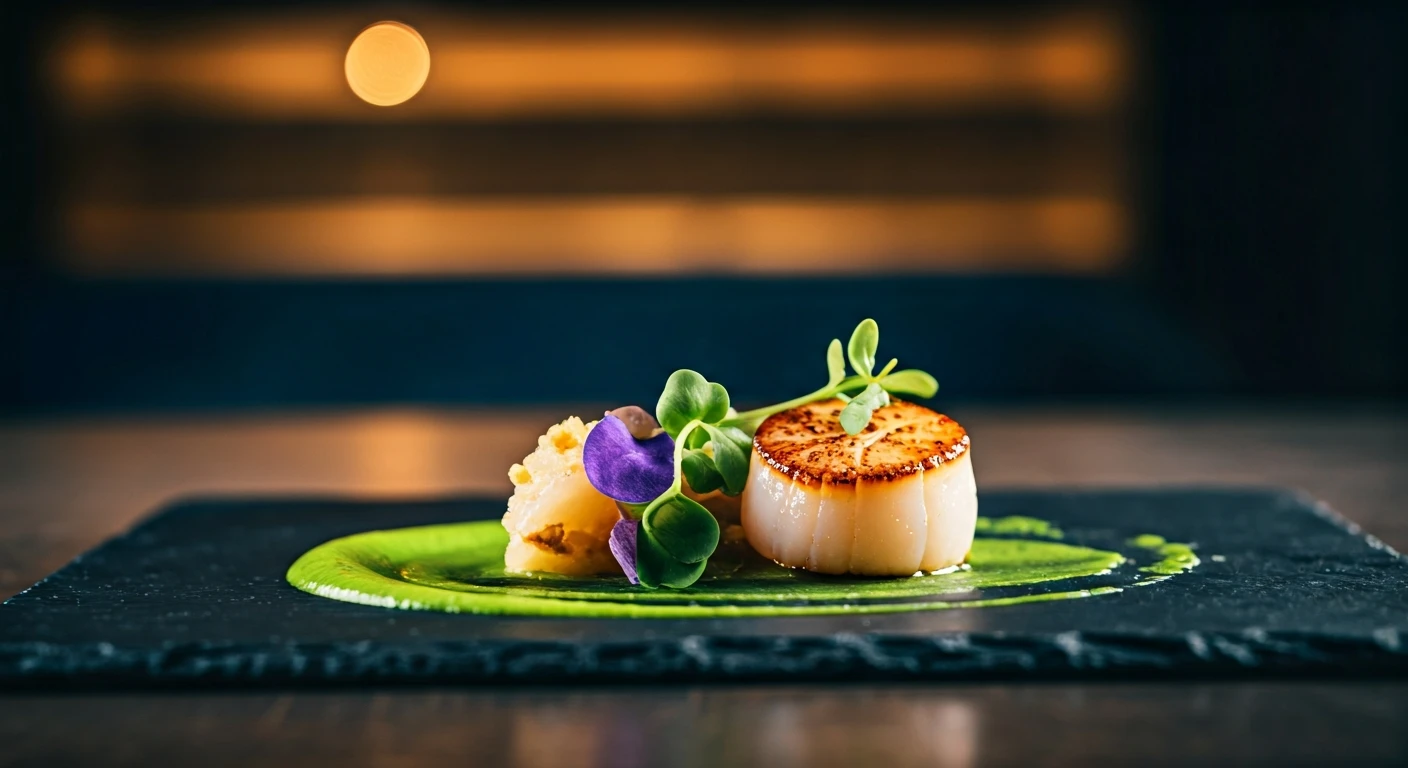
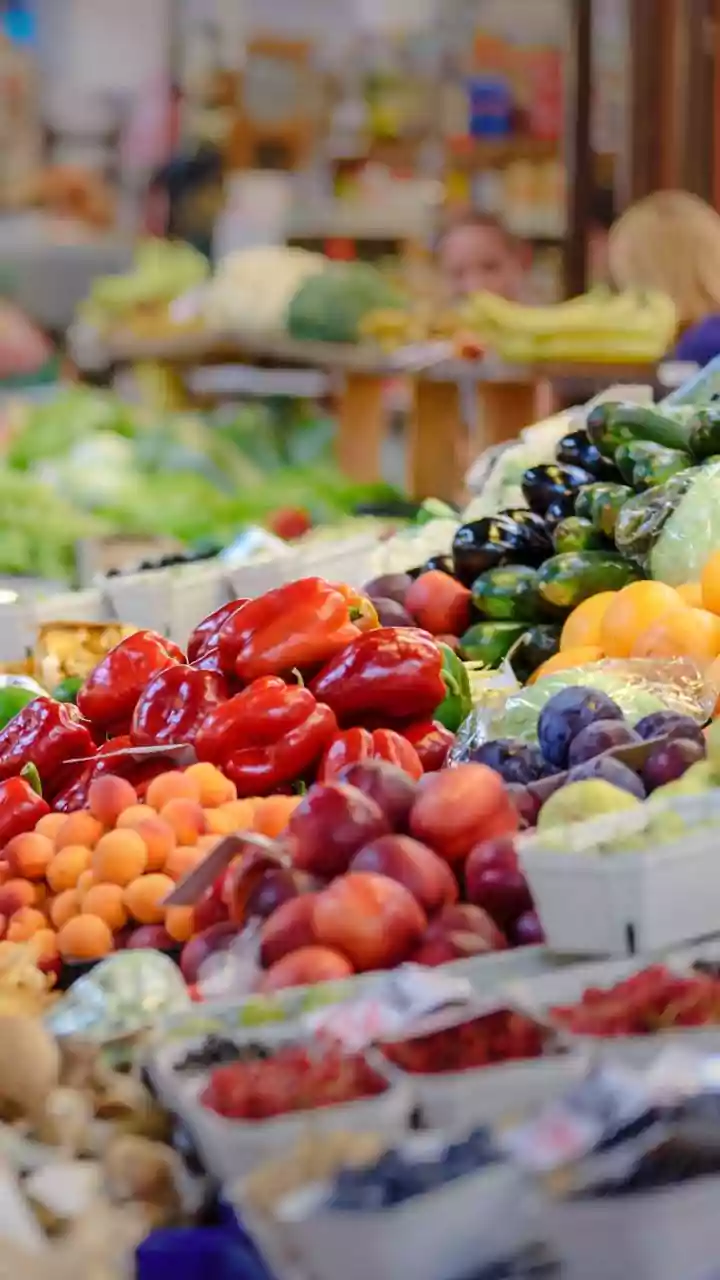
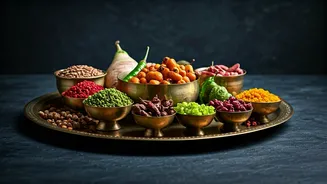
Today’s “quality-led” flex isn’t about a brand name you’d find at an airport duty-free. It’s about story and specificity. It’s sipping single-origin coffee from a particular estate in Coorg, not just any instant blend. It’s seeking out a sourdough bread made with heirloom Khapli wheat, or drizzling your salad with cold-pressed mustard oil from a small-batch producer. This new luxury is rooted in provenance. Menus at trendy restaurants in Mumbai, Delhi, and Bengaluru now read like geographical tours of the subcontinent. They boast about sourcing their feta from a specific creamery in Kodaikanal, their microgreens from a rooftop farm in the city, or their unique variety of rice from a collective in West Bengal. The flex is no longer the imported salmon, but the line-caught fish from the coast of Kerala, prepared with a modern twist. It’s a knowledge-based status, where knowing the story behind your food is as important as the taste itself.
An Urban Millennial Movement
So, what’s driving this change? A potent combination of factors, largely powered by India’s urban millennials and Gen Z. This is a generation with more disposable income, greater global exposure through travel and the internet, and a heightened consciousness around health and wellness. They’ve seen the farm-to-table movements in California and the artisanal obsessions of Europe, and they’re applying those principles back home. Social media, particularly Instagram, provides the stage. The visual appeal of a vibrant plate of seasonal, local food or the rustic packaging of an artisanal product is eminently shareable. Posting a picture of your visit to a local farmer's market is a signal of a certain lifestyle—one that is conscious, curated, and culturally aware. It says, “I don’t just eat; I care about what I eat.” This public performance of mindful consumption has replaced the old brag of a giant, wasteful feast.
A Flex of Identity
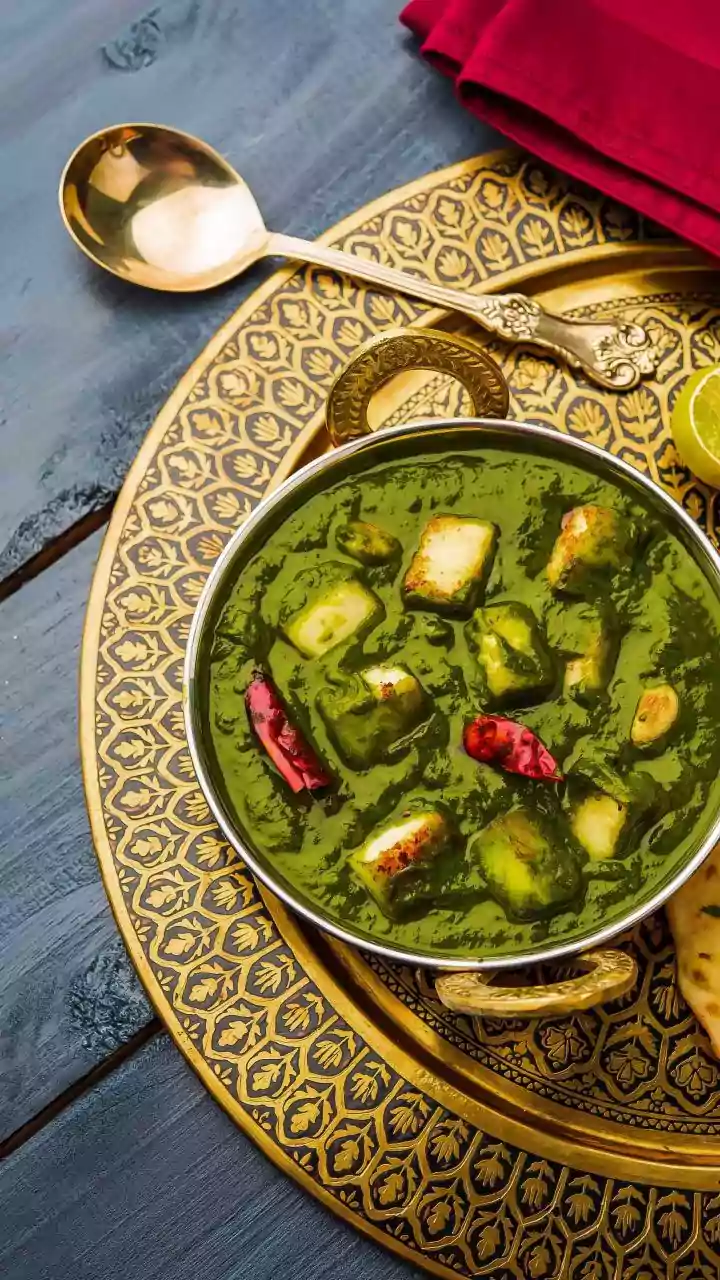
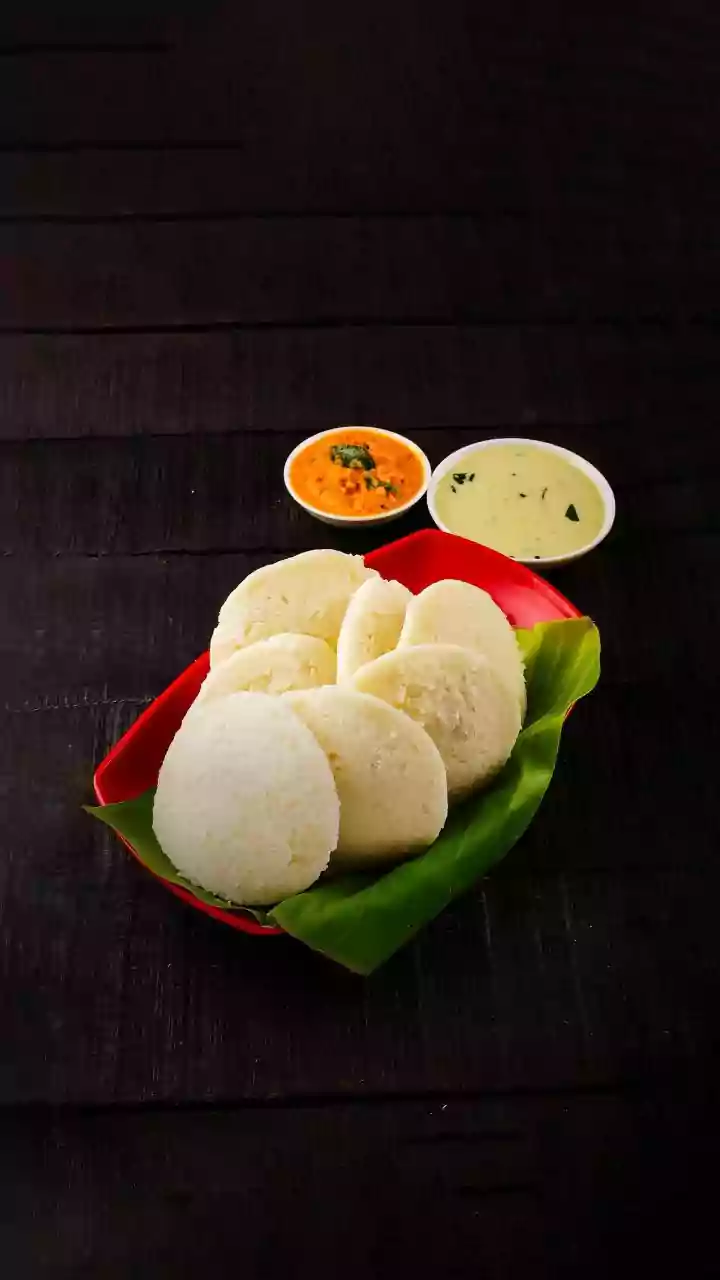
Ultimately, this trend is about more than just food. It’s a reflection of a new-found confidence in modern Indian identity. For years, “Indian” food was often seen monolithically, both at home and abroad. The quality-led movement is a celebration of the country’s staggering biodiversity and regional culinary traditions. It’s a pushback against the idea that Western ingredients or techniques are inherently superior. By championing a local cheese-maker or a farmer reviving a forgotten grain, these consumers are investing in a new kind of cultural capital. They are curating an identity that is both globally sophisticated and deeply rooted in local heritage. This new flex isn't about rejecting the world, but about finding India's unique and worthy place within it. It’s a declaration that the best products don’t always need an import sticker; sometimes, they’re waiting to be discovered in your own backyard.