



The Land of Thin Air
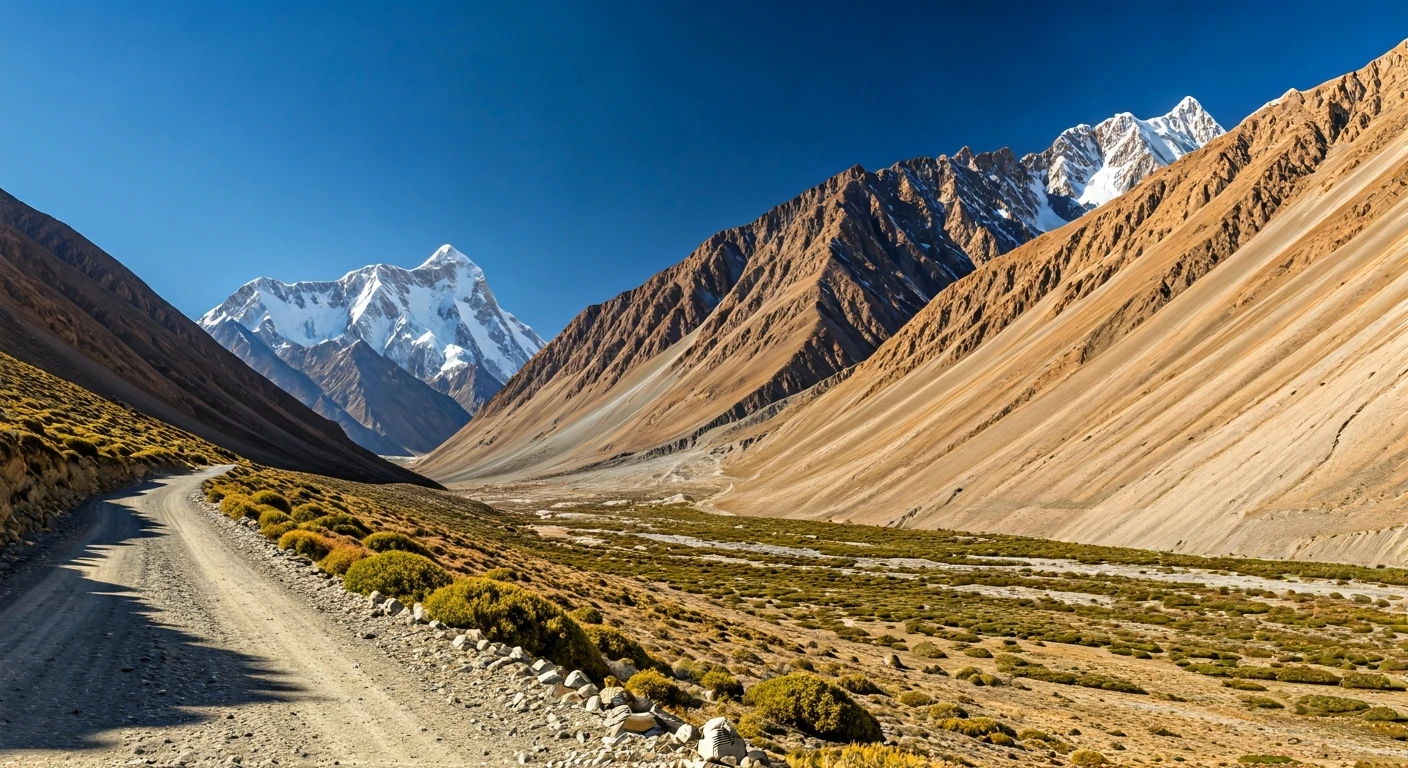
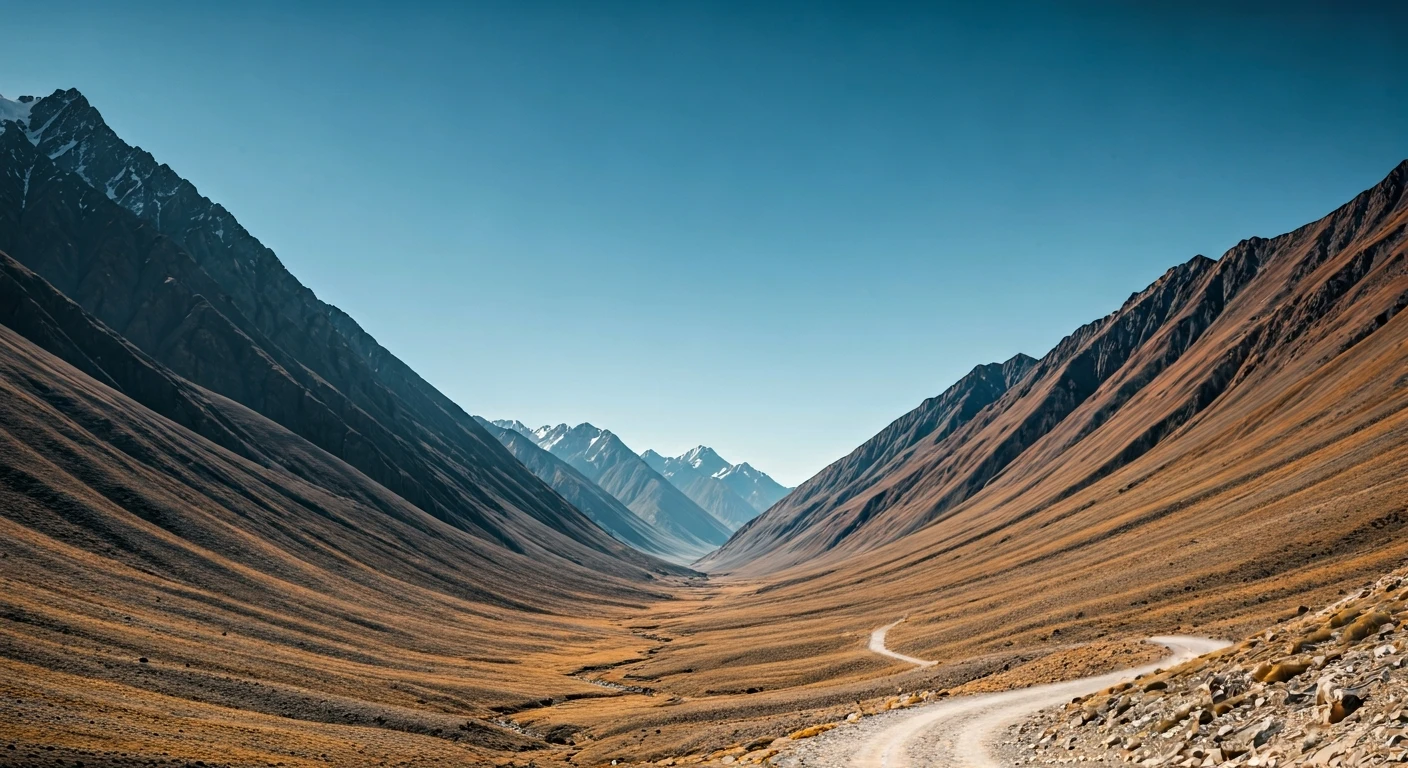
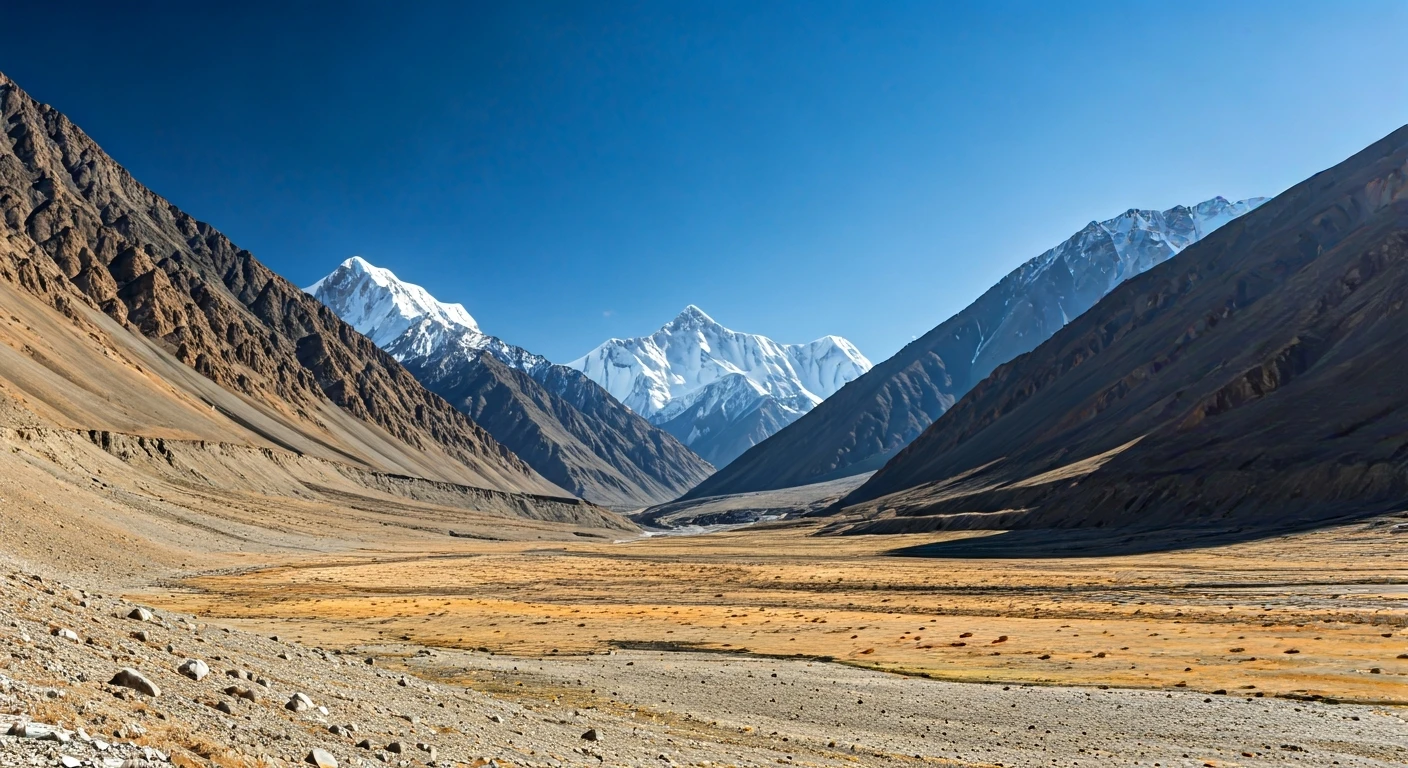
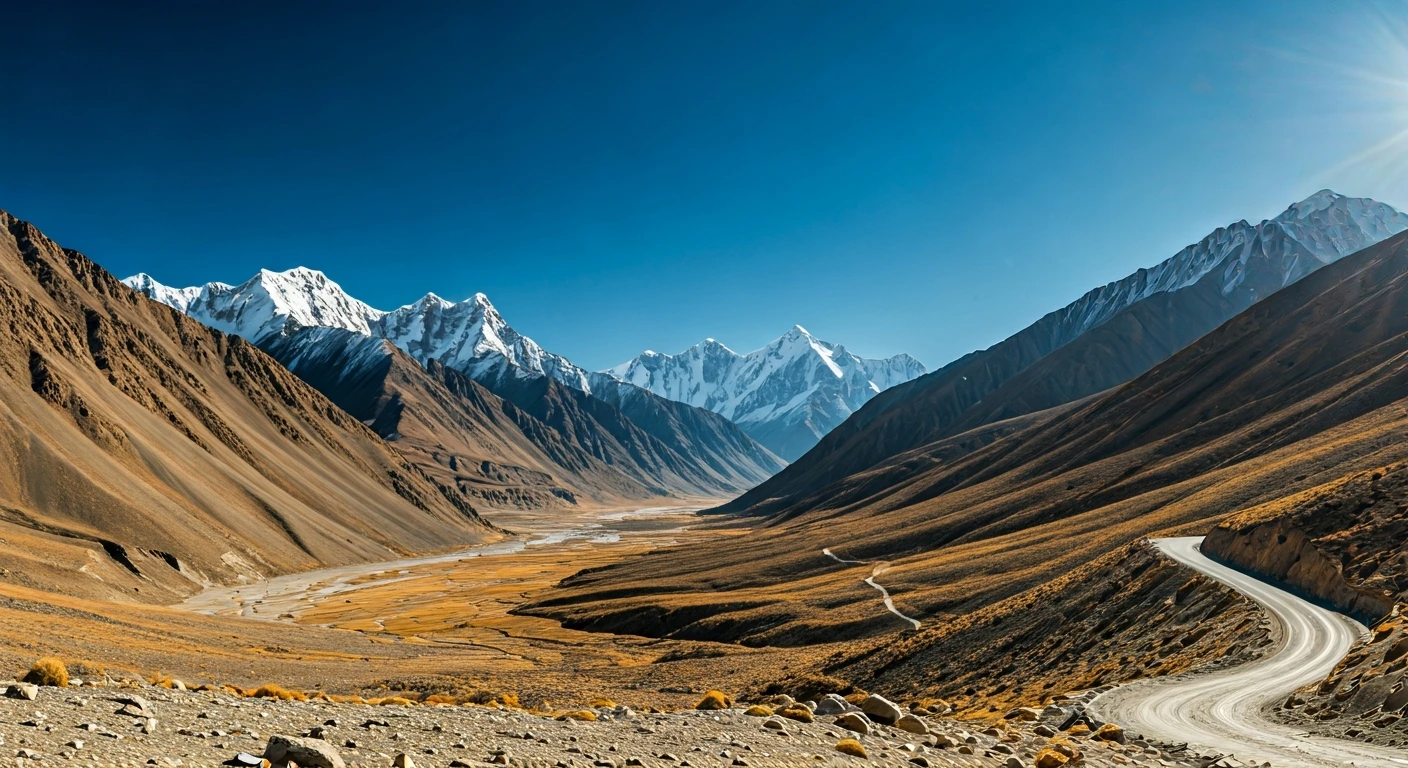
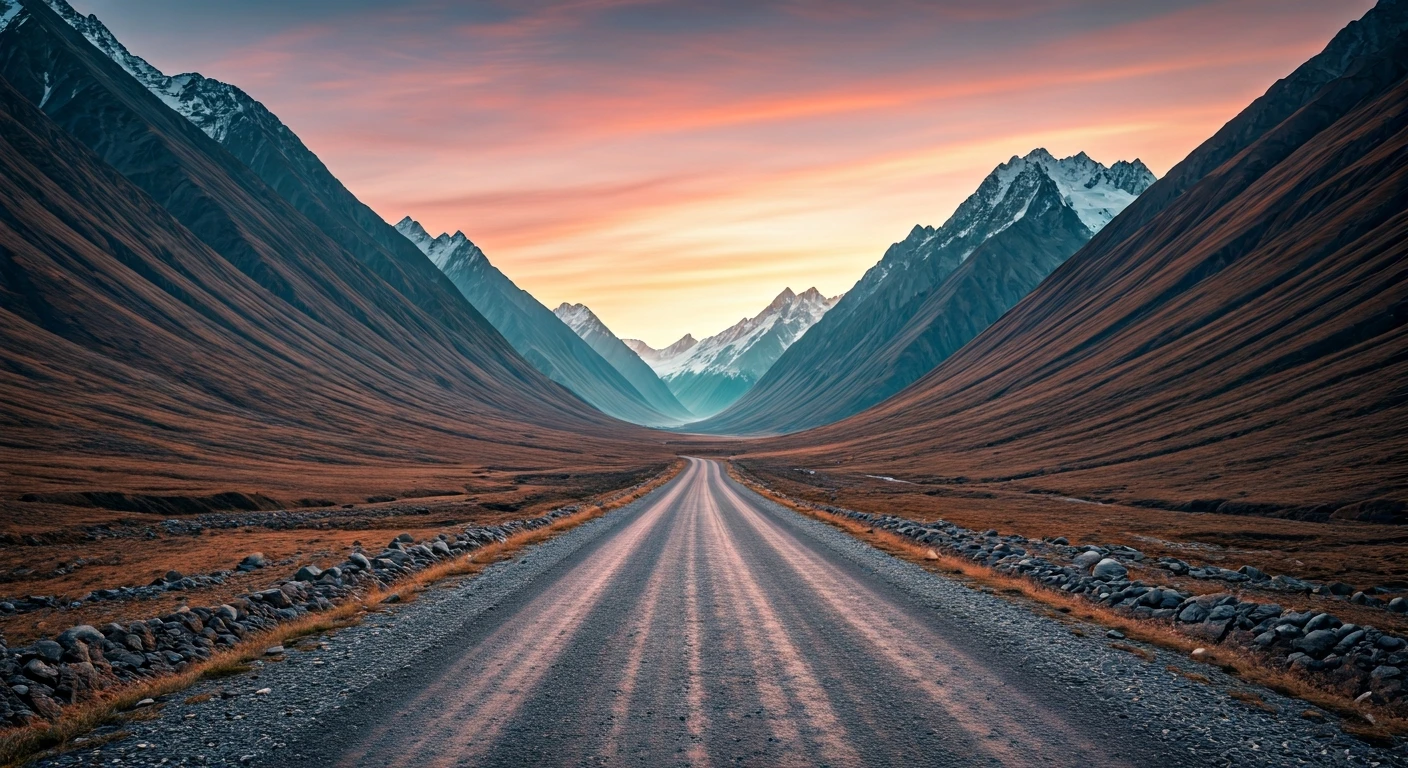
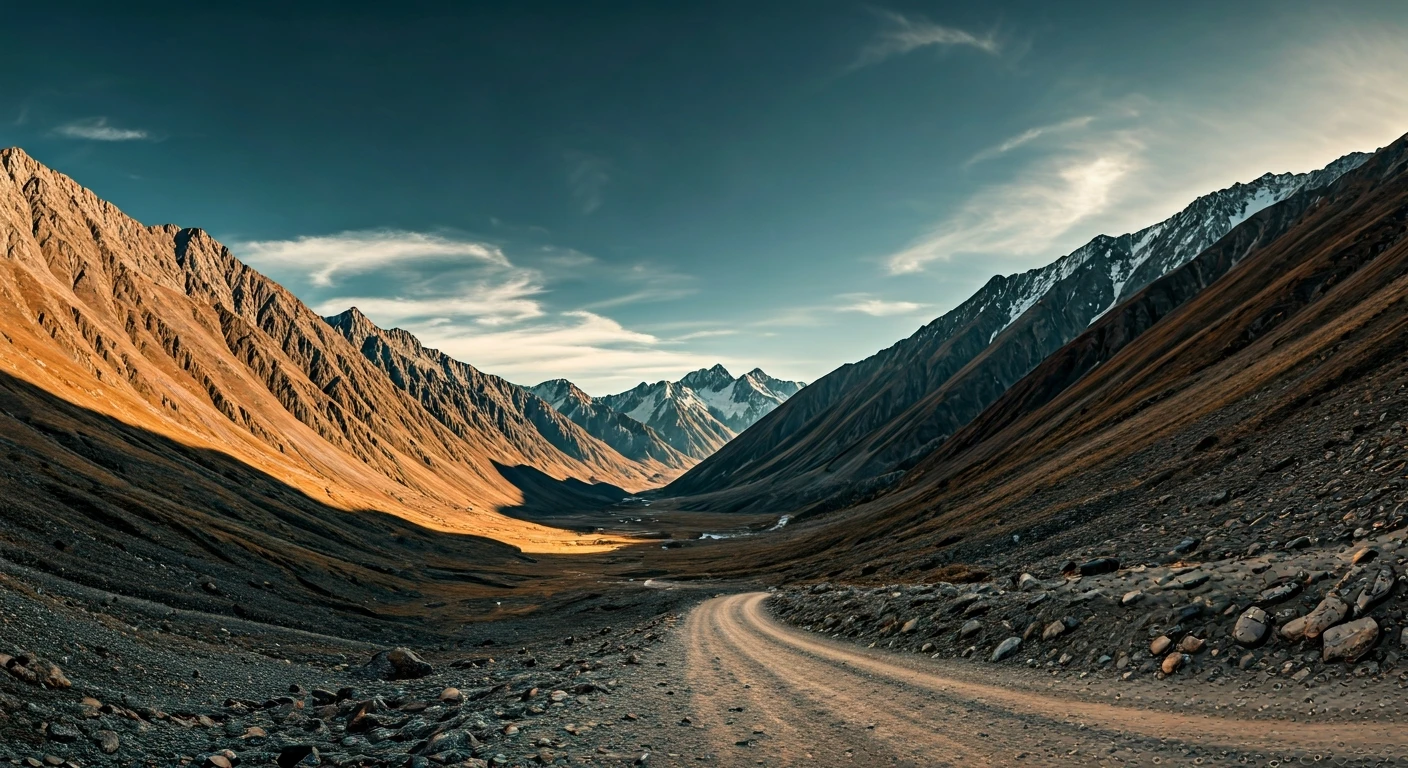
Tucked away in the Indian Himalayas, Spiti is a place that redefines your understanding of a desert. Forget scorching sands; this is a “cold desert,” a high-altitude expanse of stark, wind-carved mountains and deep gorges sitting at an average elevation
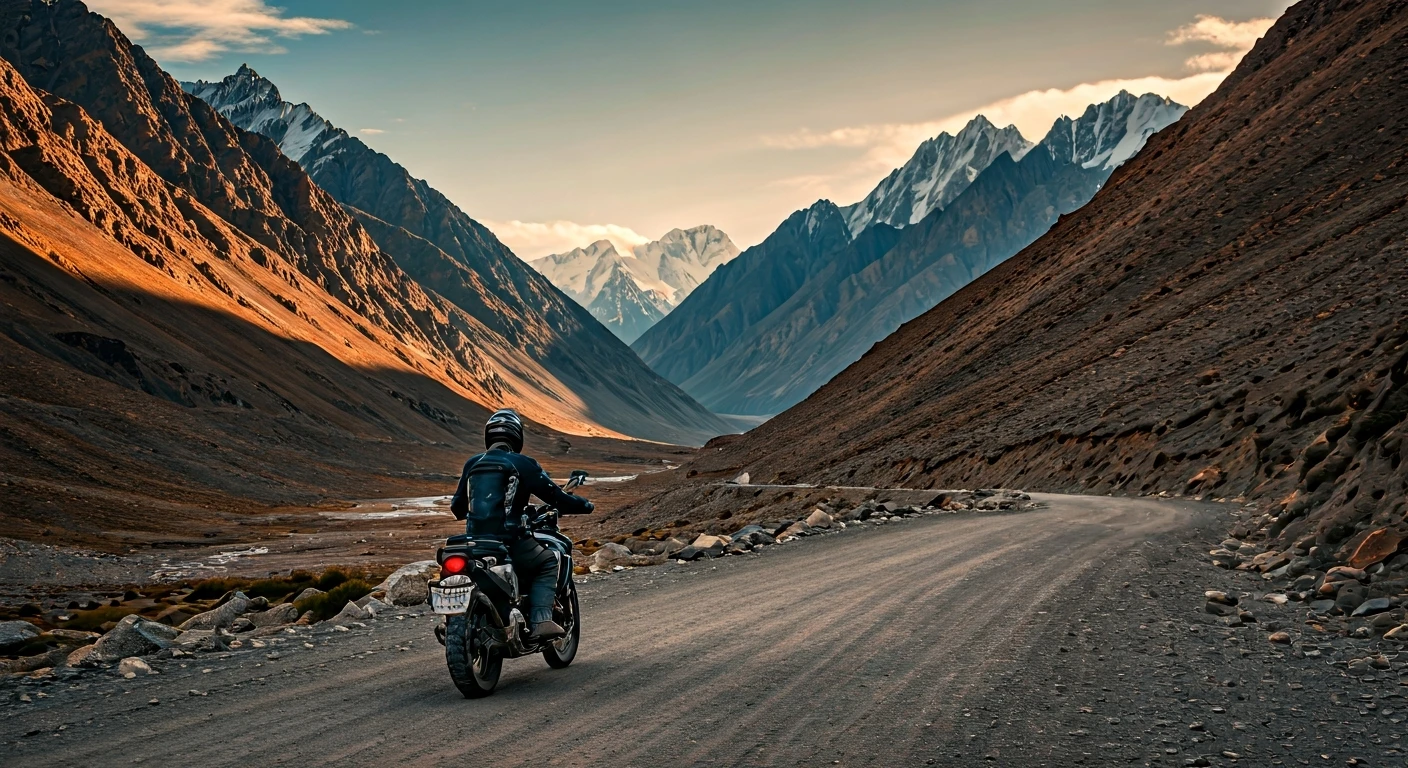
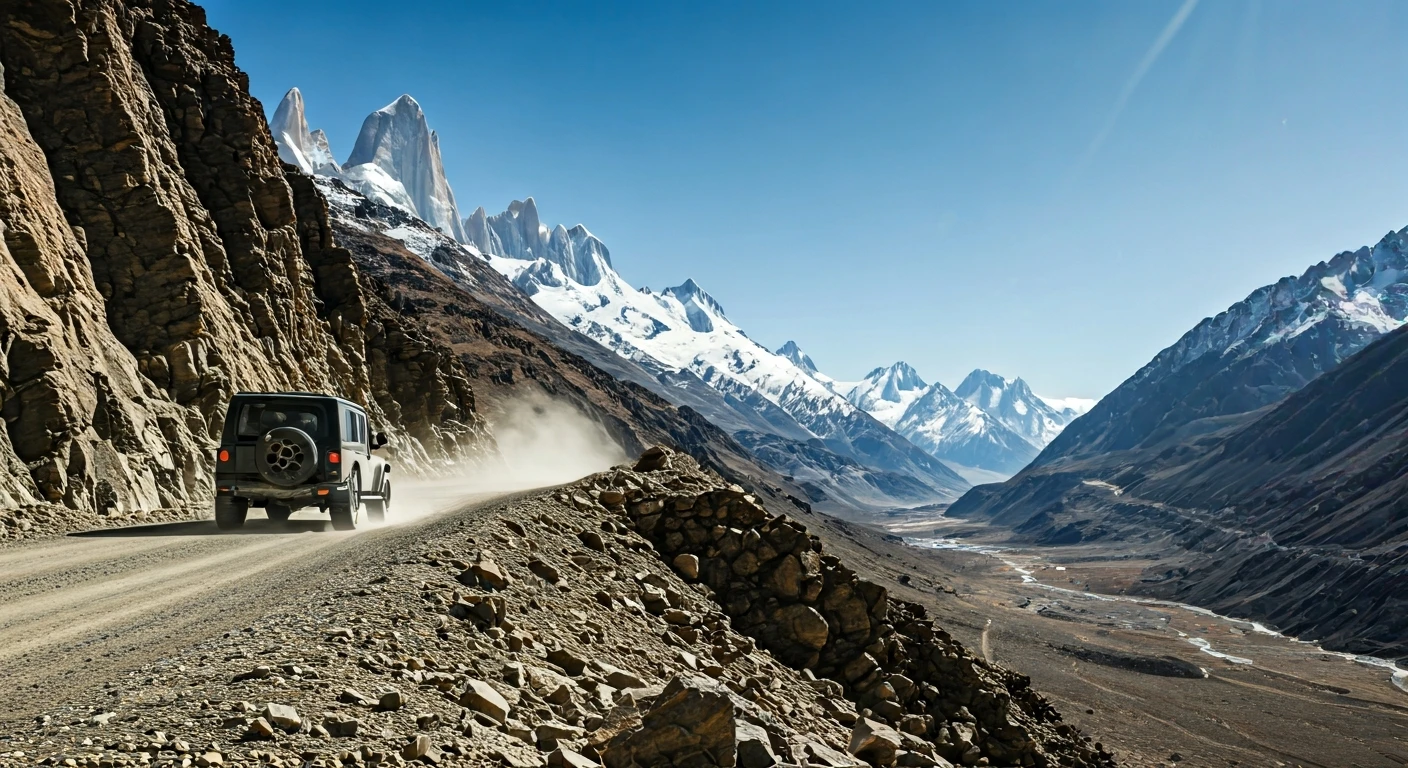
of around 12,500 feet. For the American traveler accustomed to the heat of the Mojave or the Sonoran, the very concept feels like a paradox. Reaching this remote valley, often via treacherous, winding mountain roads from Shimla or Manali, is an experience in itself. As you ascend, the air thins, the vegetation recedes, and the world seems to sharpen into focus. The sun here is brilliant and harsh during the day, illuminating a moonscape of barren slopes and tiny, whitewashed villages that cling to the mountainsides like specs of dust. But it’s when that sun disappears behind the jagged peaks that the valley’s true, otherworldly character emerges.
When the Sun Vanishes
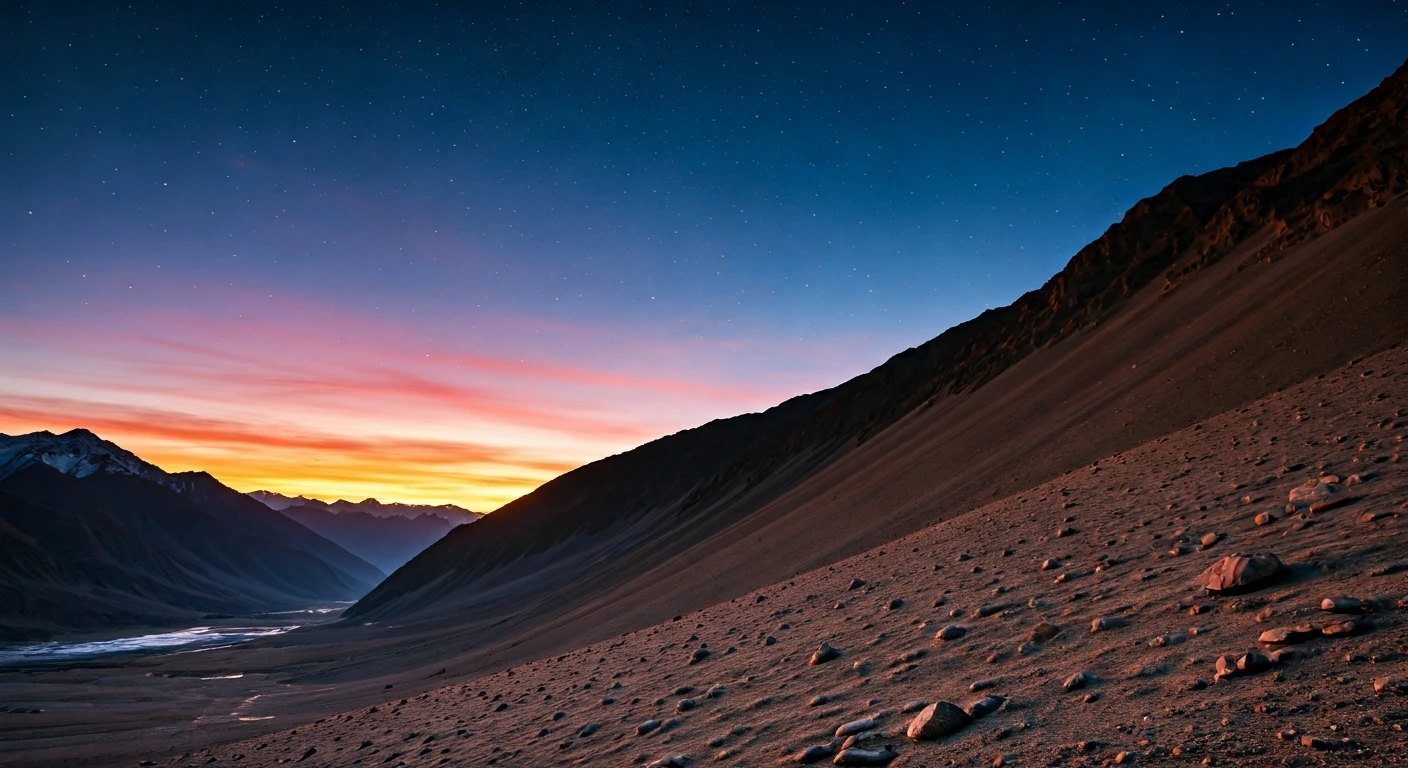
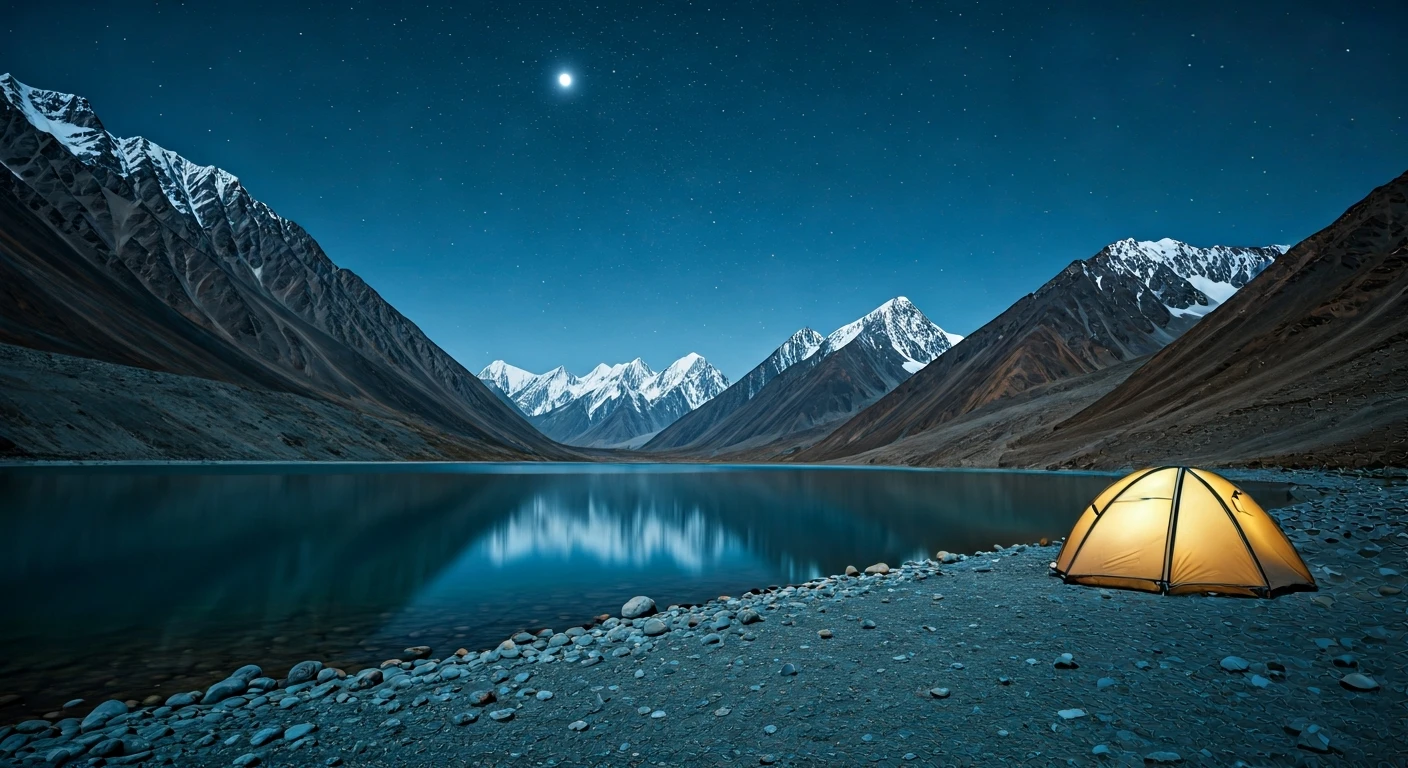
The transition from day to night in Spiti is not a gentle fade; it’s a sudden, dramatic plunge. One moment, the sun’s final rays are painting the rock faces in shades of apricot and rose. The next, a deep, indigo blanket is pulled across the sky, and the temperature plummets. In summer, a pleasant 60°F day can easily become a near-freezing night. The cold is an active presence, not just an absence of heat. It seeps into your bones, makes your breath plume in thick white clouds, and renders the ground beneath your feet hard and brittle. It’s a cold that demands respect, forcing you into layers of wool and down, and reminding you of your own fragility in a landscape built on an epic, geological scale. This isn't the damp, biting cold of a coastal winter; it's a dry, pristine chill that feels as clean and sharp as broken glass.
A Theater of Stars
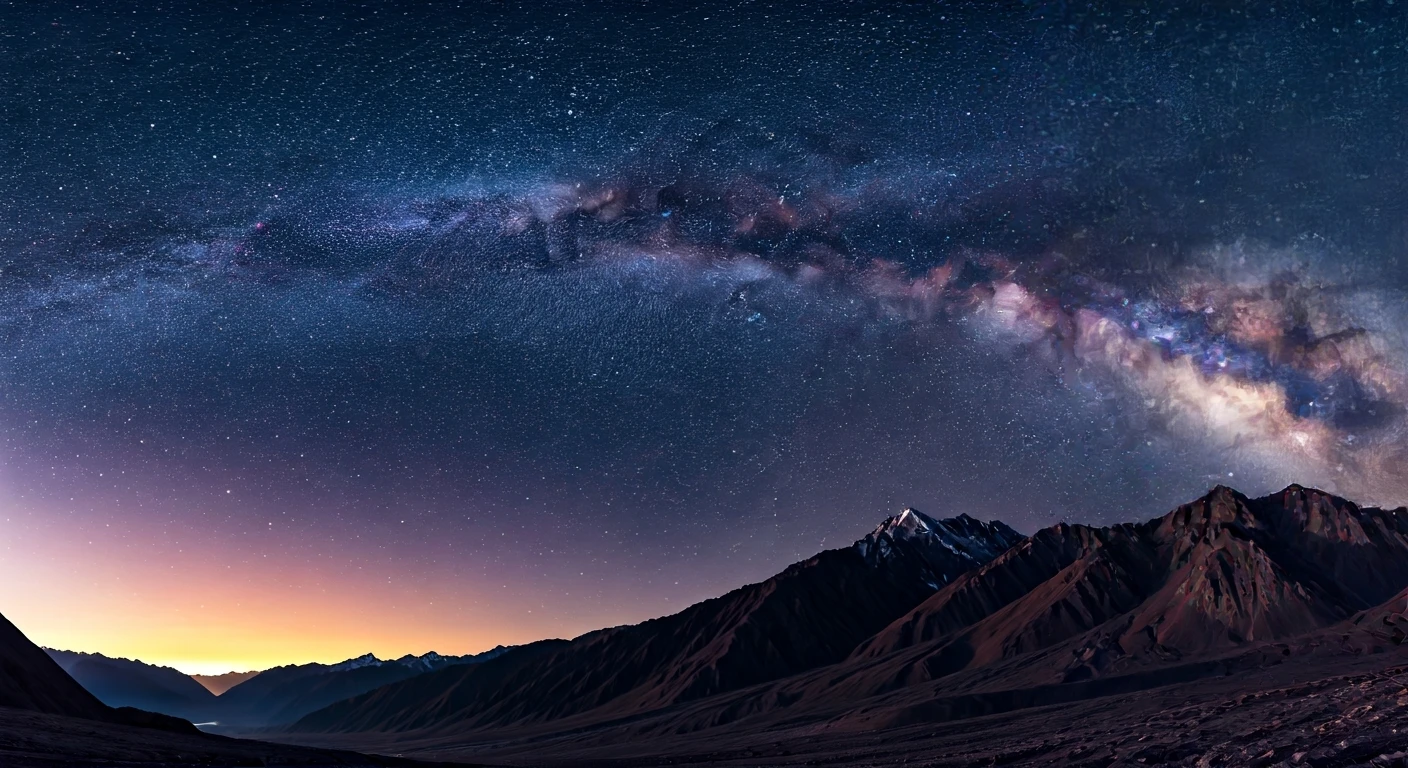
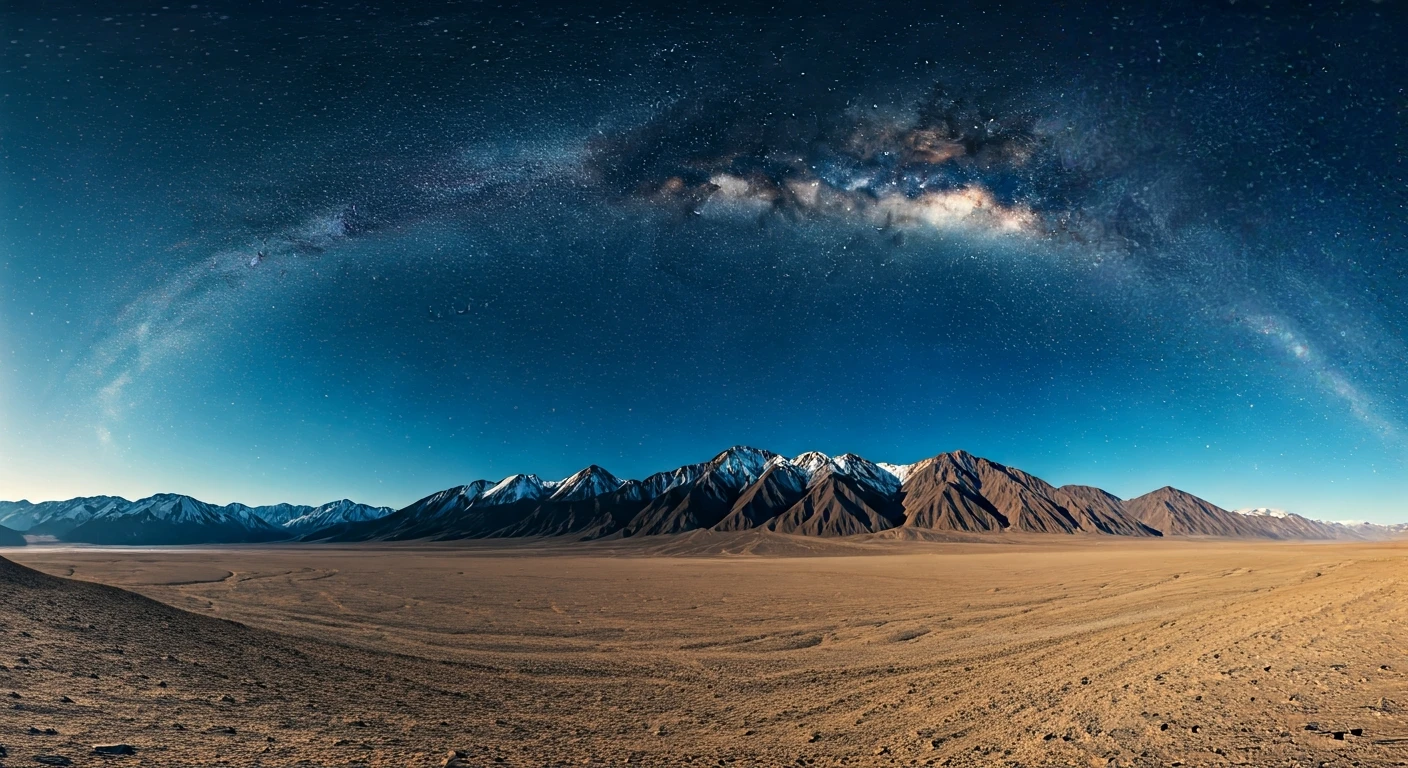
The harshness of the cold offers a breathtaking reward: the sky. Far from the light-polluted haze of any major city, the night sky in Spiti is a spectacle so profound it can feel disorienting. The combination of high altitude, thin atmosphere, and near-zero humidity creates conditions for stargazing that are among the best on the planet. This is not about spotting a few constellations. This is about seeing the universe as an immersive dome. The Milky Way isn’t a faint, milky smudge; it’s a thick, textured river of light, a celestial cloud of dust and stars so vivid it seems almost close enough to touch. Stars don’t twinkle; they burn with a steady, fierce intensity. Meteors streak across the vast darkness with surprising frequency, silent fireworks in an endless show. Looking up, you feel an overwhelming sense of scale, a humbling realization of your small place in a cosmos that is staggeringly, impossibly vast.
The Sound of Total Silence
Underpinning the visual splendor is an auditory void. The profound silence of a Spiti night is something most of us rarely, if ever, experience. There is no hum of traffic, no distant sirens, no buzz of electricity. The wind might whisper through a prayer flag or across a high pass, but often, there is nothing. It’s a silence so complete you can almost hear the blood rushing in your ears. This quietude is the bedrock of the valley's spiritual life, home to some of the world's oldest Tibetan Buddhist monasteries, like Key and Tabo. The monks who live here have cultivated a life of contemplation in this silence for centuries. For a visitor, this quiet is both unnerving and deeply restorative. It forces you inward, stripping away the noise of modern life and leaving you alone with your thoughts under a canopy of a million silent, burning stars.