






The Heat-Driven Exodus
The dream of a sprawling home in the Sun Belt is getting a harsh reality check. Cities from Phoenix to Houston are grappling with 'heat islands' where concrete and asphalt absorb and radiate solar energy, making urban cores significantly hotter than surrounding
rural areas. Summer is no longer just a season; for many, it’s a state of siege against triple-digit temperatures, strained power grids, and soaring air-conditioning bills. This relentless heat isn't just uncomfortable—it's a serious public health risk, especially for the elderly, young children, and outdoor workers. Beyond the heat, other climate-driven pressures are mounting. The plains face worsening droughts that threaten water supplies and agriculture, while coastal regions from Florida to Louisiana are confronting the dual threats of more powerful hurricanes and creeping sea-level rise. This convergence of risks is creating a powerful 'push' factor, forcing a subset of Americans to reconsider where they can build a safe and sustainable future.
The Appeal of Altitude
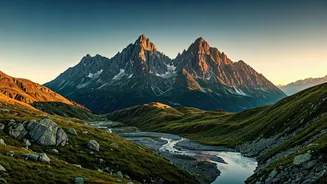
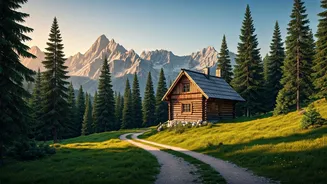
If blistering heat is the push, the gentle, upward slope of a hill is the pull. The appeal is rooted in basic physics: for every 1,000 feet of elevation gain, the temperature drops by roughly 3.5 to 5.5 degrees Fahrenheit. In an era of scorching summers, that natural air conditioning is becoming a powerful real estate amenity. Places like the Appalachian Mountains, the Ozarks in Arkansas and Missouri, and even the rolling hills of Vermont and New Hampshire are gaining attention as potential 'climate havens.' These regions offer more than just cooler summers. Many are characterized by abundant natural water sources, dense forests that provide shade and help moderate local temperatures, and lower population densities that appeal to those seeking a refuge from crowded, concrete-heavy urban centers. The perception is one of resilience—a place that might be better insulated from the most extreme climate shocks predicted for the coming decades.
Mapping the New Havens
This isn't just a theoretical shift; it’s showing up in real estate trends and demographic data. While not a mass exodus yet, markets in traditionally overlooked areas are heating up. Towns in western North Carolina, eastern Tennessee, and the Hudson Valley in New York are seeing an influx of buyers explicitly citing climate concerns as a reason for their move. These 'climate migrants' are often remote workers with the flexibility to prioritize quality of life over proximity to a specific office. They are trading proximity to coastal nightlife for the security of a mountain stream. Even regions not known for dramatic mountains, like the upper Great Lakes area—think Duluth, Minnesota, or Traverse City, Michigan—are being touted by researchers as future refuges, thanks to their cool climate and access to the largest freshwater system on Earth. The common thread is a search for places that promise stability in an increasingly unstable world.
An Uphill Battle?
The move to higher ground isn't a panacea. Many of these emerging climate havens are rural communities with infrastructure and job markets that are not prepared for a sudden influx of new residents. A surge in demand can lead to 'climate gentrification,' where rising housing prices and property taxes displace longtime local residents who are then unable to afford their own hometowns. Furthermore, no region is entirely immune to climate change. While the hills may be safe from sea-level rise, they can be vulnerable to other threats like flash flooding, landslides, or even unseasonable wildfires. The dream of a perfectly safe haven is likely an illusion. The transition requires careful planning from local governments to manage growth, upgrade infrastructure, and ensure that the benefits of this new migration are shared equitably, rather than creating new social and economic divides.