


The Rise of the ‘Intelligent’ Home
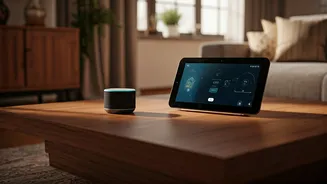
The most visible change is the seamless integration of technology. Once the exclusive domain of the super-rich, home automation is becoming an aspirational, and increasingly accessible, standard. In the new high-rises of Mumbai, Bengaluru, and Gurugram,
it’s not uncommon to find homes where lighting, climate control, security systems, and entertainment are all controlled via a smartphone app or voice assistant. This isn't just about convenience; it’s a status symbol and a reflection of a country with one of the youngest and most digitally fluent populations in the world. Companies are rushing to meet this demand, offering everything from smart switches and AI-powered air purifiers that combat urban pollution to voice-controlled blinds and sophisticated multi-room audio systems. The aesthetic is often discreet, with technology designed to blend into the background rather than dominate the space. It’s a tech-forward vision of home that values efficiency, comfort, and control in a fast-paced world.
Pragmatism for Urban Realities
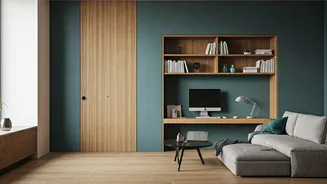
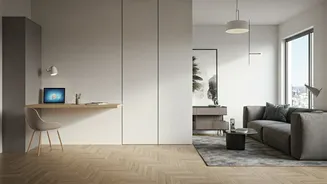
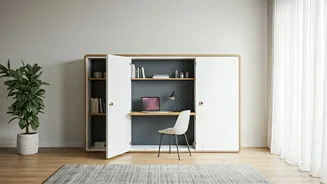
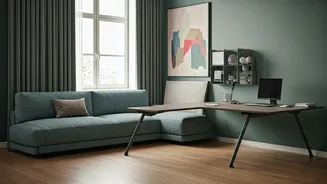
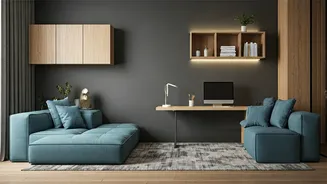
Alongside this high-tech push is a powerful move towards practicality, driven by the realities of modern urban living. As millions move to cities for work, average apartment sizes have shrunk. This has fueled a massive demand for modular and multi-functional furniture. Think of it as India’s answer to the small-space living solutions seen in Tokyo or New York, but with a distinct local flavor. Interior designers and furniture brands are creating ingenious pieces that serve multiple purposes: a coffee table that rises to become a dining table, a sofa that hides a pull-out bed and storage, and wall-mounted desks that fold away when not in use. Wardrobes are no longer just standalone pieces but are integrated floor-to-ceiling systems designed to maximize every inch of vertical space. This focus on utility and space optimization is a direct response to a new lifestyle where flexibility and efficiency are paramount.
Where Modernity Meets Tradition
Crucially, this shift isn't a wholesale rejection of tradition. Instead, it’s a sophisticated fusion. The most interesting designs are those that weave India's rich aesthetic heritage into a contemporary, functional framework. A home might feature cutting-edge smart lighting designed to highlight a traditional Tanjore painting or a minimalist media console crafted from reclaimed Sheesham wood. Even ancient design principles like Vastu Shastra, a traditional system of architecture and placement that's akin to Feng Shui, are being adapted for modern apartments. Designers now work to align room layouts and furniture placement with Vastu principles while still accommodating the constraints of a high-rise floor plan and the need for smart-device integration. The goal is to create a space that feels both globally modern and culturally grounded, a sanctuary that supports a contemporary lifestyle without severing ties to heritage.
What's Driving the Transformation?
This trend is the result of a perfect storm of economic and social factors. India’s booming economy has created a large and aspirational middle and upper-middle class with disposable income and global exposure. Thanks to travel and the internet, they are familiar with international design trends and expect the same level of sophistication and convenience in their own homes. Simultaneously, a vibrant ecosystem of domestic startups and design firms has emerged to cater to this new market. They are nimble, understand local tastes, and can produce high-quality, customized solutions at a competitive price point. This combination of savvy consumers demanding more and a dynamic market supplying it is rapidly accelerating the transformation of the Indian home, turning it into a fascinating microcosm of the country's broader journey in the 21st century.