


Not Your Grandma's Potpourri
Let’s be honest: for most Americans, the idea of eating something that tastes like rose has long been a tough sell. The flavor was often dismissed as perfumey, soapy, or just plain old-fashioned—something you’d associate with a dusty box of Turkish delight
from a forgotten corner of a specialty store. It conjured images of Victorian parlors and floral sachets, not modern cuisine. While rose has been a cherished ingredient for centuries in Middle Eastern, South Asian, and North African food cultures—flavoring everything from celebratory sweets like baklava and gulab jamun to refreshing drinks—it never quite found its footing on the American palate. It was seen as an exotic novelty at best, and an overly floral oddity at worst. This perception relegated it to the background, a flavor that felt more like a scent you’d wear than an ingredient you’d savor.
The New 'Cool Energy'
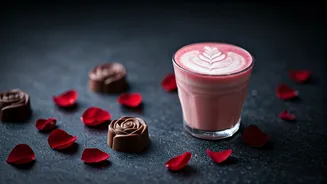
So, what's behind this dramatic rebranding? The "cool energy" of today's rose-flavored treats comes from a convergence of modern cultural currents. First, there's the aesthetic appeal. In the age of Instagram, food has to look as good as it tastes. The delicate pink and blush tones of rose-infused lattes, macarons, and cocktails are undeniably photogenic. They offer a natural, subtle beauty that stands in stark contrast to the aggressive, artificial dyes of yesterday's novelty foods. Secondly, the wellness movement has primed us to appreciate natural, botanical ingredients. Rose is often associated with calming and soothing properties, fitting neatly into the self-care narrative that now influences everything from our skincare to our snacks. Finally, as palates become more sophisticated, there's a growing desire for complexity. Rose offers a compelling alternative to the one-note sweetness of sugar or the familiar comfort of vanilla, providing a layered, aromatic experience that feels both refined and refreshing.
Beyond the Turkish Delight
Forget the idea that rose is only for confections. Today’s chefs and artisans are incorporating it into an astonishing range of products, proving its versatility. You’ll find it in the morning, as a rose-cardamom latte at your local third-wave coffee shop. It's appearing in craft cocktail bars, where mixologists use rosewater to add an elegant floral nose to gin and vodka drinks. Artisanal chocolatiers are pairing it with dark chocolate, pistachio, and raspberry for a complex, grown-up treat. Small-batch ice cream makers are churning out scoops of rose and pistachio or saffron-rose gelato. The flavor is even making inroads in the savory world. A subtle hint of rosewater can brighten a lamb marinade, add complexity to a rice pilaf, or provide an unexpected twist in a vinaigrette. This new wave of applications shows that rose isn't a gimmick; it’s a versatile ingredient being rediscovered by a new generation of creators.
A Global Flavor Finds Its Moment
Ultimately, the return of rose is part of a larger, more exciting story about the American palate. We are more curious and adventurous eaters than ever before. Thanks to the internet, global travel, and a more diverse culinary landscape at home, flavors that were once considered niche are becoming mainstream. The same curiosity that led to the rise of gochujang, tahini, and yuzu is now paving the way for rose. It's a flavor that connects us to rich culinary traditions from around the world, but it’s being interpreted through a distinctly modern, American lens. It represents a move away from loud, processed flavors and toward something more subtle, nuanced, and authentic. The comeback of rose isn't just about a flower; it's about our own tastes blossoming.