


The Great Minimalist Fatigue
Remember the chokehold of the “clean girl” aesthetic? It was the era of barely-there foundation, fluffed-up brows, and a whisper of lip oil. This hyper-natural, wellness-coded look dominated social media feeds, promising an effortless glow that, ironically,
required a significant amount of effort and expensive skincare to achieve. While beautiful, it also became a uniform—a subtle, prescriptive standard of perfection. After years of striving for a polished, “I woke up like this” facade, a collective exhaustion has set in. The return to bold beauty is, in part, a rebellion against the quiet pressure of minimalism. It’s a declaration that makeup doesn't have to be about perfecting; it can be about playing, experimenting, and even being a little messy.
A Post-Pandemic Release
So much of the past few years was spent in a state of muted existence. We were indoors, isolated, and, when we did go out, our faces were half-hidden behind masks. The focus shifted to “above the mask” eye makeup or, for many, no makeup at all. As the world fully reopened, an explosive desire for celebration and visibility followed. Makeup became a primary tool for this re-emergence. A swipe of electric blue eyeliner or a slash of deep berry lipstick is a simple, powerful way to say, “I am here.” It’s a form of social peacocking, a joyful reclamation of the faces we kept hidden for so long. The boldness is a direct contrast to the quiet, anxious energy of the lockdown era.
The Joy of Dopamine Beauty
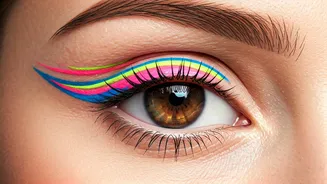
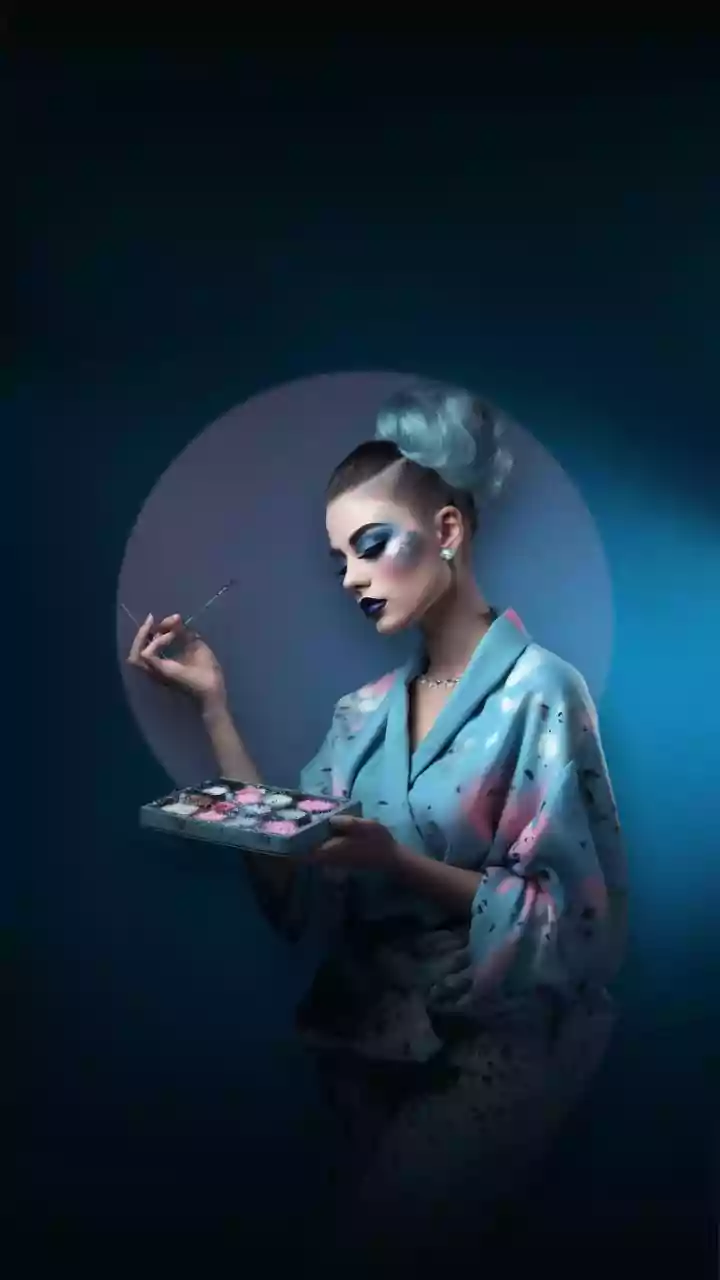
The trend isn't just external; it's deeply psychological. Enter “dopamine beauty,” the makeup equivalent of dopamine dressing. The core idea is simple: using vibrant colors, glittering textures, and expressive shapes to actively boost your own mood. That pop of neon on your eyelid or the high-shine gloss on your lips isn't just for others to see; it’s for you to feel. Studies have long shown that color can impact emotion, and people are now consciously harnessing that power. In a world of stressful news cycles and economic uncertainty, finding a small, controllable source of joy in your makeup bag feels both radical and necessary. It reframes a beauty routine from a chore into a daily act of self-care and personal delight.
Algorithms and Individuality
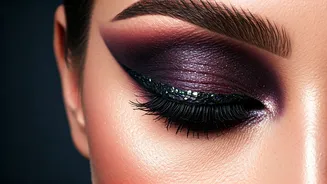
Social media, particularly TikTok, is a major driver. While platforms helped popularize the minimalist aesthetic, their algorithms reward high-impact visuals. A dramatic, colorful look is simply more scroll-stopping than a subtle one. Trends like the “mob wife aesthetic”—with its smoky eyes and defined lips—or the moody, '90s-inspired “espresso makeup” offer a stark, cinematic contrast to the sun-kissed clean girl. These looks are fun to create, compelling to watch, and encourage user participation. At the same time, there's a growing counter-movement toward radical individuality. Instead of everyone trying to achieve one specific look, the new goal is to develop a personal signature, and bold choices are the fastest way to get there.
Nostalgia as a Creative Force
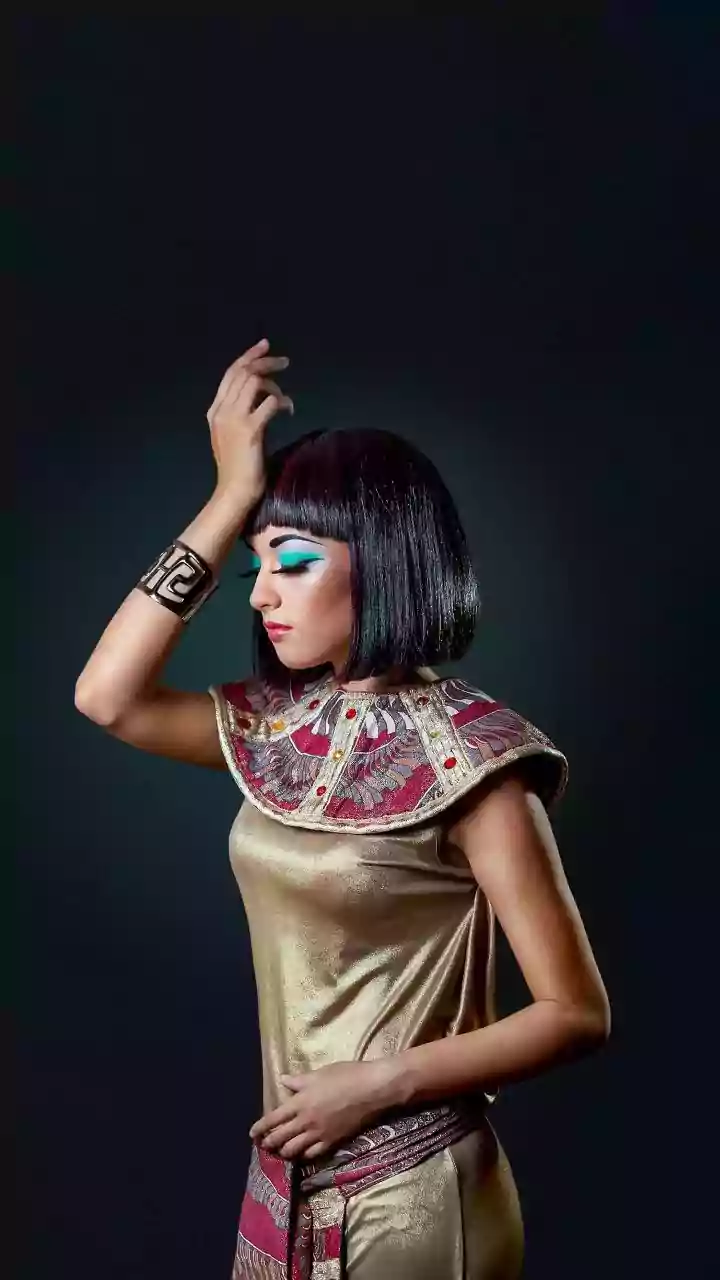
Much of today’s bold beauty pulls directly from the past. The heavy blush draping of the '80s, the grungy, dark lipsticks of the '90s, and the frosty, experimental eyeshadows of the Y2K era are all back in rotation. For younger generations experiencing these trends for the first time, they feel fresh and exciting. For those who lived through them, they offer a comforting hit of nostalgia. But it’s not just a copy-and-paste revival. Today’s versions are updated with modern formulas and techniques. This blend of old and new allows for endless creativity, proving that in beauty, everything old eventually becomes new—and bold—again.