







The New Travel Manifesto
For decades, the quintessential Indian vacation was a family affair. Think multi-generational pilgrimages or carefully planned trips to ‘hill stations’—colonial-era mountain retreats. The goal was comfort, familiarity, and sticking together. That model
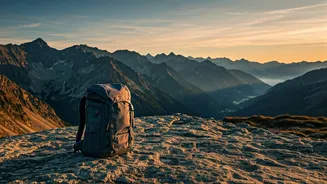
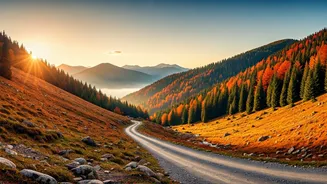
is being rapidly dismantled by a generation of Indians in their teens and twenties. For them, travel isn't about escaping with family; it's about escaping *from* the familiar. They are trading the comfort of a resort for the camaraderie of a hostel dorm, the certainty of a pre-booked itinerary for the thrill of a spontaneous road trip. This isn't just a preference; it’s a cultural declaration. Experience is the new currency, and authenticity, often found in roughing it a little, is the ultimate prize.
Fueling the Freedom Engine
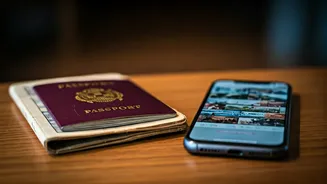
So, what’s driving this seismic shift? It’s a perfect storm of economic and technological change. India has one of the world's largest youth populations, and a growing segment of them, while not wealthy by Western standards, have disposable income for the first time. A weekend trekking trip costing $50 might be a rounding error for a young professional in New York, but in India, it represents an accessible slice of independence. Parallel to this is the digital explosion. Ubiquitous cheap data and smartphone penetration have put the tools of a travel agent into every pocket. Apps for booking last-minute train tickets, finding budget-friendly homestays, and navigating with Google Maps have eliminated the logistical barriers that once made independent travel daunting.
The Instagram-Fueled Itinerary
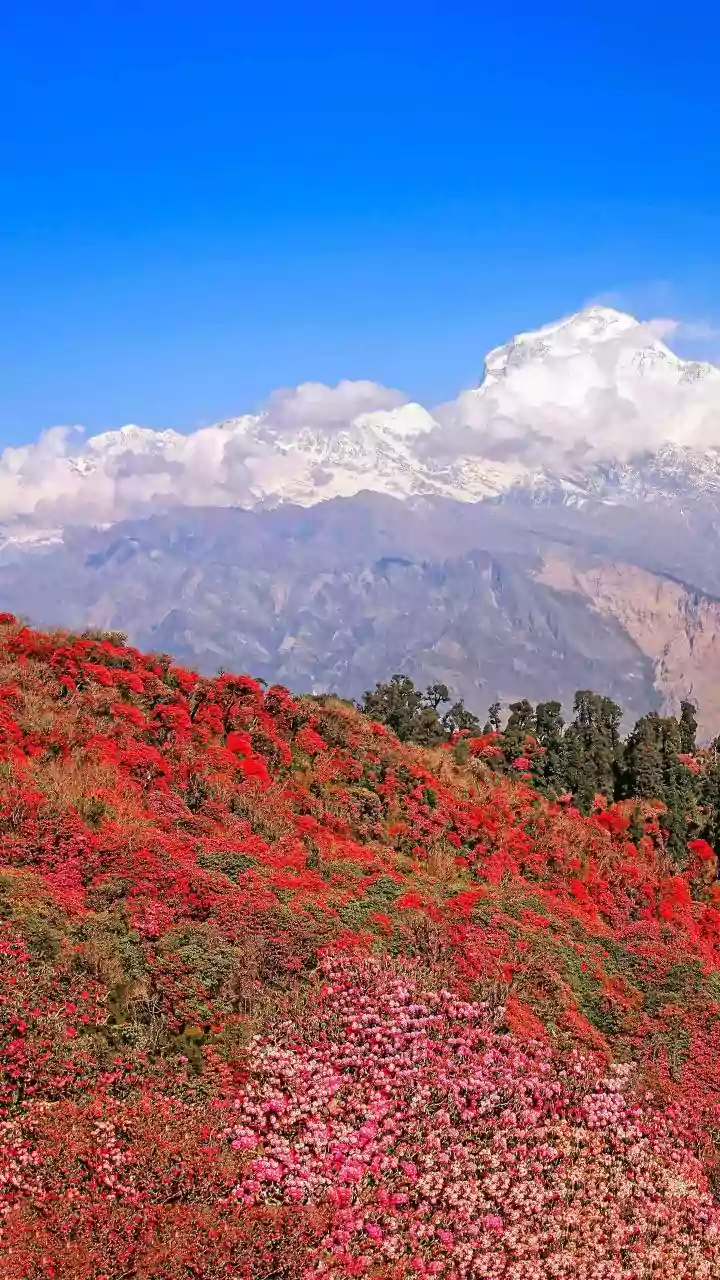
You can't talk about youth culture anywhere in the world without talking about social media, and India is no exception. Instagram, in particular, acts as both a catalyst and a compass. It’s not just about posting the perfect sunrise shot from a Himalayan peak; it’s the primary tool for discovery. Young Indians follow domestic travel influencers who showcase off-the-beaten-path waterfalls and local cafes, creating a new digital word-of-mouth. Hashtags like #indiantravelblogger or #himalayasarecalling are not just labels; they are living, breathing guidebooks. This creates a feedback loop: seeing peers have these adventures normalizes the desire for them, turning a niche activity into a mainstream aspiration.
A Boom in Backpacker Infrastructure
Demand creates supply. In response to this new wave of travelers, a uniquely Indian budget travel infrastructure has flourished. The most visible sign is the rise of the modern hostel. Chains like Zostel and goStops have built a network of clean, safe, and, crucially, social accommodations across the country. They offer more than just a cheap bed; they offer a community. With common rooms, organized activities like city walks and bonfires, and a vibe that encourages interaction, they are magnets for solo travelers and small groups. These aren't the grimy hostels of old backpacker lore. They are stylish, Wi-Fi-equipped hubs designed for the digital nomad generation, making it easy to meet people and share tips, further fueling the cycle of affordable adventure.
More Than Just a Vacation
Ultimately, this trend is about more than just cheap thrills. For many young Indians, particularly women, a solo or friends-only trip is a profound act of claiming agency in a society that can still be deeply patriarchal and traditional. It’s a chance to make decisions, navigate challenges, and define one’s own identity away from the watchful eyes of family and community. In a country where many young adults live with their parents until marriage, a weekend away represents a precious pocket of autonomy. These trips are a dress rehearsal for an independent life, a way to build confidence and resilience before diving into the high-pressure worlds of career and family that await them. It’s a quiet rebellion, played out one bus ride and one mountain trail at a time.