






The Icy Awakening: Cold Plunges
You’ve seen it all over social media: athletes, CEOs, and wellness gurus grimacing for a minute or two in a tub of ice water. The cold plunge has officially gone mainstream. Proponents, inspired by figures like Wim Hof, swear by its benefits, claiming
the shock to the system releases endorphins, reduces inflammation, and sharpens mental focus. The theory is that the intense cold constricts blood vessels, and upon emerging, the subsequent rush of blood helps flush out metabolic waste from muscles. While the initial dip is undeniably brutal, followers report a unique, lasting sense of clarity and energy that coffee can’t match. For those not ready to fill their tub with ice, even a 30-second blast of cold water at the end of a shower can provide a taste of the benefits.
Fueling Up on Empty: Fasted Cardio
The debate over “fasted cardio”—doing aerobic exercise on an empty stomach—has been simmering for years, but it’s currently a hot trend. The logic is simple: with no readily available glucose from a recent meal, your body may be more inclined to tap into its fat stores for energy. Many morning runners and cyclists swear by this method for fat loss and improved metabolic efficiency. However, the science is still mixed. Some studies show a slight increase in fat oxidation, while others find no significant difference in overall fat loss compared to exercising after a meal. Performance can also suffer without pre-workout fuel, making it less ideal for high-intensity training. It's a strategy that works well for some, but it’s best reserved for low-to-moderate intensity sessions and may not be suitable for everyone, especially those with blood sugar regulation issues.
Greeting the Day with Flow: Sunrise Mobility
Not every morning trend has to be extreme. A quieter, but equally powerful, movement is the rise of sunrise mobility and yoga sessions. Instead of shocking the system, this practice is about gently waking it up. A 15-to-20-minute routine focused on dynamic stretching, joint rotations, and foundational yoga poses can work wonders after a night of stillness. It helps alleviate stiffness, improves posture, and increases blood flow to muscles, priming your body for the day ahead. More than just a physical warm-up, it’s a mental one, too. Focusing on breath and movement provides a moment of mindfulness, helping to set a calm, intentional tone before the chaos of the day begins.
Crushing Goals Before Dawn: The '5 AM Club' Workout
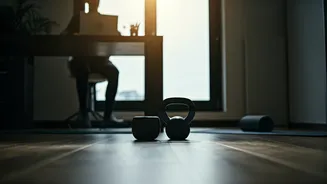
Popularized by leadership expert Robin Sharma and embraced by high-achievers everywhere, the '5 AM Club' isn’t just about waking up early; it’s about using that first hour for intense, focused self-improvement, often in the form of a workout. For these early risers, the pre-dawn quiet offers an interruption-free zone to tackle a demanding CrossFit WOD, a Peloton class, or a heavy lifting session. The appeal is twofold. First, it guarantees the workout gets done before daily responsibilities can derail it. Second, it provides a powerful psychological boost. Accomplishing a difficult physical task before most people are even awake creates a feeling of discipline and momentum that can carry through the entire day.
The Low-Impact Light Show: Red Light Therapy
One of the more surprising additions to the morning wellness toolkit is red light therapy (RLT). This involves exposing the body to low-wavelength red light, typically via a panel or lamp. While it might sound futuristic, the practice is gaining traction for its purported benefits in muscle recovery, skin health (collagen production), and reducing joint pain. Users often incorporate a 10-to-15-minute session into their morning while they meditate, stretch, or listen to a podcast. It's a completely passive and low-effort routine, making it an appealing alternative for those who don't want to start their day with ice baths or burpees. While more research is needed to confirm all its claims, RLT has become a go-to pre-breakfast ritual for biohackers looking for a gentle edge.