







From Table Scraps to Tailored Diets
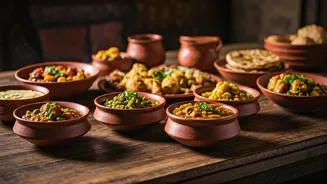
For generations, the concept of “dog food” in many Indian households was simple: dogs ate what the family ate. A portion of rice, a bit of dal (lentil stew), some flatbread (roti), or other leftovers were the standard fare. This wasn't neglect; it was a cultural
norm rooted in a time when pets were seen more as functional members of a household—for security or companionship—rather than surrogate children. Commercially produced pet food was a niche product, often viewed as an unnecessary, Westernized luxury reserved for the very wealthy or professional breeders. The idea of a specialized, high-protein diet would have been completely foreign to the average pet owner.
The Rise of the Urban 'Pet Parent'
This traditional picture is rapidly changing, driven by powerful economic and social shifts. India’s booming economy has created a vast and growing middle class with disposable income. As millions move from rural villages to sprawling cities for jobs, the traditional multi-generational family unit is often replaced by smaller, nuclear families. In these urban apartments, a dog or cat is no longer just a guard animal but a cherished family member providing companionship against urban isolation. This phenomenon, known as “pet humanization,” is the primary engine of the new market. Just as American millennials famously dote on their “fur babies,” a new generation of Indian pet owners are becoming “pet parents.” They celebrate their pets’ birthdays, dress them in accessories, and, crucially, scrutinize what goes into their food bowls.
Why Protein Became the New Premium
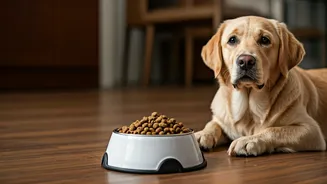
The focus on high-protein formulas isn't random. It mirrors a global wellness trend that has dominated human nutrition for the past decade. Just as consumers in the U.S. and Europe started seeking out paleo, keto, and protein-packed foods for themselves, that mindset has been projected onto their pets. Protein is now a marketing shorthand for quality, health, and a more “ancestral” or “natural” diet. For Indian pet parents, who are often first-generation buyers of commercial pet food, this messaging is incredibly effective. They are skipping the first-generation, grain-heavy kibbles that dominated the U.S. market in the 80s and 90s and jumping straight to the premium, high-protein options they see advertised on the internet. E-commerce platforms and social media have accelerated this leapfrogging, exposing them to global trends and making premium products accessible with a click.
A Gold Rush for Global and Local Brands
The market opportunity is enormous. India’s pet food market is one of the fastest-growing in the world, projected to expand significantly in the coming years. This has sparked a gold rush. Global giants like Mars Petcare (owner of Royal Canin and Pedigree) and Nestlé (owner of Purina) have been in India for years but are now aggressively expanding their premium lines. They are competing with a new wave of nimble, direct-to-consumer Indian startups. These local brands often have an edge in marketing, using digital-first strategies and appealing to national pride by highlighting locally sourced ingredients. They position themselves as fresher, more trustworthy alternatives to the multinational corporations, creating a dynamic and competitive marketplace where the ultimate winner is the consumer looking for the very best for their pet.