

The Double Threat in the Drip Tray
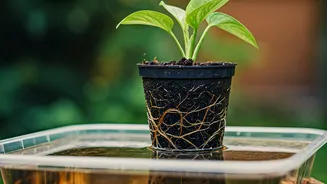
That little pool of excess water might seem trivial, but it creates two significant problems. The first is for your plant’s health. When roots sit in water, they are deprived of oxygen, a condition that leads to root rot. This fungal disease is one of the most
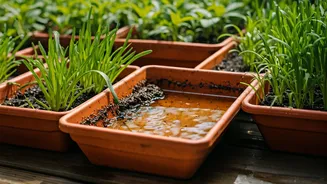
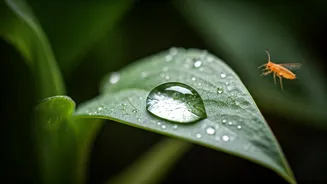
common and effective killers of houseplants. The roots turn brown and mushy, lose their ability to absorb nutrients, and the plant slowly suffocates from the bottom up. By the time you notice yellowing leaves and a wilting stem, the damage below the soil is often extensive. The second threat is to your home environment. Stagnant water is the perfect breeding ground for pests. The most common culprit indoors is the fungus gnat. These tiny, annoying flies lay their eggs in damp soil and standing water. An unattended saucer of water is an open invitation for an infestation that can quickly spread to every pot in your home. Even more concerning, especially for any pots kept on a patio or balcony, is that standing water is where mosquitoes lay their eggs. A seemingly insignificant amount of water is all it takes for them to multiply, turning your personal oasis into a public health nuisance.
Your Standing Water Checklist
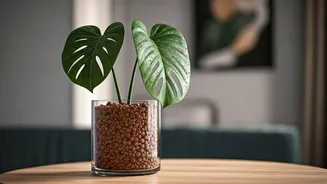
Finding and eliminating standing water requires a bit of detective work, as it hides in more places than just the obvious drip tray. Make it a habit to regularly check these common problem areas: **Deep Saucers:** The most frequent offender. After a thorough watering, a surprising amount of water can collect here. If the pot is heavy, it’s easy to forget to check. **Cache Pots:** These are the decorative outer pots that don’t have drainage holes. It's incredibly common for water to pool at the bottom of a cache pot after the inner nursery pot has drained, creating a hidden swamp that your plant’s roots are sitting in. **Self-Watering Planters:** While designed for convenience, the reservoirs in these planters can become stagnant if not managed properly. The water can grow algae or become a breeding ground for pests. It’s important to periodically empty and clean them, rather than just constantly refilling. **Propagation Stations:** Jars and vases used for rooting cuttings are, by definition, full of standing water. Change the water every few days to keep it fresh, oxygenated, and free of algae or mosquito larvae.
The 30-Minute Rule
Preventing standing water doesn’t mean you should underwater your plants. The key is to adopt a smarter watering routine. The best practice is to water your plants thoroughly until water runs freely from the drainage holes. This ensures the entire root ball gets hydrated. But the crucial next step is to let the plant sit and drain for about 15 to 30 minutes. After that time, make it a non-negotiable step to dump any and all water that has collected in the saucer or cache pot. For heavy pots that are difficult to lift, you can use a turkey baster or a large syringe to suck the excess water out of the tray. Some plant parents also like to place small risers or 'pot feet' under their pots to elevate them slightly from the saucer, which improves air circulation and helps the base of the soil dry out more effectively. This simple habit—watering thoroughly, waiting briefly, and then dumping the excess—is the single most effective thing you can do to prevent both root rot and pest issues.
Beyond the Living Room
This principle extends to any containers you keep outdoors on a porch, patio, or balcony. During warmer months, a water-filled saucer can become a mosquito nursery in less than a week. The same diligence you apply indoors is even more critical outside. After every rainfall or watering, make a tour of your outdoor containers and dump any standing water. This includes not just plant saucers but also any empty pots, buckets, wheelbarrows, or even children’s toys that may have collected rainwater. By being mindful of standing water, you're not just being a better plant parent; you're being a better neighbor. Reducing mosquito breeding grounds is a community effort, and your container garden is a key part of that ecosystem. A dry saucer is a sign of a responsible, knowledgeable gardener who understands that plant care is also about managing the environment around the plant.