



The Classic Monsoon Escape
In the cultural imagination of India, the monsoon isn't just a weather event; it's a season of romance, poetry, and profound relief from the searing summer heat. For decades, the corresponding “monsoon break” was a leisurely affair. Families would pack
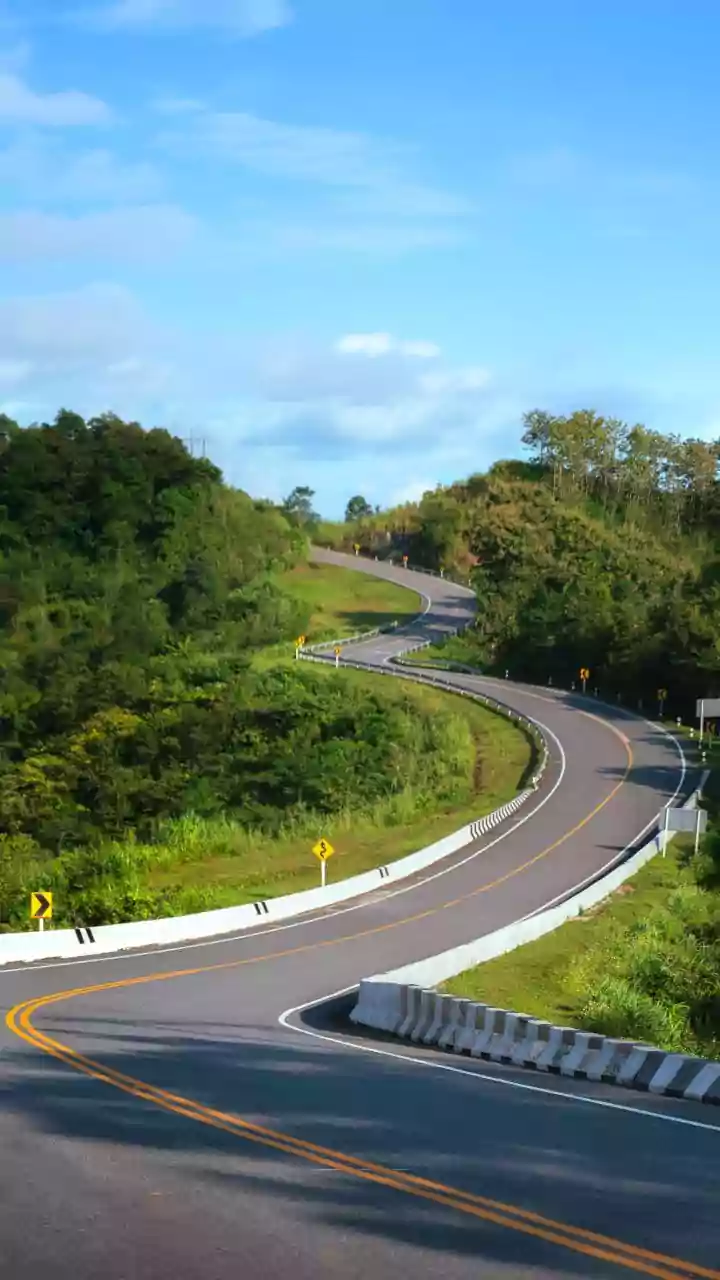
up for weeks at a time, retreating to ancestral homes or colonial-era hill stations like Shimla or Ooty. The journey itself was part of the experience—a long, winding drive or a meandering train ride through mist-covered landscapes. The destinations were predictable, the pace was languid, and the primary goal was to unwind and watch the rain fall, often with a cup of hot chai and a plate of fried pakoras. This was travel as a prolonged, multi-generational ritual, embedded in a slower, pre-digital rhythm of life.
The New Need for Speed
That idyllic picture is fading, replaced by the realities of India’s new economy. For the country’s massive population of millennials and Gen Z—who now make up the largest demographic cohort—the idea of a three-week vacation is often a fantasy. Driven by the demanding schedules of corporate jobs and the hustle of the gig economy, they operate on a different clock. The new mantra is the micro-cation or the weekend getaway. Thanks to a boom in budget airlines, improved national highways, and the rise of online travel aggregators like MakeMyTrip and Goibibo, a trip that once took days of planning and travel can now be booked on a smartphone and completed in a weekend. Young Indians are flocking to destinations within a few hours' drive or a short flight from major cities like Mumbai, Delhi, and Bengaluru, maximizing their limited time off without the logistical-heavy planning of their parents’ generation.
A Greener Shade of Rain
This demand for speed is matched by a growing desire for sustainability. While older generations might have flocked to crowded, heavily commercialized tourist spots, many young Indians are actively seeking something different. They are increasingly wary of the environmental degradation that mass tourism has wrought on popular destinations. This has fueled a powerful trend towards eco-tourism. Instead of sprawling resorts, they’re opting for boutique eco-lodges, sustainable farm stays, and intimate homestays that offer a more authentic connection to the local culture and environment. The goal is no longer just to escape the city, but to immerse oneself in nature responsibly. This “green” shift is about more than just reusable water bottles; it’s a conscious choice to support smaller, local economies and minimize their travel footprint, turning a simple vacation into a statement of values.
Driven by Digital and Demographics
Underpinning this entire transformation is the convergence of technology and demographics. Social media, particularly Instagram, has become a powerful discovery engine. A single viral post of a secluded waterfall in the Western Ghats or a charming homestay in the Himalayan foothills can turn a little-known spot into the next must-visit destination. This digital word-of-mouth creates a feedback loop: travelers seek out unique, picturesque, and often eco-friendly spots to share online, which in turn drives demand for more such experiences. This isn't just about showing off; it's about curating an identity that values authenticity and consciousness. For a generation that came of age with smartphones, travel is an experience to be researched, booked, documented, and shared digitally, and their collective choices are now powerful enough to reshape India's multi-billion-dollar domestic tourism industry.