







Beyond the Yoga Mat
For decades, the global image of Indian wellness has been intrinsically linked to yoga, meditation, and Ayurveda—ancient practices focused on flexibility and spiritual balance. While these remain deeply embedded in the culture, they are no longer the only
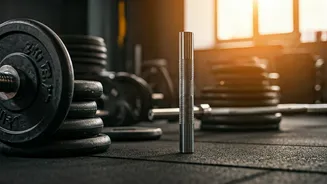
story. In urban centers from Mumbai to Bengaluru, a fitness revolution is underway, and its temple is the weight room. Young Indians, part of the world’s largest youth population, are embracing barbells, kettlebells, and squat racks with an enthusiasm that is reshaping the country's $1.5 billion fitness industry. Walk into a modern Indian gym today, and you’re less likely to find a quiet yoga class than a bustling free-weights area crowded with men and, increasingly, women, chasing personal records and documenting their 'gains' for a growing online community.
The Social Media Fuel
This seismic shift is being amplified, if not driven, by social media. Platforms like Instagram and YouTube have become virtual coaches and communities for millions. Indian fitness influencers, who boast followings in the millions, are the new celebrities, providing workout tutorials, nutrition tips, and—most importantly—visual proof of transformation. Unlike the often subtle, internal benefits of yoga, the results of strength training are tangible and telegenic. Before-and-after photos, videos of heavy lifts, and sculpted physiques offer a powerful, aspirational narrative that resonates deeply with a generation accustomed to visual communication. This digital ecosystem has democratized fitness knowledge, taking it out of the exclusive domain of expensive personal trainers and making it accessible to anyone with a smartphone. It has also created a new set of body ideals, moving away from the slender 'Bollywood' physique of the past.
A New Definition of Strong
Perhaps the most profound aspect of this trend is the redefinition of strength, particularly for women. Traditionally, Indian beauty standards for women have prized slenderness and delicacy. The idea of a woman actively building muscle was often seen as unfeminine or even taboo. Today, that perception is crumbling. For a growing number of young Indian women, lifting weights is an act of empowerment. It’s about being physically strong and capable, not just aesthetically pleasing. Influencers and athletes are challenging outdated norms, promoting the message that 'strong is the new skinny.' This cultural pivot reflects broader changes in Indian society, where women are claiming more space in education, the workplace, and public life. The gym has become another arena for them to build confidence, resilience, and a sense of control over their own bodies.
Health Over Aesthetics
The COVID-19 pandemic served as a massive catalyst for this movement. The global health crisis brought conversations about immunity, resilience, and metabolic health to the forefront. In India, as elsewhere, there was a collective realization that proactive health measures were critical. Strength training, with its proven benefits for bone density, metabolism, and overall physical robustness, was perfectly positioned as a solution. The focus shifted from purely aesthetic goals—like getting a six-pack for the beach—to the more substantive goal of building a resilient, functional body capable of withstanding illness. Gyms and fitness apps reported a surge in interest from people looking not just to look better, but to *be* healthier, marking a maturation of the fitness mindset across the country.