






More Than Just Miles
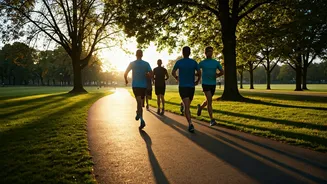
Forget the image of a grueling, hyper-competitive track practice. The modern community run is something else entirely. It’s a low-stakes, high-reward social gathering where the workout is almost secondary. You’ll find them gathering in city parks, outside
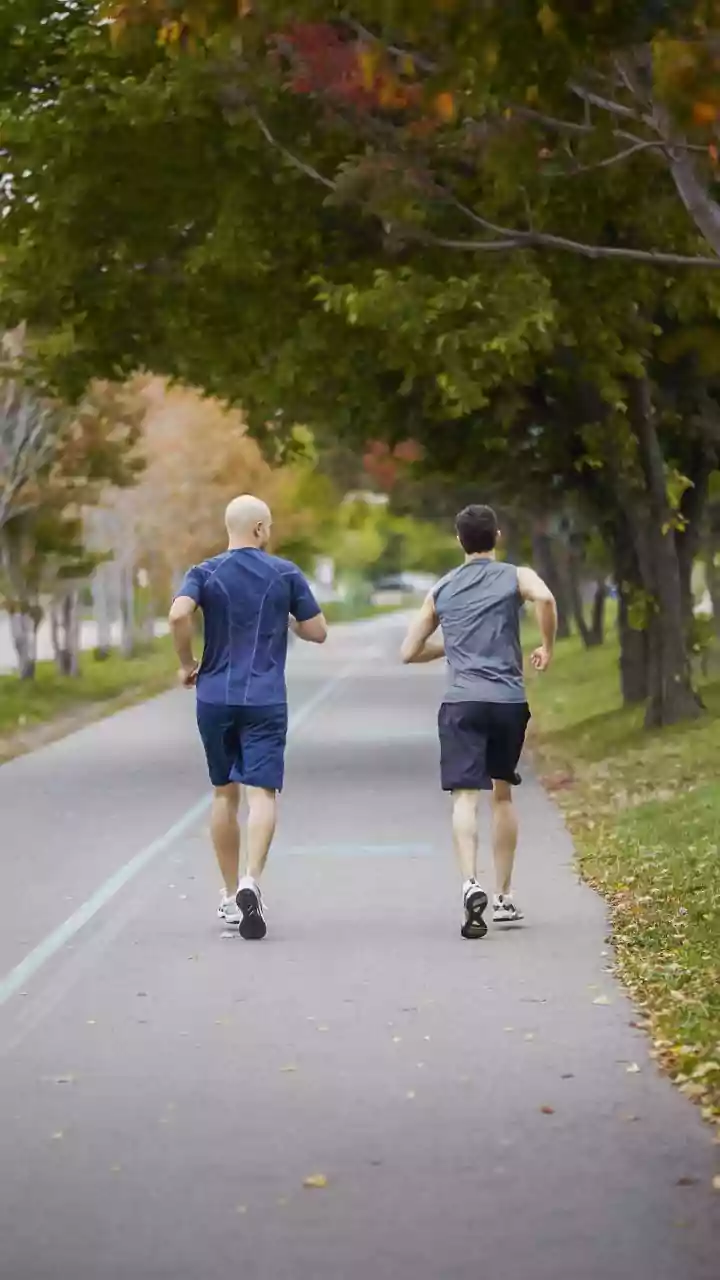
local breweries, and at neighborhood coffee shops. The premise is simple: show up, run a few miles at a conversational pace, and hang out afterward. There are no registration fees, no intimidating starting lines, and no pressure to be the fastest one there. These groups, often called “crews” or “clubs,” are redefining fitness as a communal experience. The real goal isn’t hitting a personal best; it’s making a new friend, catching up with an old one, or simply feeling like part of something for an hour. The run is the excuse, but the connection is the reason people keep coming back.
The Post-Pandemic Social Reawakening
The rise of run clubs isn’t happening in a vacuum. It’s a direct response to years of social isolation and screen-fatigue. After the pandemic forced workouts indoors and interactions onto Zoom, there’s a palpable hunger for authentic, in-person connection. Community runs provide a perfect outlet. They are structured enough to be reliable but casual enough to be accessible. Unlike a dinner party, there’s no hosting pressure. Unlike a bar, the focus isn't solely on drinking. It hits a social sweet spot: a healthy, low-cost, third space where people can build relationships organically. Experts point to this as a key driver of the trend’s growth. In a society grappling with a loneliness epidemic, the simple act of showing up and sharing miles with others is a powerful antidote, rebuilding the social fabric one stride at a time.
Finding Your Pace (And Your People)
The beauty of the community run movement is its diversity. The intimidating “runner” stereotype is being dismantled by a wave of inclusive, niche groups. There are brewery run clubs where the post-run pint is the main event. You’ll find LGBTQ+ crews creating safe and celebratory spaces, stroller-friendly groups for new parents, and crews dedicated to exploring city murals. Some groups are focused on training for marathons together, while others pride themselves on their “back of the pack” vibe, ensuring no one is ever left behind. This specialization means almost anyone can find their fit. The message is clear: you don’t have to change who you are to join. Whether you're a seasoned athlete or someone who hasn't run since high school gym class, there’s a group out there that will welcome you, matching not only your pace but your personality.
The 'Soul' Factor: Built-in Accountability
Here’s where the “soul” of the trend truly lies. It’s in the shared commitment. It’s easy to skip a solo workout when it’s cold or you’re tired, but it’s much harder when you know a friend is waiting for you. This built-in accountability is a huge motivator. But the soul goes deeper. It’s the encouragement you get on the last hill. It’s the shared laughter over a post-run coffee. It’s the mental health boost that comes from combining physical exertion with social bonding. Running releases endorphins, but running with people you like releases something more. It fosters a sense of belonging and mutual support that a treadmill or a fitness app can never replicate. This shared experience—the struggle, the triumph, the conversation—is what transforms a simple jog into a meaningful ritual.