



Beyond the ‘Curry Powder’ Myth
For decades, the American understanding of Indian spice has been dominated by a single, dusty yellow container labeled “curry powder.” But here’s the secret: curry powder is largely a British invention, a one-size-fits-all approximation of the subcontinent's
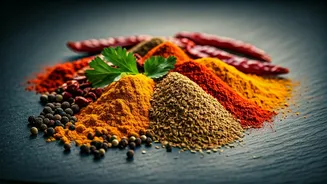
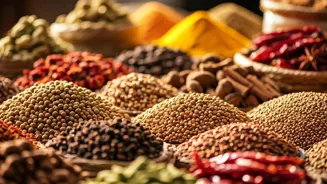
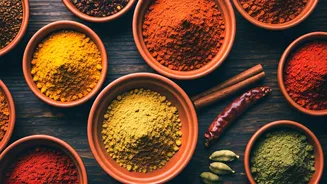
vast and varied flavors. In India, the equivalent is “masala,” which simply means a blend of spices. And there isn't just one—there are thousands. Each region, and often each family, has its own signature blends tailored for specific dishes, creating a unique culinary identity. A masala for fish in coastal Kerala is worlds away from a masala for lentils in northern Punjab. This new trend isn't about discovering a new ingredient; it's about finally accessing the specificity and vibrancy that was lost in translation.
A True Taste of Place
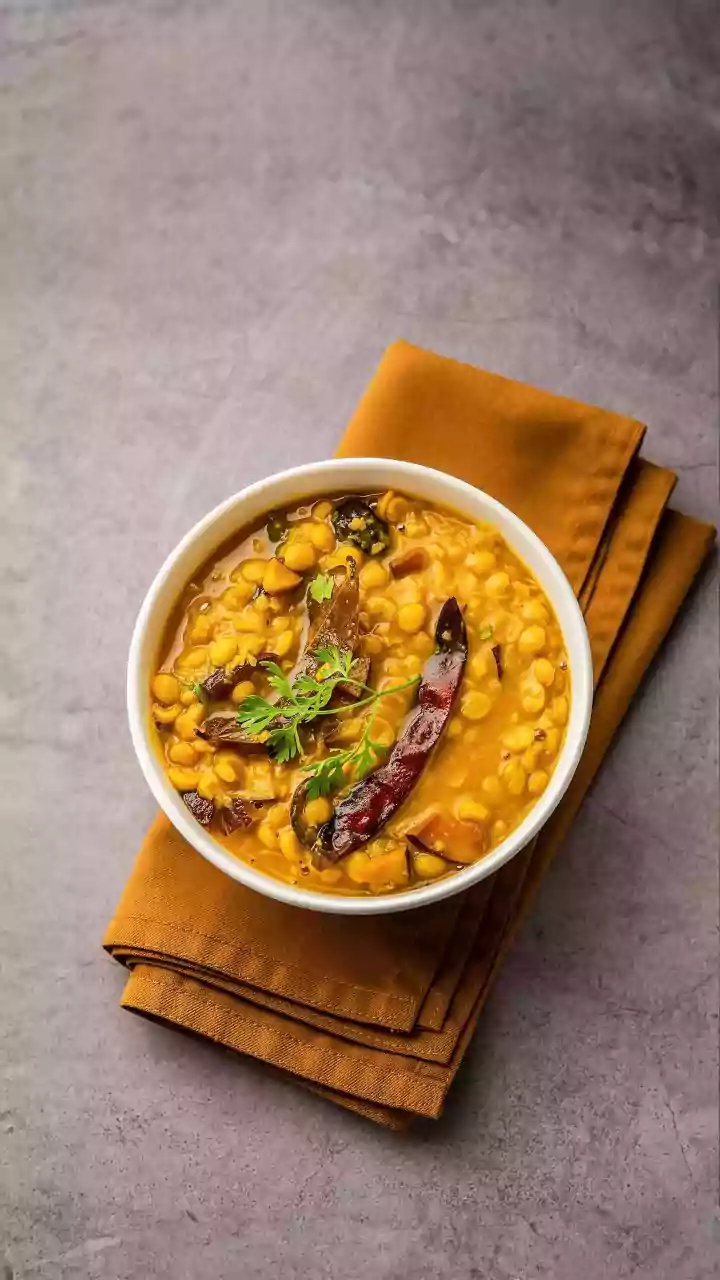
So, what does this regionality taste like? It’s a journey across a map of flavors. Imagine a Maharashtrian goda masala, a dark, complex blend with coconut, sesame, and sweetly aromatic stone flower—perfect for adding depth to lentil stews. Contrast that with a fiery, tangy Goan vindaloo masala, where Kashmiri chiles provide brilliant color and heat, balanced by the sharpness of vinegar. Or travel east to Bengal for panch phoron, a whole-spice masala of cumin, fennel, fenugreek, nigella, and mustard seeds that “blooms” in hot oil to create an astonishingly fragrant base for vegetables and fish. These aren’t just interchangeable seasonings; they are the heart of a dish, a story of a region’s climate, agriculture, and history, all packed into a single blend. Using them doesn’t just change the taste of your food; it changes the entire experience of cooking it.
The New Spice-preneurs
Why is this happening now? A perfect storm of factors is at play. First, a new generation of entrepreneurs, often from the Indian diaspora, are building brands dedicated to sourcing high-quality, single-origin spices and crafting authentic regional blends. Companies like Diaspora Co. and Spicewalla have built loyal followings by emphasizing freshness, transparent supply chains, and the stories of the farmers growing their spices. They’ve leveraged social media and direct-to-consumer models to bypass traditional grocery gatekeepers. Second, American palates have grown more sophisticated. After years of exploring Sriracha, gochujang, and za’atar, home cooks are hungry for the next layer of authenticity. They don't just want “Indian food”; they want to understand the difference between a Chettinad chicken and a Malabar curry.
How to Get Started
Diving into regional masalas can feel intimidating, but it's remarkably simple. The easiest entry point is to use them as a finishing spice or a simple rub. Have some roasted vegetables? Instead of salt and pepper, toss them with a pinch of a South Indian sambar masala for an instant, complex upgrade. Making burgers? Mix a little smoky, earthy kebab masala into the ground meat before grilling. The beauty of a well-made masala is that the blending work is already done for you. You don't need to own twenty different spice jars to create a deep, balanced flavor. Start with one or two blends that sound appealing and experiment. Let go of the need to cook a “perfectly authentic” dish and simply focus on what tastes good to you. Sprinkle it on popcorn, whisk it into yogurt for a dip, or add a dash to your morning eggs. The goal is exploration, not perfection.