



The 'Feels Better' Part: Flavor Is King
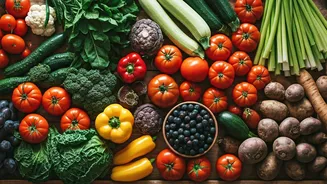
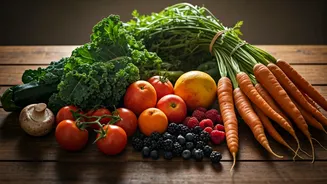
The primary, most undeniable reason to eat seasonally is pleasure. A tomato picked in the peak of August, heavy and fragrant from the sun, tastes fundamentally different from its pale, hard counterpart found in the dead of winter. That’s not nostalgia;
it’s science. When produce is allowed to ripen fully on the vine, its natural sugars develop, its aromatic compounds intensify, and its texture reaches perfection. The journey from farm to table is shorter, meaning less time spent in refrigerated trucks, which can kill flavor and create a mealy texture in delicate produce like tomatoes and peaches.Eating seasonally reintroduces a sense of anticipation and eventfulness to our diets. In a world of year-round, on-demand everything, waiting for asparagus season in the spring or for the first crisp apples in the fall becomes a small, joyful ritual. It creates a narrative for your year, told through flavors. This scarcity makes the reward sweeter. When you can have anything, anytime, nothing feels special. When you have to wait for strawberry season, that first bite feels like a celebration.
The 'Smarter' Part: A Savvier Choice
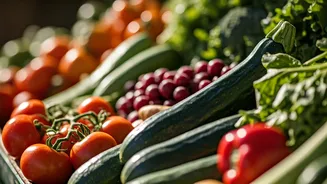
Beyond the sheer joy of it, aligning your plate with the calendar is an intelligent move on multiple fronts. First, it’s smarter for your wallet. Basic economics dictates that when a crop is abundant locally, its price drops. Those piles of zucchini in late summer or bushels of apples in October aren't just picturesque; they're a bargain. Letting the seasonal ebb and flow of produce guide your grocery list is one of the easiest ways to cut down on food costs without sacrificing quality.It’s also a smarter choice for your health. While the nutritional difference isn't always dramatic, produce consumed closer to its harvest time often retains more of its vitamins and antioxidants. Nutrients degrade over time and with exposure to light and air during long-distance shipping and storage. An orange picked in Florida and eaten a week later is simply going to pack a more potent punch than one that has traveled for weeks from the other side of the world.Finally, it's smarter for the planet. The environmental cost of demanding strawberries in January in New York is immense. It requires significant energy for greenhouse cultivation or thousands of “food miles” via planes and trucks, burning fossil fuels along the way. Eating locally and seasonally dramatically reduces your food's carbon footprint, making it a quiet but powerful act of environmental stewardship.
Expanding Your Seasonal Mindset
This isn't just about fruits and vegetables. True seasonality touches every part of the kitchen. It’s about craving hearty root vegetable stews and slow-braised meats in the cold, dark months, then naturally shifting to light, bright salads and grilled fish when the days are long and hot. Our bodies seem to know this instinctively. Who wants a piping hot beef bourguignon on a 95-degree day?This rhythm also applies to seafood, where concerns over sustainability and peak quality are paramount. Certain fish have specific seasons when they are most abundant and their populations are healthiest for harvesting. Even cheese has seasons, with the flavor of milk changing based on what an animal is grazing on, from fresh spring grass to dried winter hay.
How to Get Started (Without the Stress)
Adopting a seasonal approach doesn’t mean you’re forbidden from ever buying a raspberry in the winter. It’s not about rigid purity; it’s about a gentle shift in mindset. Start small. The next time you’re at the grocery store, pay attention to the signs. Where is the produce from? If the asparagus is from Peru in November, maybe opt for the butternut squash from a few states over instead.Better yet, visit a local farmers' market. It's the ultimate cheat sheet for seasonality. Whatever the farmers are selling in abundance is what's at its peak right now, right where you live. Talk to them. Ask what’s tasting best. Let their harvest dictate one or two of your meals for the week. You’ll not only get the best-tasting food, but you’ll also reconnect with the source of your sustenance and the natural rhythm of the place you call home.