






What is Functional Fitness, Really?
Forget the image of a bodybuilder isolating a single bicep. Functional fitness is a training philosophy that prepares your body for the movements you perform every day. It's less about how much you can bench press and more about how efficiently you can lift
a heavy suitcase into an overhead bin. At its core, functional training involves compound exercises that engage multiple muscle groups and joints simultaneously—just like life does. Think about it: you never just use your quads to stand up from a chair; you use your glutes, hamstrings, core, and back, too. Functional fitness trains these muscle systems to work together, improving coordination, balance, and overall capability.
Beyond the Bicep Curl
Traditional gym routines often focus on isolating individual muscles for aesthetic goals. A bicep curl makes your biceps bigger, and a leg extension targets your quads. Functional fitness flips the script by prioritizing movement patterns over muscle groups. The primary patterns are pushing (like pushing a door open), pulling (like pulling a lawnmower cord), squatting (sitting and standing), lunging, hinging (bending over to pick something up), and carrying. By training these fundamental movements, you're not just strengthening muscles; you're improving the neuromuscular communication that makes these actions smooth, efficient, and safe. This approach builds a foundation of strength that is immediately applicable outside the gym walls.
The 'Inside Out' Advantage
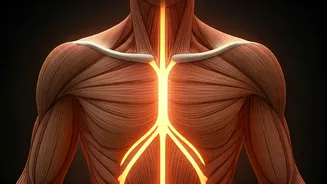
The phrase “inside out” perfectly captures the benefits. This training style strengthens the deep, stabilizing muscles of your core and around your joints first. A strong, stable core acts as the anchor for all your movements, protecting your spine and improving your posture. This internal stability is what helps prevent the tweaked backs from lifting a laundry basket or the shoulder strain from reaching for something on a high shelf. The result is a body that doesn't just look strong but is resilient and less prone to the aches, pains, and injuries that can derail daily life. You'll feel more confident and capable in everything you do, from gardening and housework to recreational sports.
Functional Moves You Already Practice
The best part about functional fitness is that it’s not as intimidating as it might sound. In fact, you're already familiar with the core movements. A squat, for instance, is simply the motion of sitting down and standing up. A deadlift mimics the proper form for picking up a heavy box off the floor. And the “farmer's carry”—walking while holding heavy weights in each hand—is just a more intense version of carrying your groceries from the car to the kitchen. Other examples include kettlebell swings, which train hip-hinging power, and push-ups, a classic full-body pushing exercise. By viewing exercise through this lens, the gym becomes a practice field for life, not a separate, unrelated activity.
How to Get Started
Integrating functional fitness into your routine is straightforward. Start by prioritizing compound, multi-joint exercises. If you're new to fitness, begin with bodyweight movements like air squats, lunges, push-ups (on your knees if needed), and planks. Focus meticulously on your form—a slow, controlled movement is far more beneficial than a fast, sloppy one. As you get stronger, you can add weight with dumbbells, kettlebells, or resistance bands. The goal isn't to lift the heaviest weight possible, but to lift a challenging weight with perfect control. Shift your mindset from 'What muscles am I working?' to 'What real-life movement am I getting better at?' This change in perspective is the key to unlocking the true power of functional strength.