



Ditch the Protein Supplements
One of the most talked-about recommendations from India's National Institute of Nutrition (NIN) is its firm stance against the routine use of protein supplements. For years, American wellness culture has pushed tubs of whey, casein, and plant-based protein powders
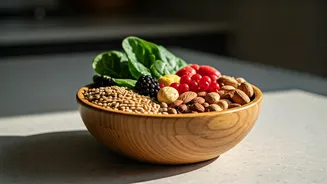
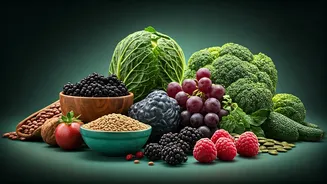
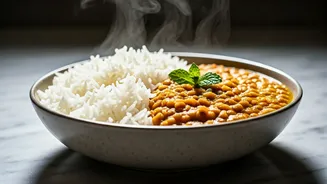
as essential for everyone from elite athletes to casual gym-goers. The Indian guidelines push back, arguing that for most people, a balanced diet provides more than enough protein. They warn that consuming high-protein supplements without a genuine, medically-advised need can put unnecessary strain on the kidneys and may even contribute to bone mineral loss. The takeaway is refreshingly simple: instead of scooping powder into a shaker bottle, focus on getting your protein from real, whole foods like lentils, beans, eggs, fish, and lean meats.
Declare War on Ultra-Processed Foods
This isn't a new concept, but the Indian guidelines frame it with powerful clarity. They draw a direct line between the rise of ultra-processed foods (UPFs)—think packaged snacks, sugary drinks, and ready-to-eat meals—and the explosion of obesity and non-communicable diseases like diabetes. These foods are engineered to be hyper-palatable but are often stripped of nutrients and loaded with unhealthy fats, sugars, and sodium. The guidance isn't just to “eat less” of them; it’s to understand that they are fundamentally different from whole foods. By labeling them as a primary public health threat, the advice encourages a return to home cooking and meals made from scratch, which naturally limits your exposure to the additives and empty calories that define the UPF landscape.
Embrace ‘Local and Seasonal’
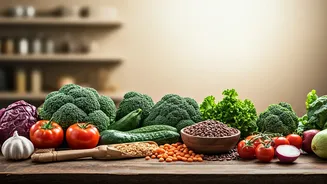
While American supermarkets pride themselves on offering strawberries in December and asparagus in October, the Indian guidelines champion a more grounded approach: eat what grows around you, when it grows. This isn't just about environmental sustainability; it's about nutritional quality and affordability. Foods that are in season and grown locally are often fresher, more nutrient-dense, and cheaper than produce that has been shipped halfway around the world. This philosophy encourages a connection with local food systems, like farmers' markets, and helps re-establish a natural rhythm to our eating habits that has been lost in the age of the 24/7 global supply chain.
Balance Your Plate, Not Just Your Calories
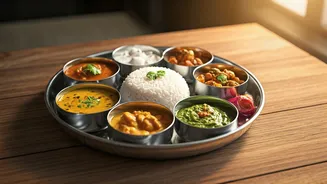
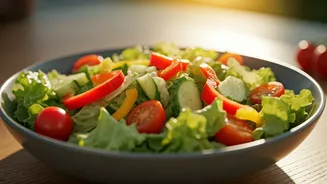
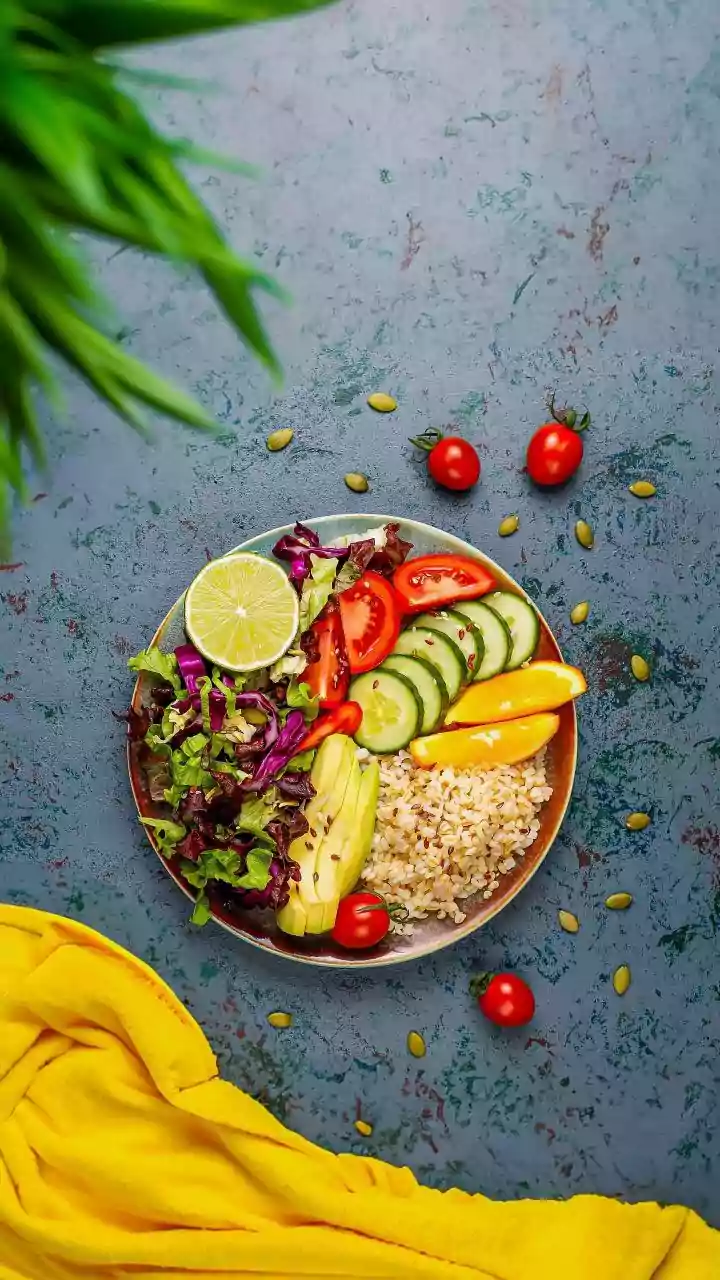
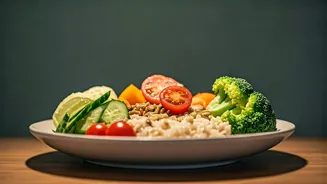
Forget meticulous calorie counting and macro tracking. The Indian guidelines promote a visual, intuitive model for a balanced meal. The recommendation is to fill half your plate with vegetables and fruits, a quarter with whole grains (like brown rice or whole wheat roti), and the final quarter with a protein source (like dals, legumes, or fish). This simple, plate-based model demystifies “healthy eating” and makes it accessible to everyone, regardless of their nutritional expertise. It shifts the focus from an obsessive, numbers-driven approach to a holistic one centered on food groups and variety, which is a far more sustainable and less stressful way to eat for the long term.
Be Smart About Cooking Oils
In a world of conflicting headlines about which fats are “good” or “bad,” the Indian advice offers practical wisdom. The NIN recommends using a variety of cooking oils in rotation—such as mustard oil, soybean oil, and peanut oil—rather than sticking to a single type. Different oils have different fatty acid profiles, and rotating them can help ensure you're getting a balanced mix of monounsaturated, polyunsaturated, and essential fatty acids. They also strongly caution against consuming any single oil that has been heated repeatedly, a common practice in some food stalls and even households, as this process can create harmful trans fats. It’s a nuanced take that moves beyond the simple “olive oil is king” narrative often dominant in the West.