




The Intimidation of Traditional Mithai
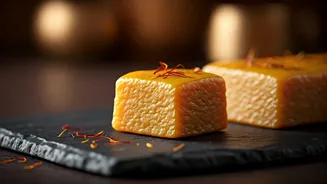
Picture a bustling Indian kitchen before a festival like Diwali or a big family wedding. The air is thick with the scent of cardamom, saffron, and roasting nuts. At the center of it all is the *mithai*—the sprawling category of Indian confections. And
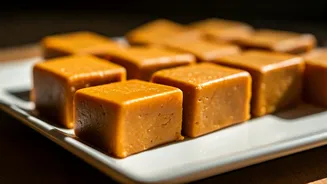
at the heart of many of those confections is *khoya* (or *mawa*), a dense, milk-solid base made by simmering down gallons of full-fat milk for hours until it’s reduced to a thick, granular paste. It’s a labor of love, patience, and strong biceps from constant stirring. This single, time-consuming step is why many of us, despite our best intentions, relegate mithai-making to the pros or our grandmothers. Who has three hours to babysit a pot of milk? The barrier to entry for traditional barfi, a fudge-like sweet, is high. It’s delicious, but it feels like a project, not a whim.
The Three-Ingredient Genius Hack
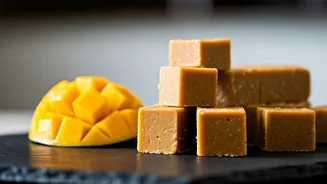
This is where the 'lazy' shortcut becomes an act of pure genius. Instead of making khoya from scratch, you reverse-engineer it with three shelf-stable pantry staples: milk powder, sweetened condensed milk, and ghee (clarified butter). This combination is the magic trick. The milk powder provides the granular, milky solids. The condensed milk brings the sugar and the creamy, liquid binder. The ghee adds richness and prevents sticking. When cooked together for just a few minutes, they create a near-perfect approximation of traditional khoya's texture and flavor profile. It’s a modern solution for a timeless craving. Add a can of high-quality mango pulp—the undisputed king of summer fruits—and you’re not just making a shortcut; you’re making something spectacular, vibrant, and bursting with flavor.
Your 15-Minute Path to Mango Bliss
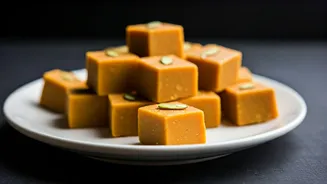
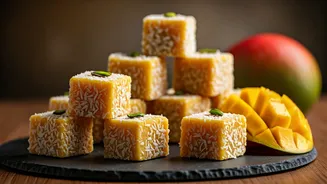
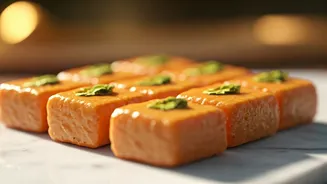
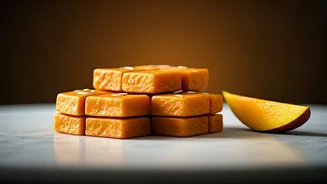
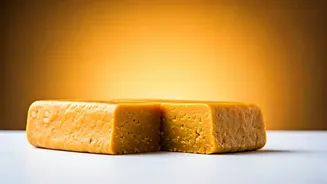
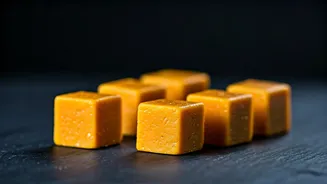
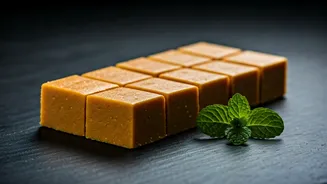
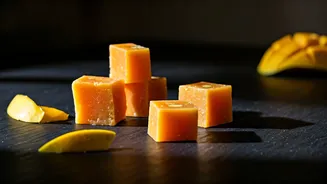
Ready? This is almost too easy. In a non-stick pan over low heat, lightly toast about two cups of full-fat milk powder for a minute or two until it's fragrant. This step is crucial for getting rid of the raw taste. Add a couple of tablespoons of ghee and mix until the powder looks like wet sand. Now, pour in a can of sweetened condensed milk (about 14 ounces) and a cup of thick mango pulp (Kesar or Alphonso varieties are best). Keep the heat on low-medium and start stirring. This is the only 'work' you'll do. Keep stirring continuously with a spatula, scraping the bottom and sides of the pan. Within 10 to 12 minutes, the mixture will thicken considerably, pull away from the sides of the pan, and form a single, glossy mass. That’s it. You’re done. Turn off the heat, stir in a pinch of cardamom powder if you like, and spread the mixture onto a greased tray or parchment-lined pan. Let it set, and you've just made mithai.
Embrace the 'Lazy' Compliment
Calling this shortcut 'lazy' misses the point entirely. It's not lazy; it's accessible. It’s for the daughter who wants to bring a piece of her culture to a potluck without taking a day off work. It’s for the new parent who wants to make a treat for their kids but only has a 20-minute window. It's for anyone who lives in an apartment without access to specialty Indian grocery stores that sell pre-made khoya. This recipe democratizes mithai. It takes a beloved but laborious tradition and adapts it for the pace of modern life. It ensures that the flavors we grew up with don’t just become memories or things we only eat when visiting relatives. By embracing these clever hacks, we keep the spirit of the tradition alive, making it something we can actively participate in, not just admire from a distance. It’s resourcefulness, not laziness.