



An Ancient Food's Modern Comeback
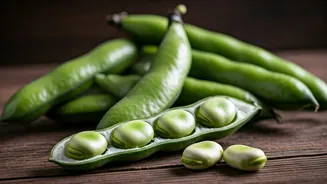
Fava beans, also known as broad beans, are anything but new. They are one of the oldest domesticated food crops, with evidence of their cultivation in the Middle East dating back thousands of years. For centuries, they were a dietary staple across Europe,
Africa, and Asia, prized for their ability to grow in tough conditions and provide hearty sustenance. So why the sudden surge in popularity? The current wellness movement, with its emphasis on plant-based eating and gut health, has created the perfect environment for a fava bean revival. They check all the boxes: they're a whole food, packed with protein and fiber, and incredibly versatile in the kitchen. Their buttery texture and subtly sweet, nutty flavor make them a sophisticated yet simple addition to countless dishes.
The Gut-Friendly Powerhouse
The “gut-friendly” label isn't just marketing hype. Fava beans are exceptionally rich in dietary fiber, particularly soluble fiber. This type of fiber acts as a prebiotic, meaning it serves as food for the beneficial bacteria living in your gut microbiome. A healthy and diverse microbiome is linked to improved digestion, a stronger immune system, and even better mental health. A single cup of cooked fava beans can provide over nine grams of fiber, a significant portion of the recommended daily intake. Beyond fiber, they are a fantastic source of plant-based protein, which is essential for muscle repair and satiety. They also deliver a healthy dose of folate, manganese, copper, and iron, making them a true nutritional powerhouse disguised as a simple bean.
An Important Health Note: Favism
While fava beans are a healthy choice for most people, there is a crucial exception. They can be dangerous for individuals with a genetic condition called Glucose-6-Phosphate Dehydrogenase (G6PD) deficiency, also known as favism. For people with this deficiency, consuming fava beans can trigger a severe reaction called hemolytic anemia, where red blood cells break down faster than they can be replaced. This condition is most common in people of Mediterranean, African, and Southeast Asian descent. While it affects a minority of the population, the risk is serious. If you have a family history of G6PD deficiency or are unsure of your status, it’s best to consult a healthcare provider before adding fava beans to your diet.
How to Buy, Prepare, and Use Fava Beans
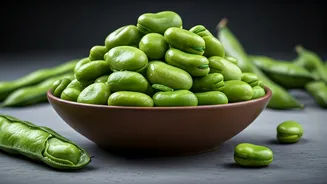
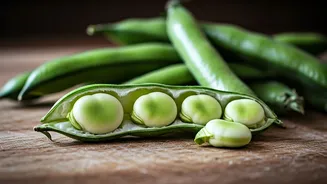
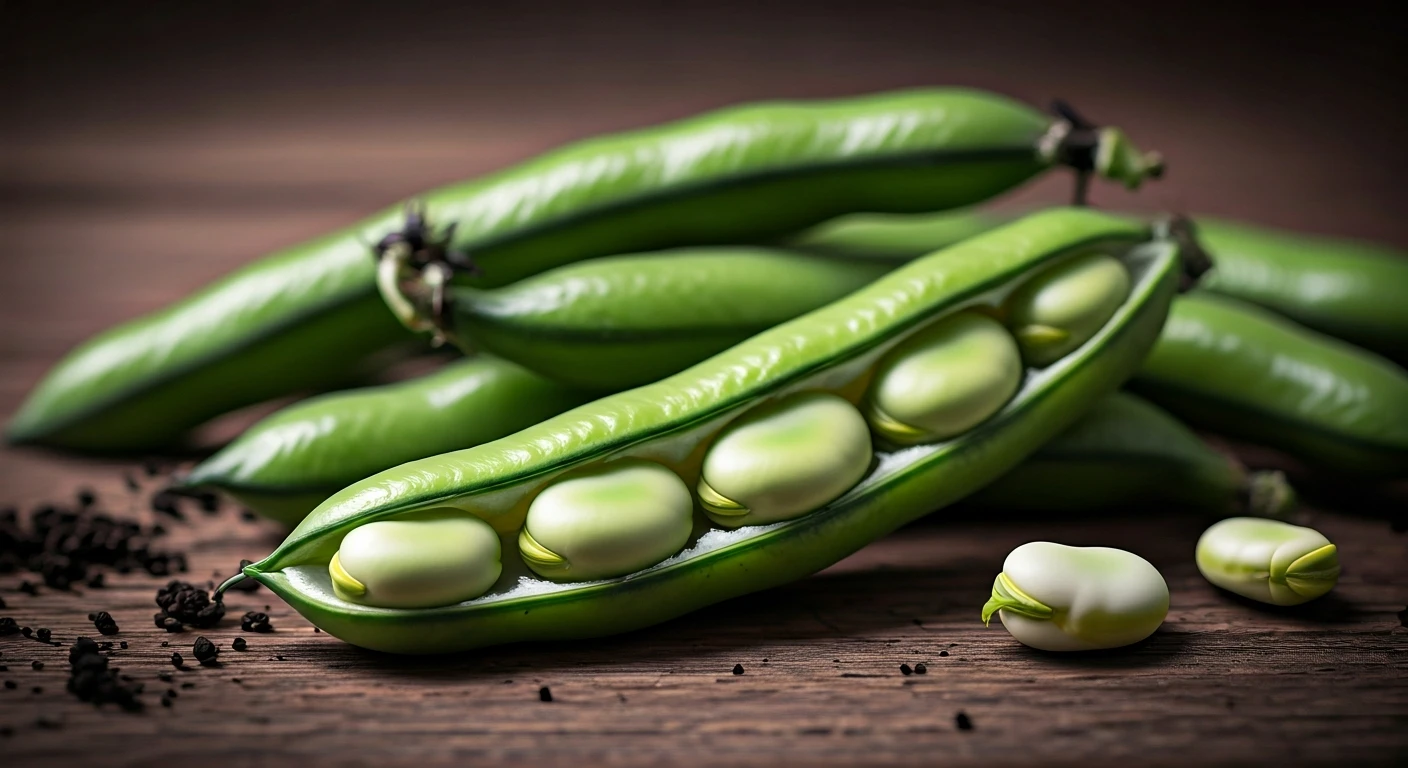
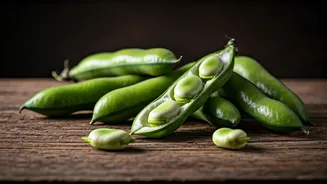
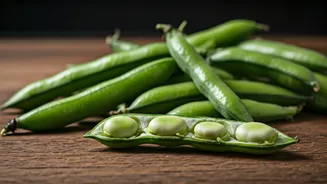
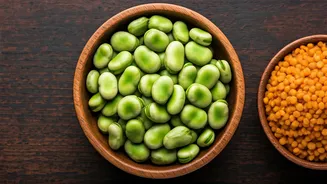
Getting fava beans from the pod to your plate requires a little effort, but the payoff is worth it. You can find them fresh in their large pods during the spring and early summer at farmers' markets and grocery stores. They're also available frozen, canned, or dried year-round. Fresh fava beans require double-shelling. First, you remove them from the main pod, then you blanch them in boiling water for about a minute before plunging them into an ice bath. This second step loosens the waxy, pale skin around each individual bean, which you can then easily peel off to reveal the tender, bright green bean inside. Once shelled, their uses are nearly endless. Smash them with olive oil, lemon, and mint for a delicious toast topping. Toss them into pasta dishes or grain salads for a boost of protein and texture. Or, purée them into a creamy, vibrant dip similar to hummus.