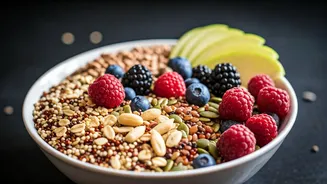









So, What Are Functional Foods?
Think of functional foods not as a radical new category, but as a framework for thinking about what you already eat. The Academy of Nutrition and Dietetics defines them as foods that have a potentially positive effect on health beyond basic nutrition.
They aren't a magic pill, but rather whole, fortified, or enriched foods that, when eaten regularly, can contribute to your overall well-being. This can include conventionally 'healthy' foods like blueberries, which are packed with antioxidants, or products that have been enhanced, like milk fortified with Vitamin D. The idea is simple: food can and should do more for you than just fill you up.
For a Sharper Mind
The headline's promise of making meals feel 'smarter' often starts with brain health. Foods rich in omega-3 fatty acids are the superstars here. These healthy fats are crucial components of the membranes that surround every cell in your body, including brain cells. Consuming them is linked to better cognitive function and memory. The most potent source is fatty fish like salmon, mackerel, and sardines. Plant-based sources include walnuts, chia seeds, and flaxseeds. Adding a sprinkle of walnuts to your morning oatmeal or swapping in salmon for one of your weekly dinners is a simple, effective way to feed your brain.
For a Happier Gut
The gut is often called the 'second brain,' and for good reason. A healthy gut microbiome—the collection of trillions of bacteria living in your digestive tract—is linked to everything from immunity to mood. Functional foods that support gut health are rich in probiotics (beneficial bacteria) and prebiotics (the fiber that feeds them). You can find probiotics in fermented foods like yogurt with live active cultures, kefir, kimchi, and kombucha. Prebiotics are abundant in foods like garlic, onions, bananas, and whole oats. By nourishing your gut, you're not just aiding digestion; you're supporting a complex system that influences your entire body.
The Fortified Advantage
Some functional foods are made, not just grown. Fortification and enrichment are processes where nutrients are added to foods to boost their nutritional value and address common dietary shortfalls. This practice has a long history in U.S. public health, starting with iodized salt to prevent goiter and milk fortified with vitamin D to prevent rickets. Today, you can find orange juice fortified with calcium for bone health, breakfast cereals enriched with folic acid to help prevent birth defects, and even eggs with added omega-3s. These products make it easy to get more nutritional bang for your buck without dramatically changing your eating habits.
Plant-Powered Compounds
Many of the benefits of functional foods come from phytochemicals, which are powerful compounds found in plants. Antioxidants are a well-known example. Found in abundance in colorful fruits and vegetables like berries, leafy greens, and tomatoes (specifically in the form of lycopene), they help protect your body’s cells from damage caused by free radicals. Other compounds, like the catechins in green tea or the flavanols in dark chocolate, are associated with benefits for heart health and circulation. Eating a wide variety of colorful plant-based foods is the best strategy to ensure you're getting a diverse range of these protective compounds.
Easy Ways to Add Them In
Incorporating functional foods doesn't require a special shopping trip or a culinary degree. It’s about making small, intentional upgrades. Start by swapping white bread for a whole-grain loaf rich in fiber. Add a handful of spinach to your morning smoothie or a scoop of chia seeds to your yogurt. Choose salmon over steak for dinner once a week. When you reach for a snack, grab a handful of almonds or an apple. These small shifts, compounded over time, can help you build a diet that actively works to support your health goals, making every meal feel just a little bit smarter.