




The Romantic Pull of the Rains
For years, savvy travelers have sworn by a well-kept secret: visit popular destinations during their monsoon or “green” season. The pitch was simple and seductive. While others crowded beaches and cities in peak season, you could experience places like
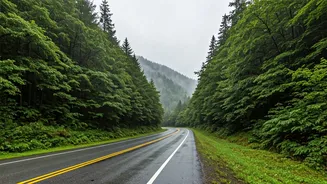
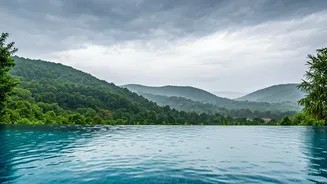
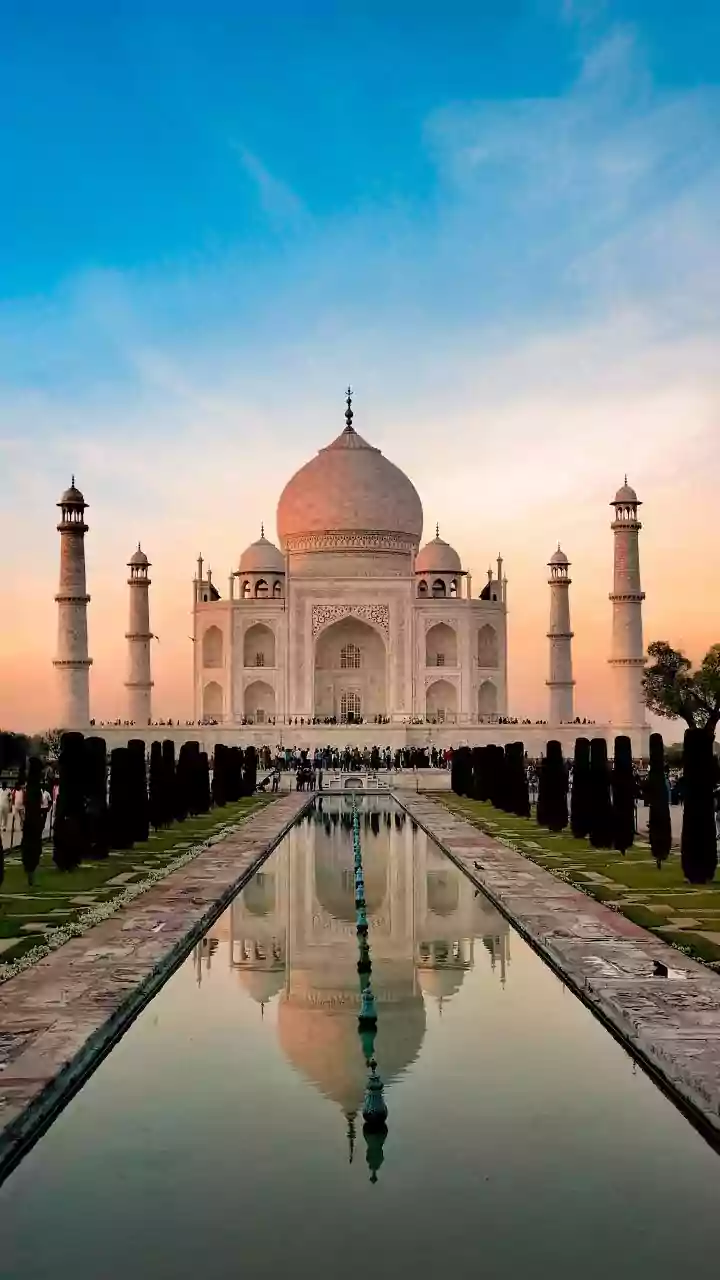
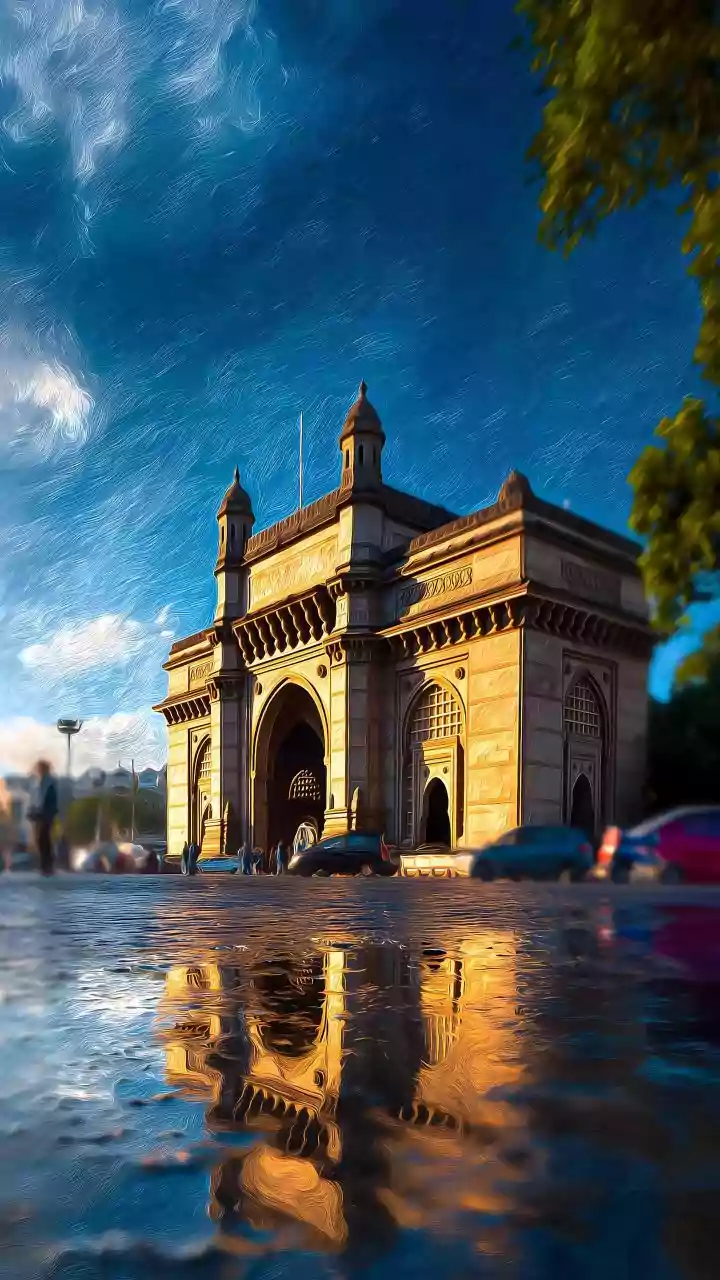
Southeast Asia, the Indian subcontinent, or even parts of the American Southwest in a more authentic, tranquil state. The benefits were obvious: dramatically lower prices on flights and hotels, fewer tourists elbowing for the perfect photo, and landscapes transformed by rain into a vibrant, emerald-green paradise. The weather was part of the charm. A dramatic afternoon downpour could be a welcome, atmospheric break from the heat, a perfect excuse to read a book in a cozy café. It was a trade-off—a little rain for a lot more reward.
When the Weather Turns Radical
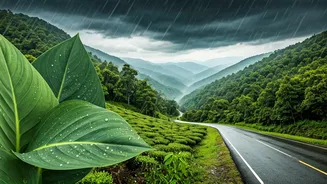
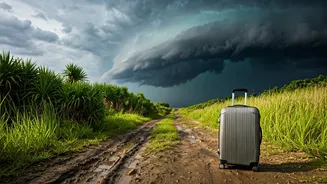
That calculus is rapidly changing. The predictable, life-giving monsoons of the past are becoming dangerously erratic. Climate scientists have warned for years that a warming planet would supercharge weather systems, and for many monsoon-dependent regions, that future is here. Instead of steady, manageable rainfall, destinations are now experiencing what experts call extreme precipitation events: a month’s worth of rain falling in a single day, triggering catastrophic flash floods and landslides. In recent years, India’s Himalayan states like Himachal Pradesh have seen entire roads washed away, leaving thousands of tourists stranded. Parts of Thailand and Vietnam have been hit with unseasonal and unusually intense flooding that overwhelms drainage systems and paralyzes infrastructure. Even in the U.S., the North American monsoon that brings summer rain to Arizona and New Mexico is showing signs of greater volatility, leading to dangerous flash floods in areas scarred by wildfire.
More Than Just Getting Wet
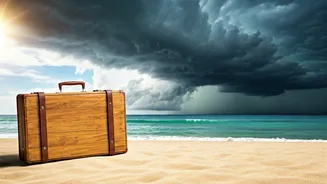
The new risks of monsoon travel go far beyond a canceled beach day or a soggy pair of shoes. The primary danger is infrastructure failure. A single, intense landslide can sever the only road into a remote mountain town, cutting off access to supplies, medical care, and a safe way out for days or even weeks. In 2023, viral videos showed cars, buses, and entire buildings being swept away by raging rivers in northern India, a stark reminder of the kinetic power of these floods. Tourists often find themselves trapped with no electricity, dwindling food supplies, and overwhelmed local emergency services that are focused on saving their own communities. Airports can shut down, trains can be delayed indefinitely, and what was meant to be a relaxing getaway quickly becomes a genuine survival situation. The romantic notion of being “stuck” in a beautiful, rainy place loses its appeal when you’re rationing drinking water.
The New Rules for a New Climate
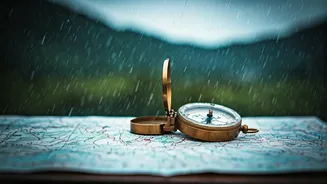
This doesn’t mean monsoon travel is off the table entirely, but it requires a fundamental shift in mindset from carefree to cautious. The era of spontaneous, loosely planned trips to these regions is over. The new checklist for responsible travel starts with deep research. Don't just look at average rainfall for the month; seek out hyper-local, real-time weather alerts and warnings from government meteorological departments. Flexibility is no longer a suggestion—it's a requirement. Build buffer days into your itinerary, and be prepared to change your plans or evacuate at a moment's notice. Most critically, invest in robust travel insurance that specifically covers trip cancellations and interruptions due to natural disasters. Finally, heed local advice. If authorities are warning people to stay away from rivers or avoid mountain roads, listen. The local population understands the landscape and its dangers better than any travel blog.