



Rajasthan's Green Secret
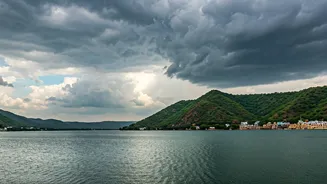
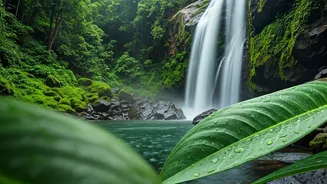
For most Americans, Rajasthan conjures images of sun-baked forts and arid desert landscapes. We picture the golden sands of Jaisalmer or the vibrant, dry heat of Jaipur. But from July to September, a dramatic transformation sweeps through the Aravalli
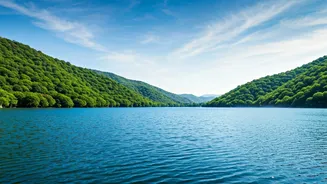
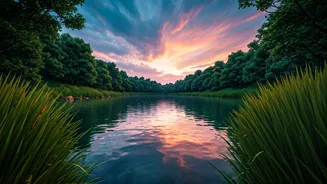
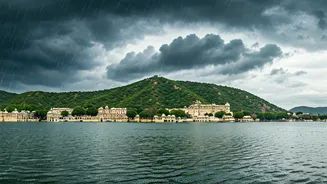
Hills surrounding Udaipur. The monsoon rains arrive, washing the dust from the air and turning the ochre-colored terrain into a carpet of lush, impossible green. The city’s famous network of lakes, which can recede in the searing summer, swell to their full, shimmering glory. This isn’t just a change in weather; it’s a change in the city’s soul. The air becomes cooler, the light softer, and the entire region feels reborn, offering a side of India many tourists never see.
The City of Lakes, Reimagined
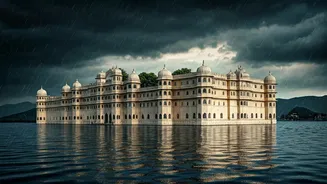
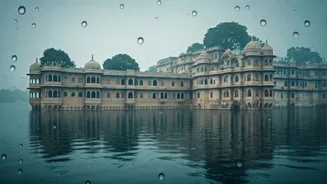
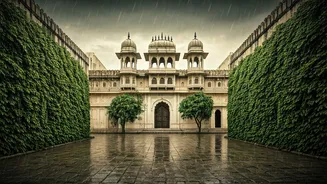
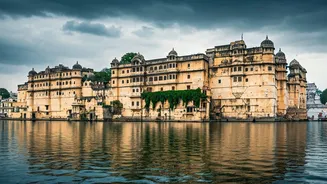
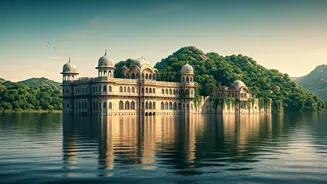
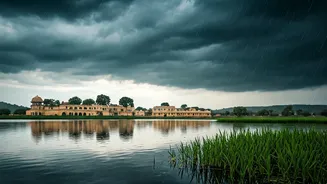
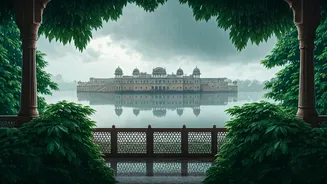
Udaipur’s moniker, “The City of Lakes,” feels most authentic during the monsoon. Lake Pichola, the heart of the city, becomes a vast expanse of water, making the iconic Lake Palace hotel appear to float ethereally on its surface. Boat rides to the Jagmandir island palace, once a summer refuge for royalty, become enchanting journeys across the rain-dimpled water. High above the city, Sajjangarh, aptly nicknamed the Monsoon Palace, offers its true reward. Perched on a hilltop, it was built for maharajas to watch the approaching rain clouds. Today, it provides breathtaking panoramic views of the drenched city and the surrounding emerald hills, with mist and clouds weaving through the valleys below. The City Palace complex itself takes on a different character, its courtyards glistening and its marble facades reflecting the moody, dramatic sky.
A More Romantic, Intimate Pace
While the peak tourist season in Rajasthan is winter (October to March), the monsoon is gaining traction as a coveted “shoulder season.” You’re visiting at a time when the crowds can be thinner than in December, lending a more intimate and relaxed atmosphere to your explorations. The rhythm of the city slows. There’s a certain romance to seeking refuge from a sudden downpour in a cozy rooftop café, sipping hot masala chai while watching the rain fall over the lake. It’s a time for leisurely strolls through winding alleyways, discovering artisan shops, and experiencing the city as a resident might. This season attracts travelers looking for atmosphere over guaranteed sunshine—those who understand that a little rain can add a whole lot of magic.
Why You Need to Plan Now
The secret of monsoon-era Udaipur is getting out. While it’s not yet facing the overwhelming demand of peak season, boutique heritage hotels—the converted havelis with the best lake views—are the first to go. Travelers are increasingly realizing that this is the most beautiful time of year to be in the city, and they are booking further in advance to secure those prime spots. Rooms with a jharokha (an enclosed balcony) overlooking a rain-swept Lake Pichola are in high demand. To get the best choice of accommodations and potentially better flight deals before they climb, planning a few months ahead is no longer just a suggestion; it’s a necessity. The most sought-after experiences, from private guided tours to specific hotel suites, are filling up for the July-September window.
Practical Tips for Monsoon Travel
A monsoon trip requires a little extra planning. Pack lightweight, quick-drying clothes and a reliable rain jacket or umbrella. Sturdy, waterproof footwear with good grip is essential for navigating wet marble and cobblestone streets. While rainfall is frequent, it often comes in heavy bursts rather than all-day drizzles, leaving plenty of time for sightseeing. Be flexible with your itinerary, as a sudden downpour might shift your plans from an outdoor excursion to an afternoon exploring the intricate interiors of the City Palace Museum. Finally, embrace it. The rain is not an inconvenience to be avoided; it’s the main event, the very thing that makes the experience so unique and unforgettable.