



First, Know Thy Craving
That urge for a basket of onion rings when it’s pouring outside isn't just in your head. It’s neurochemical. Rainy, dark days can cause a slight dip in serotonin, the brain's feel-good chemical. In response, our bodies often crave carbohydrates and fatty
foods, which can provide a quick (but temporary) mood boost. This isn’t a personal failing; it's a biological nudge. Recognizing this helps reframe the situation. You’re not just being 'bad'; you're responding to an environmental trigger. The first step in applying 'portion control energy' is understanding that the craving is real, but your response to it is something you can manage. It’s about working with your body’s signals, not fighting a losing battle against them.
The Pre-Meal Appetizer Rule
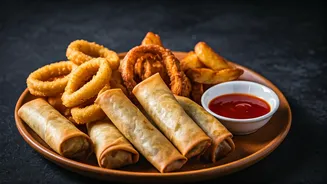
One of the most effective ways to scratch the itch without overdoing it is to change *when* you eat your fried treat. Instead of making a giant plate of french fries your entire lunch, reclassify it as an appetizer. The rule is simple: have a small, deliberate portion of the fried snack you’re craving *before* your actual, balanced meal. A handful of fries, a couple of mozzarella sticks, or a few jalapeño poppers can be surprisingly satisfying when you know a nutritious meal of soup, salad, or a lean protein is coming next. This strategy satisfies the craving head-on but uses the subsequent healthy meal to provide true satiety, preventing you from mindlessly reaching for more and more of the fried stuff.
Upgrade Your Cooking Method
The soul of a fried snack is its crispiness, but deep-frying in oil isn't the only way to get there. This is where modern kitchen gadgets become your best friend. An air fryer is the undisputed champion here, capable of producing a satisfyingly crunchy exterior on everything from potato wedges to chicken wings with a fraction of the oil. Don't have one? A hot oven can work wonders. Tossing vegetables or homemade fries in a tiny bit of oil and roasting them at a high temperature (around 425°F) until golden brown and crispy delivers a similar textural payoff. You get the comforting crunch and warmth you were seeking, but with significantly less fat and fewer calories, making a slightly larger portion feel much more reasonable.
Pair Smart, Don't Pile High
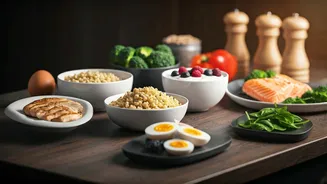
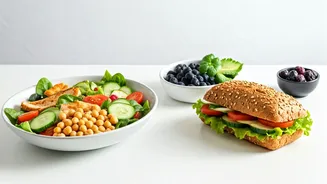
Your plate is a canvas, and composition matters. Instead of a monochromatic mountain of beige, think in terms of balance and contrast. A small serving of a fried item can feel much more special and satisfying when it’s part of a more complex meal. Pair a few crispy shrimp with a large, vibrant salad full of fresh greens, crunchy vegetables, and a zesty vinaigrette. Enjoy a small corn dog alongside a hearty bowl of black bean soup. The contrast in textures and flavors—crispy and soft, rich and fresh—makes the entire eating experience more engaging. This approach shifts the fried food from being the main event to being a delicious supporting actor, allowing you to enjoy it fully without letting it steal the whole show.
Activate Mindful Munching Mode
This is the 'energy' part of the equation—the focused, mental energy you bring to the act of eating. When you finally sit down with your perfectly portioned rainy-day treat, give it the attention it deserves. Put your phone down. Turn off the TV. Focus on the snack. Notice the aroma, the texture of the first bite, the combination of salty, savory flavors. Chew slowly. By engaging all your senses, you increase the satisfaction you get from every single bite. It's amazing how a small portion can feel incredibly decadent and fulfilling when you're not just inhaling it distractedly. You'll often find that you're satisfied with much less food than you thought you needed, simply because you took the time to actually enjoy it.