

So, Where Exactly Is Kasol?
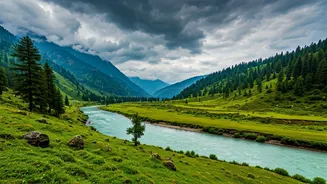
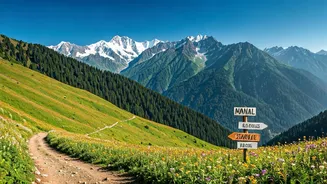
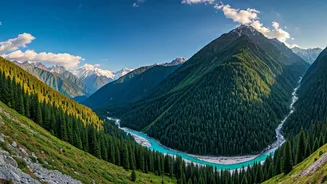
Picture a remote corner of northern India, in the state of Himachal Pradesh. Nestled in the breathtaking Parvati Valley, Kasol is a small but vibrant village that has become a legendary hub for backpackers, trekkers, and seekers from around the globe.
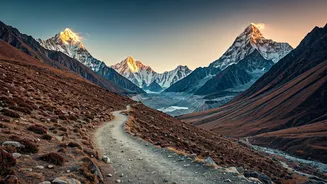
For years, it’s been an open secret on the international traveler circuit, earning the nickname 'Mini-Israel' for its significant population of Israeli visitors and Hebrew-signed cafes. But its appeal goes far beyond that. Think of it as the base camp for exploring one of the most stunning and spiritually resonant landscapes on earth. It’s not a polished resort town; it’s a dusty, energetic, and utterly authentic outpost where the main attractions are the towering peaks, the roaring river, and the feeling that you’re truly off the grid.
The Camping Scene: More Than Just a Tent
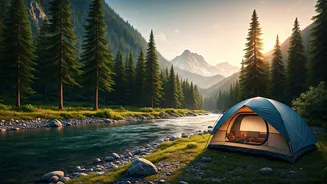
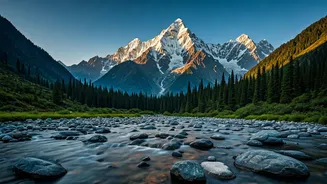
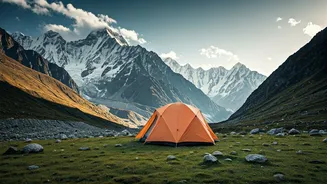
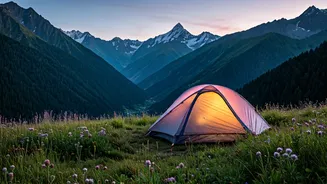
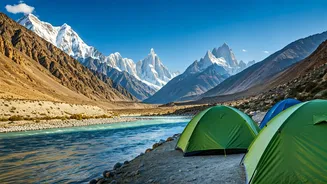
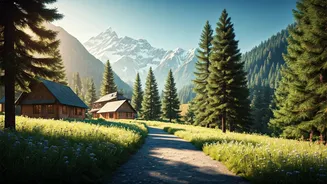
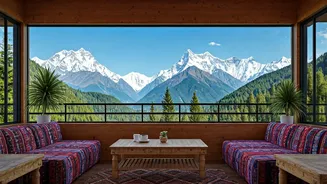
When people talk about camping in Kasol, they aren't talking about pulling an RV into a designated spot with a concrete fire pit. This is a far more immersive experience. The most popular campsites are scattered along the banks of the Parvati River, often just a short walk from the main village. You’ll find everything from basic, bring-your-own-gear sites to pre-pitched tents and even 'glamping' setups with comfortable bedding and attached cafes. The real luxury, however, is the setting. You fall asleep to the sound of the river and wake up with misty, snow-dusted Himalayan peaks filling your view. It's a social affair, too. Evenings are spent around communal bonfires, sharing stories with travelers from dozens of different countries. It’s less about solitary survival and more about connecting with nature and a global community in a place that feels a world away from home.
The Main Event: The Kheerganga Trek
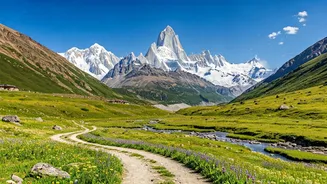
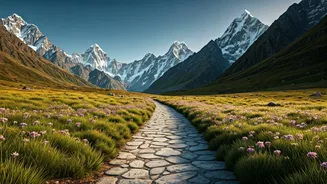
While Kasol is the hub, the legendary Kheerganga trek is the pilgrimage. This is the region’s signature adventure and a primary reason many make the journey here. The trek is a moderately challenging 7- to 8-mile hike that starts from the nearby village of Barshaini and winds through dense forests, past stunning waterfalls, and alongside the thundering river. The reward at the end is spectacular: a meadow at nearly 10,000 feet with panoramic Himalayan views and, most famously, natural hot springs. According to local legend, this is where the Hindu god Shiva meditated for 3,000 years. Soaking in the steaming, sulfur-rich water while gazing at icy peaks is an experience that borders on the surreal. It’s the kind of profound travel moment that makes the long journey to get here entirely worth it.
The Vibe: Beyond the Hippie Cliches
Let’s be real: Kasol has a reputation as a stoner’s paradise, and its bohemian, freewheeling atmosphere is undeniable. But reducing it to just that misses the point. The 'vibe' is a complex blend of cultures. You can start your day with an Israeli breakfast of shakshuka, have a lunch of Tibetan momos, and finish with a classic North Indian dinner, all on the same street. The village is filled with quirky cafes playing psychedelic trance music next to bakeries selling fresh apple crumble. It’s a place that encourages you to slow down. There's no rush, no itinerary to strictly follow. The plan is simply to be—to read a book by the river, take a spontaneous walk to a neighboring village like Chalal, or just sit and absorb the immense scale of the mountains around you. It attracts a self-selecting crowd that values experience over luxury and connection over convenience.
An American Traveler’s Primer
Intrigued? Getting to Kasol from the U.S. is an adventure in itself. You'll likely fly into New Delhi (DEL), and from there, it’s an overnight bus journey (around 12-14 hours) to the town of Bhuntar, followed by a short taxi ride into the valley. A valid visa for India is required for U.S. citizens. The best time to visit is during the spring and summer months, from March to June, when the weather is pleasant and the trails are clear. The monsoon season (July to early September) brings heavy rain and potential landslides, so it's best avoided. While English is widely spoken in the tourist areas, connectivity can be spotty. This isn’t a trip for the faint of heart, but for the American traveler looking for a truly transformative mountain escape, Kasol delivers an experience that’s raw, profound, and unforgettable.