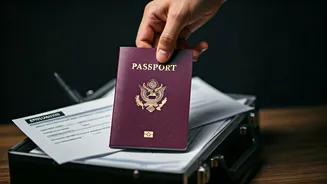







The Post-Pandemic Scramble for Schengen
The Schengen Area, a zone of 29 European countries that have abolished internal border controls, is a massive draw for global tourists. For travelers from countries like India, a single Schengen visa grants access to a continent’s worth of attractions,
from the Eiffel Tower to the Roman Colosseum. After years of pandemic-induced restrictions, demand from India’s large and increasingly affluent middle class has exploded. In 2023, Indian applicants for Schengen visas surged past pre-pandemic levels, making India the second-largest source of applications worldwide, just behind China. However, this enthusiasm is being met with a frustrating reality. While Europe desperately wants to welcome back high-spending tourists, its consular infrastructure is struggling to keep up. The result? Long waits for appointments, intense scrutiny of applications, and alarmingly high rejection rates from certain embassies.
The Rejection Hotspots
Not all Schengen countries are created equal when it comes to visa processing. Data and anecdotal evidence shared across social media and travel forums show a clear pattern. Small but popular tourist destinations have emerged as the toughest gatekeepers. Malta, for instance, has gained notoriety for its sky-high rejection rates for Indian applicants, which have reportedly been as high as 45% in recent years. Other countries like Estonia, Slovenia, and Belgium have also shown significantly higher refusal rates than the Schengen average. On the flip side, larger nations with more robust consular networks tend to be a safer bet. Germany, Switzerland, and Luxembourg generally have much lower rejection rates. This disparity has given rise to a phenomenon known as 'visa shopping,' where travelers meticulously plan their application strategy based not on their primary destination, but on the consulate most likely to grant them a visa.
So, Why All the Rejections?
There isn't a single culprit, but rather a perfect storm of factors. First is the sheer volume. Consulates that were operating with skeleton crews during the pandemic are now inundated with applications, leading to overworked staff and less time for thorough reviews. Second, there's a heightened fear of 'overstay risk.' Consular officers are trained to look for reasons to believe an applicant might not return to their home country. An incomplete hotel booking, a bank statement that looks slightly off, or a perceived lack of strong ties to home (like a stable job or family) can be enough for a denial. Common reasons cited in rejection letters include “justification for the purpose and conditions of the intended stay was not reliable” and “intention to leave the territory of the Member States before the expiry of the visa could not be ascertained.” These vague justifications leave many applicants frustrated and confused.
Gaming the System: The 'Easy' Visa Strategy
In response, a cottage industry of advice has sprung up. Travelers are advised to apply to consulates like Germany or Switzerland, even if their main destination is France or Italy. The logic is simple: get the visa first, then finalize the itinerary. However, this strategy comes with its own risks. Schengen rules technically require you to apply to the country that is your main destination or, if your trip is split equally, your first port of entry. Showing up in Rome with a visa issued by the German consulate for a trip that only includes Italy can raise red flags at immigration. While many get away with it, border officials have the authority to question travelers and, in rare cases, even cancel visas and deny entry if they suspect 'visa fraud.' It's a gamble that many, desperate to salvage their dream trip and non-refundable bookings, are willing to take.