




The Low-Fat Lie We All Believed
Cast your mind back to the '80s and '90s. Supermarket aisles were a sea of “low-fat,” “reduced-fat,” and “fat-free” labels. We were told that to lose weight, we had to wage war on dietary fat. We swapped butter for margarine, whole milk for skim, and dutifully
ate dry salads and skinless chicken breasts. The problem? It was miserable. When food manufacturers removed fat, they often replaced it with sugar, salt, and refined carbohydrates to make it palatable. The result was a generation of foods that didn't keep us full, leading to nagging hunger, cravings, and an eventual binge that undid all our hard work. This approach fundamentally misunderstood how our bodies work, treating all calories as equal and ignoring the crucial role of satiety.
Why Fat Is Your Friend, Not Your Foe
The primary reason fat makes dieting less miserable is a simple, biological one: satiety. Unlike carbohydrates, which can be digested relatively quickly, fat slows down stomach emptying. This means food stays with you longer, leading to a prolonged feeling of fullness and satisfaction. Eating a meal with healthy fats helps stabilize blood sugar, preventing the sharp spikes and subsequent crashes that trigger hunger and irritability. Furthermore, fat is essential for the absorption of fat-soluble vitamins—A, D, E, and K—which are vital for everything from immune function to bone health. A diet devoid of fat isn't just unsatisfying; it's nutritionally incomplete. And let's be honest: fat tastes good. It provides a rich flavor and creamy texture that makes food enjoyable, a critical component of any eating plan you hope to stick with for more than a week.
Meet the 'Natural' Fats to Embrace
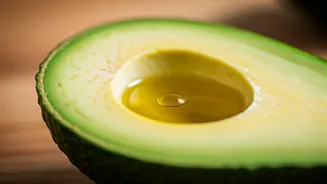
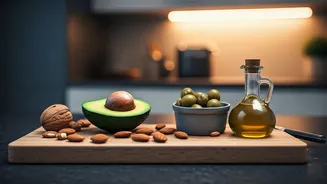
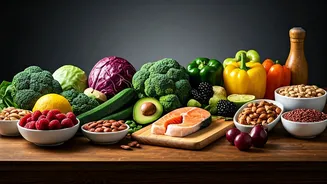
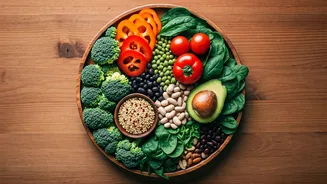
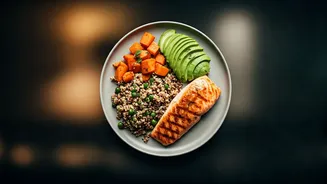
Not all fats are created equal. The key is to focus on “natural,” unprocessed sources of monounsaturated and polyunsaturated fats. These are the nutritional powerhouses that deliver health benefits alongside flavor. Think of foods like avocados, which are packed with monounsaturated fats and fiber. Nuts and seeds—almonds, walnuts, chia seeds, flaxseeds—offer a powerful combination of fats, protein, and fiber. Olive oil, particularly extra-virgin, is a cornerstone of the famously healthy Mediterranean diet. And don't forget fatty fish like salmon, mackerel, and sardines, which are rich in omega-3 fatty acids, known for their anti-inflammatory properties. These are the fats that support heart health, brain function, and a stable appetite. The fats to continue limiting are artificial trans fats (found in many processed snacks and fried foods) and, for some, excessive amounts of saturated fats from processed meats and commercial baked goods.
Putting Fat to Work in Your Diet
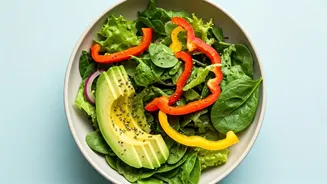
Incorporating healthy fats doesn’t mean drenching everything in oil or eating endless tubs of guacamole. It’s about strategic, mindful additions that enhance meals and snacks. Instead of a plain piece of toast, add a quarter of a sliced avocado. Rather than a fat-free dressing, make your own vinaigrette with a base of extra-virgin olive oil. A small handful of almonds or walnuts can be a powerful afternoon snack that staves off the 3 p.m. slump far better than a bag of pretzels. When you have a salad for lunch, tossing in some sunflower seeds or a sprinkle of goat cheese not only adds flavor but helps your body absorb the nutrients from the vegetables. The goal is to make fat an integrated part of a balanced plate that also includes lean protein, fiber-rich vegetables, and complex carbohydrates.
It’s About Balance, Not a Blank Check
While healthy fats are beneficial, it's important to remember they are calorie-dense. A single gram of fat contains nine calories, compared to four for protein and carbohydrates. This isn’t a reason to fear them, but a reminder that portion control remains essential. The shift in thinking is away from *avoidance* and toward *strategic inclusion*. A diet that makes you feel full, satisfied, and energized is one you can sustain. The misery of old-school weight-loss plans came from deprivation. A modern, effective approach focuses on addition: adding nutrient-dense, satisfying foods that work with your body’s natural hunger cues, not against them. Fat is a powerful tool in that arsenal, helping you build a healthier relationship with food and making the entire process feel less like a punishment and more like a positive lifestyle change.