




What Are the Western Ghats?
Before we climb, let’s get our bearings. The Western Ghats, also known as the Sahyadri mountain range, are a UNESCO World Heritage Site running parallel to the western coast of the Indian peninsula. This incredible biodiversity hotspot is older than the Himalayas.
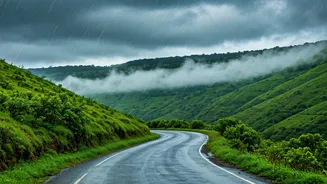
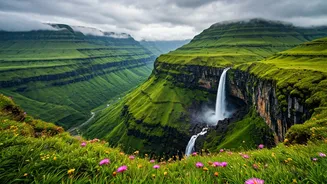
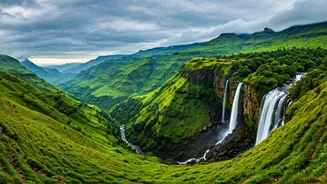
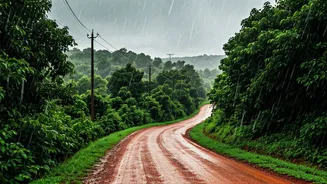
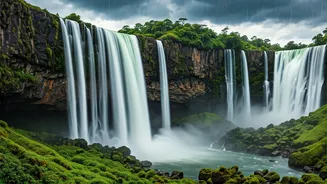
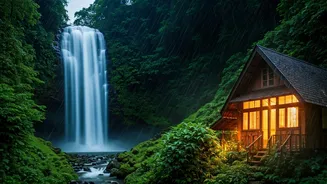
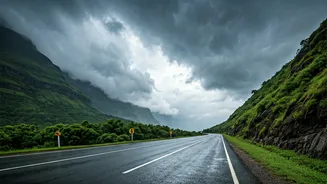
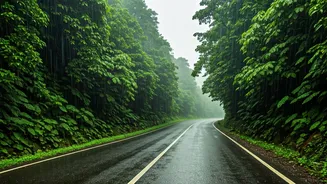
During the monsoon (roughly June to September), the entire landscape transforms. Dry, brown hills erupt into a carpet of fluorescent green, waterfalls cascade down sheer cliffs, and a thick, moody fog blankets everything, creating an atmosphere that is both mystical and deeply serene.
The Goal: Lohagad Fort, the Iron Fortress
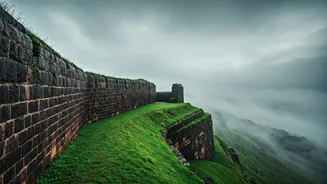
Easily accessible from the popular hill stations of Lonavala and Khandala, Lohagad is the perfect introduction to monsoon trekking. Its name means “Iron Fort,” and its history stretches back over 2,000 years. The trek is relatively easy, with well-laid stone steps leading you up. As you ascend, the fog thickens, and the fort’s massive gates and ramparts appear like ghosts from the past. The highlight is a long, narrow ridge called Vinchu Kata, or “Scorpion’s Tail.” Walking along it with clouds swirling beneath your feet is an experience that feels like floating through history.
The Goal: Rajgad Fort, the Royal Capital
For those seeking a more challenging adventure, Rajgad is the ultimate prize. This was the capital of the Maratha Empire under the legendary king Shivaji for nearly 25 years. The trek is demanding, but the reward is immense. The fort complex is vast, spread across three plateaus (or “machees”) and a towering central citadel. Exploring its ruined palaces, temples, and water cisterns while enveloped in fog is profoundly atmospheric. You can almost hear the echoes of a bygone kingdom. Many trekkers camp overnight here to witness the surreal beauty of a foggy sunrise over the Sahyadris.
The Goal: Sinhagad Fort, the Lion's Fortress
Steeped in tales of valor, Sinhagad (“Lion’s Fort”) is one of the most historically significant and popular forts near the city of Pune. While you can drive most of the way up, the real joy is hiking the trail and watching the city lights disappear into the mist below. The fort is famous for the legendary Battle of Sinhagad in 1670. Today, its sturdy stone walls offer panoramic (though often fog-shrouded) views. Local vendors sell delicious, rustic snacks like pithla bhakri (a chickpea flour curry with flatbread) and hot chai, making it the perfect reward after a misty climb.
The Goal: Harishchandragad Fort, the Dramatic Giant
This one is for the seasoned trekker. Harishchandragad is a massive, ancient hill fort known for its rugged terrain and breathtaking geological formations. The main attraction is the Konkan Kada, a huge, semi-circular cliff that drops thousands of feet into the valley below. During the monsoon, this cliff creates a spectacular phenomenon where strong winds throw the clouds back up over the edge, creating a vertical cloudburst. Standing there, surrounded by a maelstrom of fog and wind, feels like being on the edge of the world. The fort also features ancient caves and a beautifully carved temple, adding a layer of deep history to the raw, natural drama.