



The Furnace of the Plains
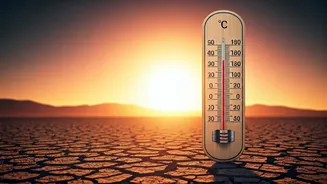
Imagine a heatwave that doesn't just last a few days, but for weeks on end. In major Indian metropolises like Delhi, Mumbai, and Kolkata, this is no longer a hypothetical. Summers are becoming dangerously hot, with temperatures frequently pushing past
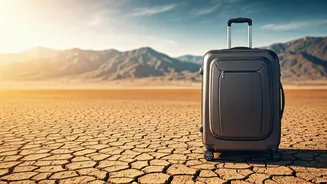
110°F (43°C) and sometimes touching 120°F (49°C). These are not just uncomfortable numbers; they are a public health crisis. The searing heat, combined with high humidity and urban heat island effects—where concrete and asphalt trap warmth—makes life in the city a grueling endurance test. For the hundreds of millions living on the Indian plains, the annual summer season has transformed from a seasonal annoyance into a period of genuine climatic distress, driving a desperate search for relief.
The Call of the Mountains
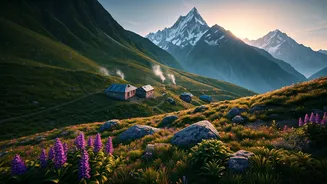
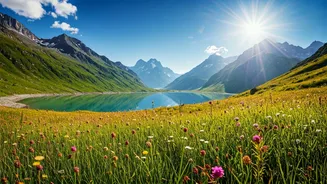
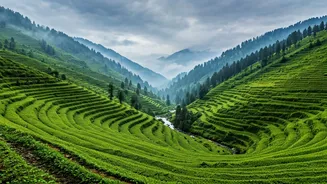
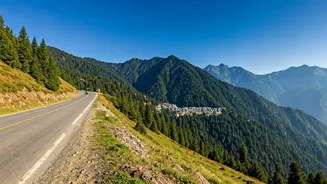
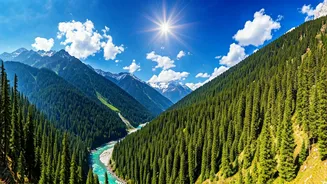
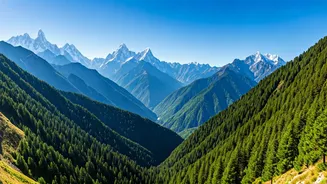
The antidote to this oppressive heat lies just to the north: the Himalayas. States like Himachal Pradesh, Uttarakhand, and Kashmir offer a powerful allure—cool, pine-scented air, breathtaking views of snow-capped peaks, and temperatures that can be 20-30 degrees Fahrenheit cooler than the plains below. For generations, these mountain retreats, many of which were established as “hill stations” by the British during colonial rule to escape the summer heat, were the exclusive domain of the wealthy. Places like Shimla, Manali, and Mussoorie were seen as tranquil, remote getaways. Today, they have become the primary release valve for an entire nation overheating.
A New Kind of Rush Hour
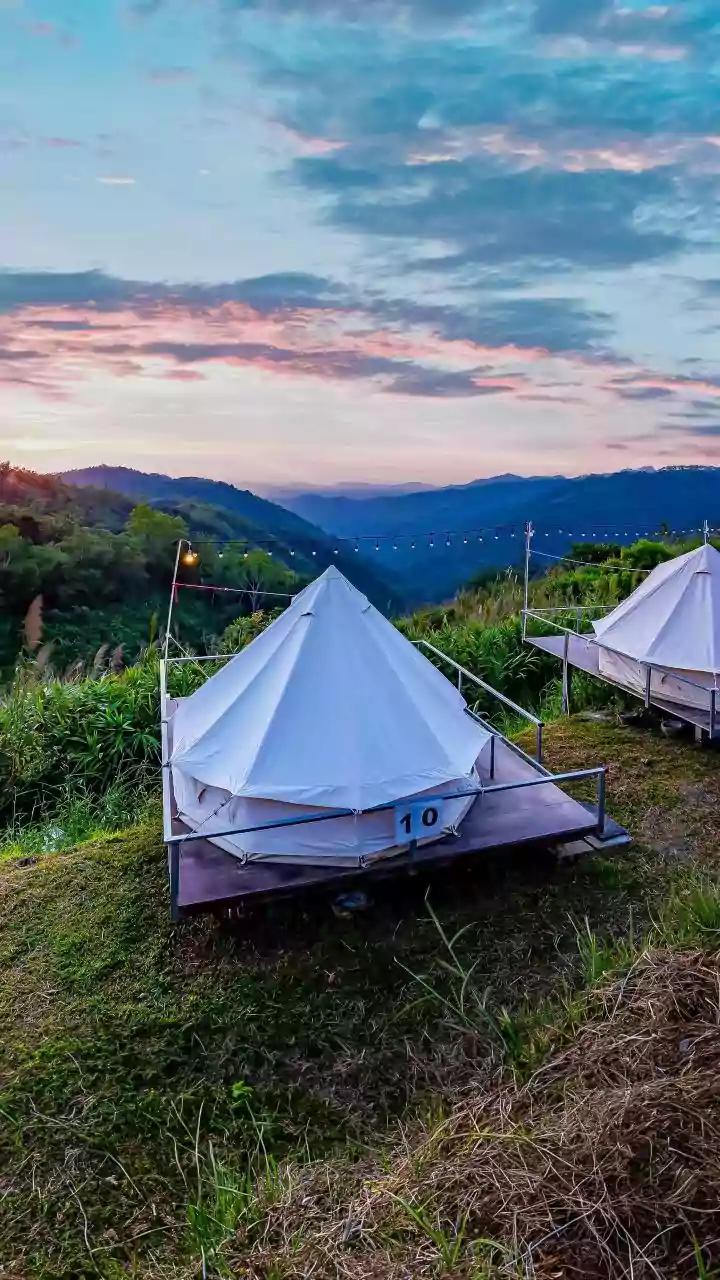
What has changed is not the appeal of the mountains, but the ability of ordinary Indians to reach them. The last two decades have seen a dramatic expansion of India's middle class, with more disposable income and aspirations for leisure and travel. Simultaneously, massive infrastructure projects have improved road and rail connectivity, turning what was once a multi-day expedition into a manageable overnight drive for millions. The rise of social media has amplified the trend, with Instagram and Facebook feeds flooded with images of friends enjoying waterfalls and mountain cafes while the rest of the country swelters. Travel companies and booking platforms have capitalized on this, offering affordable “Himalayan escape” packages that are now a staple of summer for families, young professionals, and solo travelers alike. This convergence of climate pressure, economic growth, and digital culture has turned the seasonal trickle into a torrent.
Paradise Under Pressure
But this mass exodus to the mountains is not without serious consequences. The very places people are fleeing to for peace and purity are now groaning under the strain. Himalayan towns, built for small populations, are choked with traffic. Hours-long jams on narrow mountain roads are common. Water sources are being depleted at an alarming rate to serve the influx of tourists, sometimes leading to shortages for local residents. Towering piles of plastic waste blight scenic vistas, and the fragile alpine ecosystem is under unprecedented threat. This boom in tourism is a double-edged sword for the mountain states: it provides a vital economic lifeline but also threatens to destroy the very environment that makes them attractive. The search for a personal escape is creating a collective environmental challenge, turning these once-serene havens into crowded, stressed hotspots.